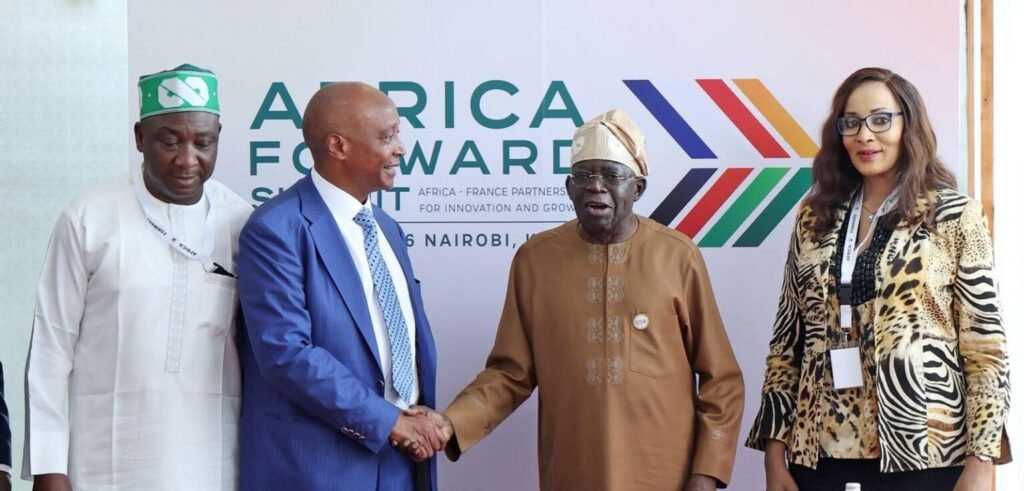
The President of the Confederation of African Football, Patrice Motsepe, on Tuesday held a bilateral meeting with President Bola Ahmed Tinubu during the ongoing Africa Forward Summit in Nairobi, Kenya.
The meeting brought together two influential figures within African leadership and sports development as discussions at the summit continue focusing on economic growth, regional cooperation, youth empowerment, and the future of Africa’s development.
The engagement also highlights the increasing role sports diplomacy now plays in strengthening continental partnerships and international visibility.
Why the Meeting Matters
Football remains Africa’s biggest sport.
Across the continent, football continues influencing youth development, economic activities, tourism, entertainment, and social unity. Therefore, meetings involving African political leaders and football administrators often attract significant attention.
The presence of Patrice Motsepe at the summit reflects the growing intersection between sports, governance, and economic development within Africa.
Sports increasingly contribute to national branding and investment attraction.
Tinubu’s Growing Continental Engagement
President Bola Ahmed Tinubu has continued expanding Nigeria’s participation in continental affairs through strategic engagements and international summits.
As Africa’s most populous nation, Nigeria remains an influential player within regional politics, economic diplomacy, and sports development. Therefore, high-level bilateral meetings during the Africa Forward Summit further reinforce Nigeria’s active role in shaping conversations around the continent’s future.
Diplomatic engagement also strengthens international cooperation.
Patrice Motsepe’s Influence in African Football
Patrice Motsepe remains one of Africa’s most influential sports administrators and business leaders.
Since becoming president of the Confederation of African Football, he has emphasized football development, infrastructure investment, financial reforms, and stronger global competitiveness for African football.
Under his leadership, African football continues pursuing greater commercial growth and international recognition.
Football development also creates opportunities for young Africans.
Sports as a Tool for Development
Sports contribute significantly to economic and social development.
Football generates employment opportunities, supports tourism, encourages youth participation, and strengthens national unity across many African countries. Therefore, sports administration increasingly overlaps with broader development conversations.
Many governments now view sports as an important economic sector.
Investments in stadiums, academies, leagues, and grassroots football can stimulate local economies and improve youth engagement.
Africa Forward Summit Continues Drawing Attention
The Africa Forward Summit continues bringing together influential leaders from politics, business, sports, and international development sectors.
Co-hosted by Kenyan President William Ruto and French President Emmanuel Macron, the summit focuses on issues involving investment, technology, regional integration, security, climate resilience, and sustainable growth.
High-level bilateral meetings remain important components of such gatherings.
Leaders often use these opportunities to strengthen diplomatic and strategic partnerships.
Nigeria’s Football Influence in Africa
Nigeria continues holding a major position within African football.
The country possesses one of the continent’s largest football fan bases and has produced internationally recognized players, clubs, and football achievements over the years. Therefore, discussions involving Nigeria and the Confederation of African Football naturally attract widespread interest.
Football remains deeply connected to Nigerian culture and national identity.
Youth participation in sports also continues growing nationwide.
Potential Areas of Discussion
Although details of the bilateral talks were not immediately disclosed, discussions may have involved football development, youth empowerment, sports infrastructure, and broader African cooperation initiatives.
Sports diplomacy often extends beyond football itself.
Conversations involving continental leaders and sports officials may also address education, employment, investment opportunities, and regional integration through sports programmes.
The Growing Power of Sports Diplomacy
Sports diplomacy continues gaining global importance.
Football tournaments and international sporting events increasingly influence diplomatic relationships, tourism promotion, and cultural exchange. Therefore, African leaders are paying greater attention to sports as a strategic development tool.
Africa’s youthful population also makes sports development increasingly relevant.
Conclusion: Strengthening Africa Through Leadership and Sports
The bilateral meeting between Patrice Motsepe and President Bola Ahmed Tinubu during the Africa Forward Summit in Nairobi reflects the growing relationship between sports leadership and continental development efforts.
As Africa continues pursuing economic growth, youth empowerment, and stronger global influence, football and sports diplomacy are expected to remain important tools for unity, opportunity, and international engagement.
Ultimately, collaboration between political and sports leaders may continue shaping new opportunities for development across Nigeria and the wider African continent.
About The Author