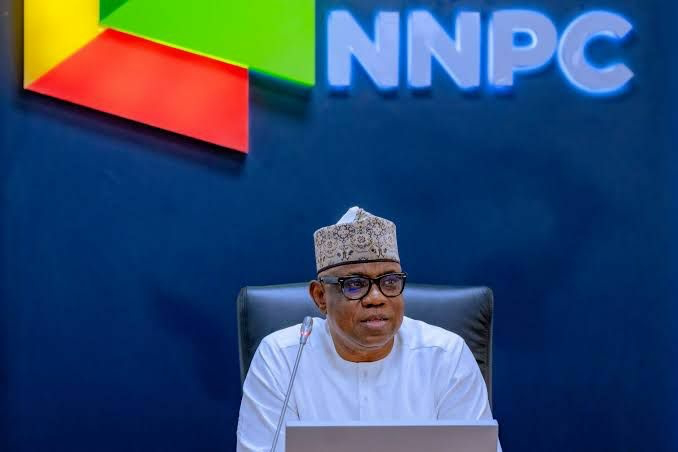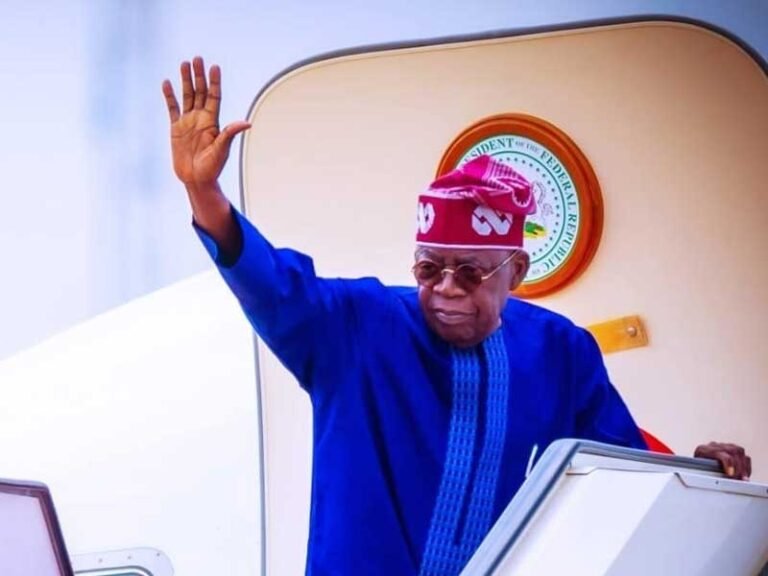
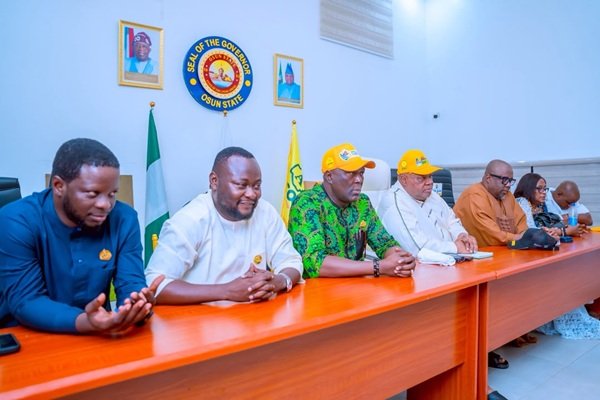
Nigeria’s political landscape witnessed another significant development as Osun State Governor Ademola Adeleke and the national leadership of the Accord Party officially adopted President Bola Ahmed Tinubu as their preferred candidate for the 2027 presidential election, a move already generating widespread discussion across the country.
The endorsement represents one of the earliest major political declarations ahead of the next general election and highlights the growing conversations surrounding political alliances, governance continuity, and national development.
Furthermore, supporters of the endorsement described the decision as a demonstration of confidence in President Tinubu’s leadership and his administration’s ongoing economic, infrastructure, and institutional reforms.
According to leaders involved in the announcement, the decision followed consultations on Nigeria’s political direction, economic priorities, and the importance of sustaining policies they believe are capable of strengthening long-term national development.
The development has attracted attention because it brings together influential political figures from different backgrounds while reinforcing discussions about emerging alliances before the 2027 elections.
A Significant Political Development
The endorsement of President Tinubu by Governor Ademola Adeleke and the Accord Party leadership immediately became one of the country’s most discussed political developments.
Furthermore, political endorsements often shape public conversations because they reveal the evolving positions of influential political stakeholders ahead of future elections.
Political alliances influence national conversations.
Observers believe such declarations may encourage further consultations among political parties, interest groups, community leaders, and other stakeholders as preparations gradually intensify for the next electoral cycle.
Support Based on Governance Priorities
Leaders supporting the endorsement explained that their decision reflects confidence in the administration’s governance agenda.
Furthermore, they argued that continuity in leadership could provide opportunities for ongoing reforms and development initiatives to mature while delivering broader economic and social benefits.
Development remains a key consideration.
Supporters maintained that sustained implementation of long-term policies often produces greater stability than frequent policy reversals, particularly in areas involving infrastructure, economic planning, investment, and institutional reforms.
Strengthening Political Cooperation
The endorsement also highlights increasing political cooperation among leaders seeking common national objectives.
Furthermore, collaboration between political actors frequently creates opportunities for broader dialogue on governance, development priorities, and national unity.
Cooperation strengthens democratic engagement.
Political observers note that alliances remain common features of democratic systems because they allow leaders to pursue shared policy goals while building wider political consensus.
Focus on National Development
Those backing President Tinubu emphasised national development as one of the major motivations behind their decision.
Furthermore, they pointed to ongoing efforts involving infrastructure development, economic reforms, investment promotion, digital transformation, agriculture, and institutional strengthening.
Development drives political support.
According to supporters, governments should ultimately be evaluated based on their capacity to improve citizens’ lives through practical and measurable outcomes.
Early Conversations Ahead of 2027
Although the next presidential election remains some time away, political discussions continue gathering momentum across Nigeria.
Furthermore, political parties, elected officials, civic organisations, and public commentators have increasingly begun discussing possible alignments ahead of the official election timetable.
Democracy encourages political participation.
The endorsement therefore contributes to the growing national conversation surrounding governance, leadership, and the country’s future political direction.
Formal electoral activities, however, remain subject to the timetable established by the Independent National Electoral Commission.
Economic Stability Remains Important
Supporters also highlighted economic stability as an important national objective.
Furthermore, they argued that sustained reforms require time before producing their full economic benefits across different sectors of the economy.
Stable policies encourage investment.
Long-term policy consistency frequently strengthens investor confidence while supporting employment creation, industrial development, and economic diversification.
According to supporters, continuity may therefore contribute positively to broader national growth objectives.
Building Broader National Consensus
Political endorsements often serve purposes beyond electoral campaigns.
Furthermore, they provide opportunities for leaders to build broader consensus around governance priorities while encouraging constructive national dialogue.
Consensus promotes stability.
Supporters expressed hope that political engagement ahead of future elections would remain peaceful, issue-based, and focused primarily on improving the welfare of Nigerian citizens.
They encouraged continued respect for democratic institutions throughout the political process.
Citizens Continue Monitoring Performance
Despite growing political activity, many Nigerians continue focusing primarily on governance outcomes.
Furthermore, issues such as security, infrastructure, education, healthcare, employment, agriculture, electricity, transportation, and economic opportunities remain central concerns for citizens nationwide.
Performance shapes public confidence.
Political analysts therefore believe that future electoral choices will continue reflecting public assessments of government performance across multiple sectors.
Democracy Thrives Through Choice
Nigeria’s democratic system allows political leaders, parties, and citizens to express support for candidates through lawful democratic processes.
Furthermore, endorsements remain recognised features of democratic participation while allowing stakeholders to communicate their preferred political direction.
Democracy values peaceful engagement.
Observers continue encouraging respectful political discourse capable of strengthening democratic institutions while promoting peaceful elections across the country.
Looking Ahead
The decision by Governor Ademola Adeleke and the national leadership of the Accord Party to adopt President Bola Ahmed Tinubu as their preferred candidate for the 2027 presidential election marks another notable development within Nigeria’s evolving political landscape.
Furthermore, supporters believe the endorsement reflects confidence in ongoing governance priorities while emphasising the importance of continuity, development, institutional stability, and national progress.
As political discussions continue expanding ahead of the next general election, Nigerians are expected to closely monitor developments across the political spectrum while evaluating competing visions for the country’s future. Ultimately, the democratic process will continue providing citizens with opportunities to assess leadership performance, examine policy proposals, and participate peacefully in shaping Nigeria’s political and developmental journey through lawful, transparent, and credible elections.
About The Author