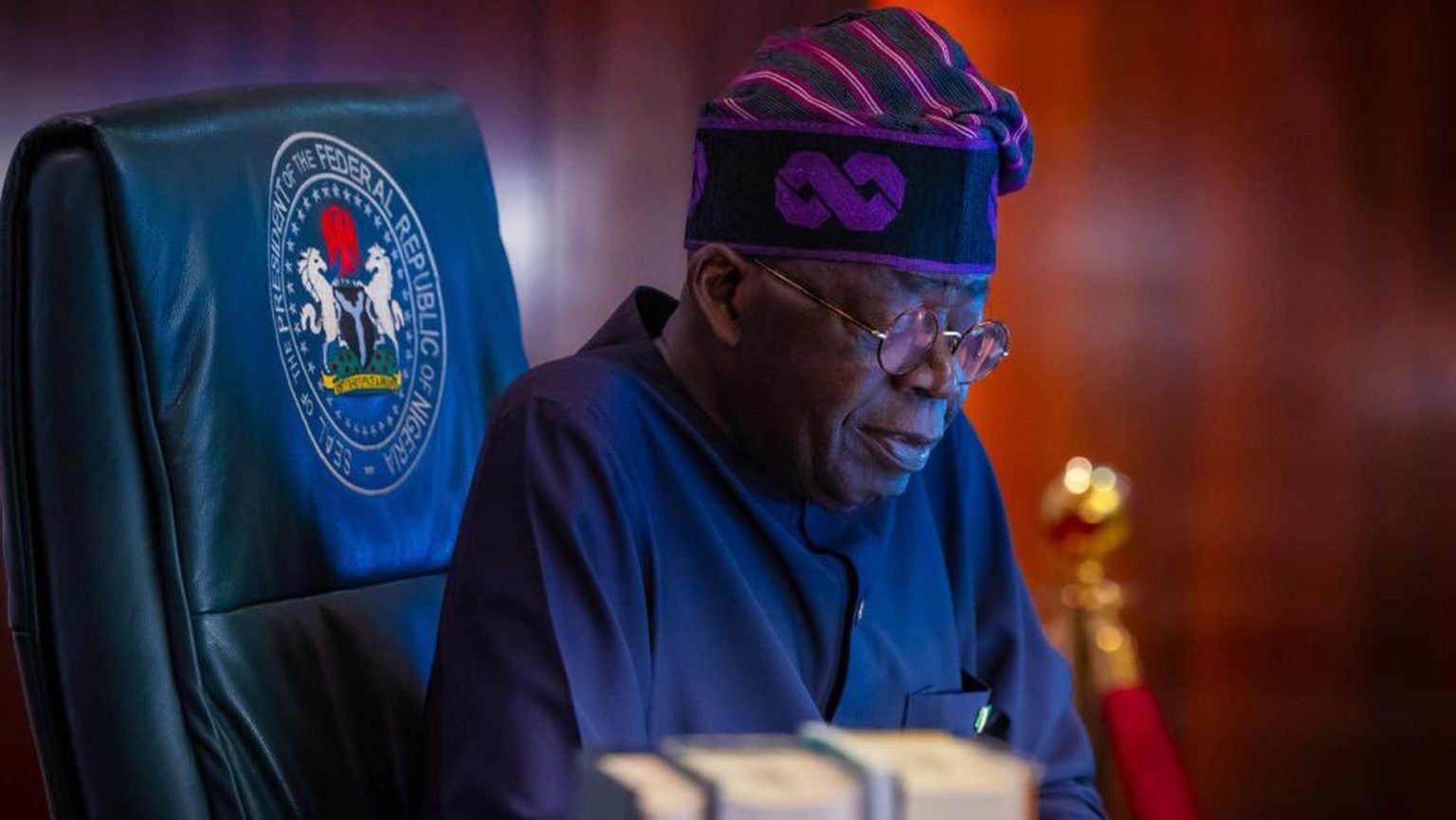
The Presidency has defended President Bola Ahmed Tinubu following criticism from the African Democratic Congress (ADC) over his remarks concerning the party’s recent national convention.
The response underscores the administration’s readiness to address political reactions and clarify its position within Nigeria’s evolving political landscape.
Context of the Dispute
The controversy arose after comments attributed to President Bola Ahmed Tinubu regarding the ADC’s convention.
Leaders of the African Democratic Congress interpreted the remarks as critical, prompting a public response from the party.
In turn, the Presidency moved quickly to defend the President’s position and provide context to his statements.
Presidency Emphasizes Political Expression
According to the Presidency, the remarks fall within the scope of legitimate political discourse.
Political leaders often comment on party developments, especially in a competitive democratic environment.
By defending the President, officials highlighted the importance of open expression and engagement among political actors.
This perspective reinforces the idea that robust debate remains a core feature of democracy.
Balancing Criticism and Democratic Engagement
The exchange between the Presidency and the African Democratic Congress reflects the dynamic nature of Nigeria’s political space.
Criticism and response form part of the democratic process.
While parties may disagree, such interactions contribute to accountability and transparency.
The Presidency’s reaction suggests an effort to maintain balance while asserting its viewpoint.
Political Significance Ahead of 2027
As the 2027 general elections approach, political rhetoric continues to intensify.
Statements, responses, and counter-responses shape public perception and party positioning.
The current exchange highlights how narratives are being formed ahead of the electoral cycle.
For President Bola Ahmed Tinubu, defending his remarks also reinforces his administration’s communication strategy.
Maintaining Institutional Stability
Despite the disagreement, both sides operate within established democratic frameworks.
The Presidency’s response aims to reassure stakeholders that political differences do not undermine institutional stability.
Such reassurance remains important in maintaining confidence in governance structures across Nigeria.
Looking Ahead
As political activities intensify, similar exchanges are likely to continue.
Stakeholders will watch how parties manage disagreements while maintaining decorum.
Constructive engagement will remain essential for healthy democratic development.
Conclusion: A Reflection of Democratic Dynamics
The Presidency’s defense of President Bola Ahmed Tinubu highlights the realities of active political engagement.
Disagreements, responses, and clarifications form part of the process.
Ultimately, such interactions reflect the vibrancy of democracy in Nigeria, where dialogue and debate continue to shape the political landscape.
About The Author