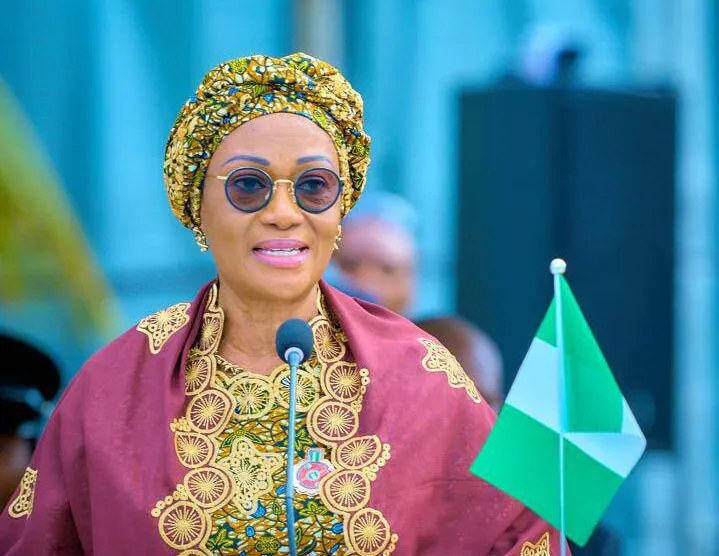
Nigeria’s First Lady, Senator Oluremi Tinubu, has continued to leverage her public platform to promote women’s empowerment, youth development, and grassroots engagement, reinforcing initiatives aimed at improving livelihoods, encouraging civic participation, and supporting inclusive national development as political activities gradually gather momentum ahead of the 2027 general elections.
Through various programmes, community engagements, advocacy campaigns, and the Renewed Hope Initiative, the First Lady has consistently focused on expanding opportunities for women, supporting vulnerable groups, promoting education, encouraging entrepreneurship, and empowering young Nigerians with the skills and confidence needed to contribute meaningfully to national development.
Furthermore, her engagements have increasingly emphasised the importance of community participation, social inclusion, and collaborative development, recognising that sustainable progress depends on the active involvement of citizens at the grassroots level.
Supporters have described the First Lady’s approach as one that combines social intervention with long-term capacity building, particularly through initiatives that encourage economic independence, education, healthcare access, environmental sustainability, and youth participation.
Empowering Women Across Communities
Women remain central to many of the First Lady’s programmes.
Furthermore, initiatives supporting female entrepreneurs, small business owners, community groups, and vulnerable women continue to expand opportunities for economic participation.
Economic empowerment strengthens families.
Empowered women contribute significantly to national development.
Opportunity promotes independence.
Supporting Nigerian Youths
Youth engagement has remained another important priority.
Furthermore, the First Lady has encouraged young Nigerians to embrace education, innovation, entrepreneurship, leadership, and responsible citizenship as pathways toward lasting success.
Young people shape the future.
Investment in youth strengthens national progress.
Skills create opportunity.
Strengthening Grassroots Participation
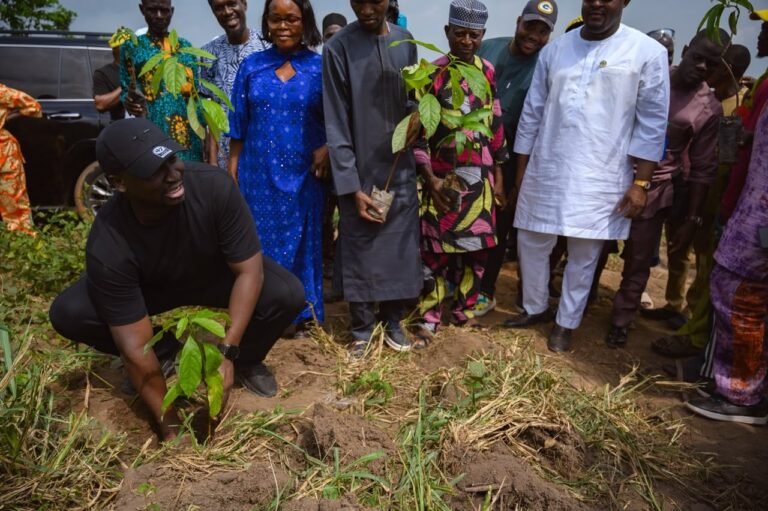
Community engagement remains a major component of her outreach.
Furthermore, grassroots participation encourages citizens to become active partners in development while strengthening local ownership of government initiatives.
Communities drive development.
Inclusive participation improves programme effectiveness.
Local engagement builds trust.
Promoting Social Development
Many of the First Lady’s interventions extend beyond economic empowerment.
Furthermore, healthcare, education, environmental sustainability, nutrition, and social welfare continue receiving significant attention through various programmes.
Development requires inclusion.
Healthy communities support stronger economies.
Social investment delivers lasting benefits.
Encouraging National Unity
Senator Oluremi Tinubu has consistently emphasised unity and collaboration.
Furthermore, her engagements across different states encourage cooperation among communities while promoting shared national aspirations.
Unity strengthens progress.
Collaboration creates stronger societies.
Shared purpose encourages development.
Building Sustainable Opportunities
Rather than focusing only on short-term assistance, many initiatives encourage long-term capacity building.
Furthermore, education, vocational training, financial support, and entrepreneurship programmes help beneficiaries become more self-reliant.
Sustainability creates resilience.
Long-term investment strengthens communities.
Growth requires preparation.
Expanding Civic Engagement
Grassroots mobilisation also promotes greater civic participation.
Furthermore, increased public engagement encourages citizens to contribute positively to community development while participating actively in democratic processes.
Participation strengthens democracy.
Responsible citizenship supports national stability.
Engagement builds confidence.
Looking Ahead
Senator Oluremi Tinubu continued focus on women’s empowerment, youth development, and grassroots engagement highlights the growing importance of community-centred initiatives in supporting Nigeria’s long-term development goals. Furthermore, her programmes continue creating opportunities for economic empowerment, education, healthcare, entrepreneurship, and social inclusion across different parts of the country.
As Nigeria moves closer to the 2027 general elections, sustained investment in people, stronger community participation, and inclusive development initiatives are expected to remain important elements in strengthening national progress, improving livelihoods, and encouraging broader citizen engagement in building a more prosperous and united nation.
About The Author