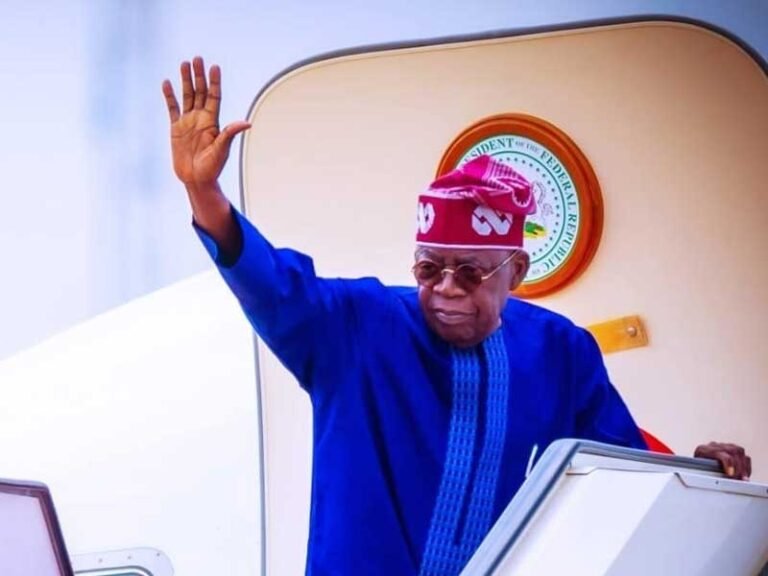
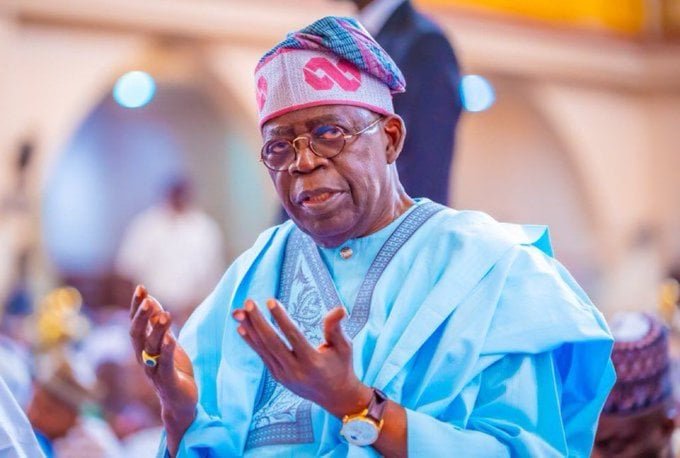
President Bola Ahmed Tinubu has approved the reconstruction of the Lagos-Ibadan Expressway using reinforced concrete pavement, a major infrastructure decision aimed at improving the durability, safety, and long-term performance of one of Nigeria’s busiest highways.
The approval forms part of the administration’s broader commitment to modernising the nation’s road network through high-quality infrastructure capable of supporting economic growth, improving transportation efficiency, and reducing maintenance costs over time.
Furthermore, the reconstruction is expected to strengthen one of Nigeria’s most strategic transport corridors, which serves as a critical link between Lagos, the South-West, and several other regions of the country.
A Strategic Transport Corridor
The Lagos-Ibadan Expressway remains one of the most important highways in Nigeria because it connects major commercial, industrial, and agricultural centres.
Furthermore, thousands of private vehicles, commercial buses, heavy-duty trucks, and logistics operators depend on the expressway every day to move passengers and goods across different parts of the country.
Its importance extends beyond transportation because the road also supports interstate trade, manufacturing activities, tourism, and access to major seaports and inland markets.
Consequently, improving the highway will have far-reaching economic benefits for businesses and commuters alike.
Why Reinforced Concrete Pavement?
The Federal Government’s decision to adopt reinforced concrete pavement reflects a shift toward more durable road construction methods.
Furthermore, reinforced concrete generally provides greater resistance to heavy traffic, harsh weather conditions, and long-term wear compared to conventional asphalt surfaces.
The stronger pavement is also expected to withstand increasing volumes of freight transportation, particularly along a highway that carries a significant proportion of Nigeria’s commercial traffic.
Long-lasting infrastructure reduces future repair requirements.
Reducing Maintenance Costs
President Tinubu’s administration believes that investing in higher-quality road construction today will reduce maintenance expenditure in the future.
Furthermore, roads constructed with reinforced concrete typically require fewer major repairs over their lifespan, allowing government resources to be redirected toward other infrastructure priorities.
Lower maintenance costs improve public investment efficiency.
The approach also minimises repeated road closures that often disrupt economic activities and inconvenience motorists.
Improving Road Safety
The reconstruction project aims to improve safety for millions of road users.
Furthermore, smoother road surfaces, stronger structural integrity, and better engineering standards are expected to reduce accidents associated with deteriorating pavement conditions.
Improved drainage systems, clearer road markings, and upgraded safety features may also enhance driving conditions throughout the expressway.
Safer highways protect lives and property.
Boosting Economic Activities
The Lagos-Ibadan corridor plays a central role in Nigeria’s economy.
Furthermore, manufacturers, agricultural producers, logistics companies, exporters, and retailers depend heavily on efficient road transportation to move products between production centres and consumer markets.
A stronger expressway will improve travel times, reduce transportation costs, and increase the efficiency of supply chains.
Better infrastructure supports economic productivity.
Supporting National Infrastructure Development
The reconstruction aligns with the Federal Government’s broader infrastructure agenda focused on upgrading major federal highways across Nigeria.
Furthermore, investments in strategic road networks complement ongoing efforts to strengthen rail transportation, seaport operations, airports, and other critical infrastructure needed to support national development.
Integrated infrastructure improves national competitiveness.
Creating Employment Opportunities
Large-scale infrastructure projects also generate economic opportunities beyond transportation.
Furthermore, the reconstruction is expected to create employment for engineers, contractors, artisans, equipment operators, suppliers, transport providers, and numerous support service businesses throughout the construction period.
Infrastructure development stimulates local economies.
Building Roads for Future Generations
President Bola Ahmed Tinubu’s approval of reinforced concrete pavement for the Lagos-Ibadan Expressway demonstrates the administration’s emphasis on long-term infrastructure planning rather than short-term solutions.
Furthermore, constructing stronger and more durable highways will improve mobility, support commercial activities, reduce maintenance costs, strengthen road safety, and enhance national connectivity for decades to come.
As Nigeria continues expanding its transportation network, investments in resilient infrastructure like the Lagos-Ibadan Expressway will remain essential for sustaining economic growth, improving regional integration, attracting investment, and delivering lasting benefits to millions of Nigerians who rely on efficient road transportation every day.
About The Author