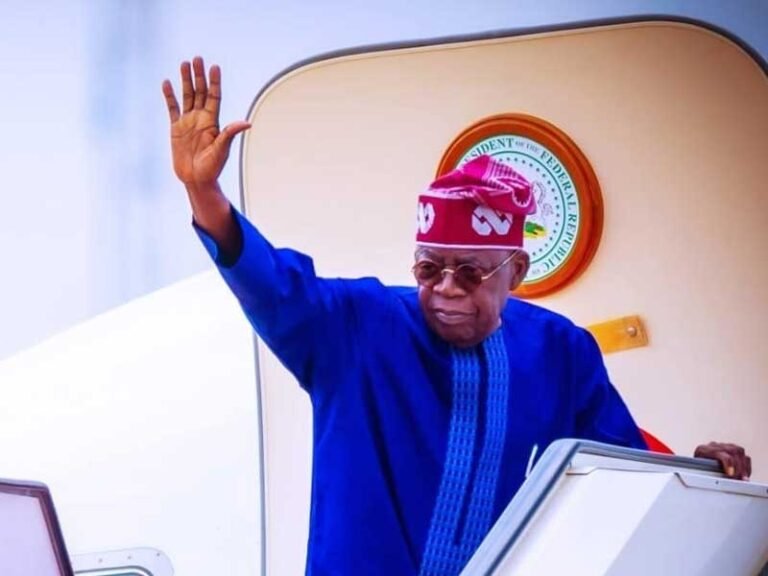
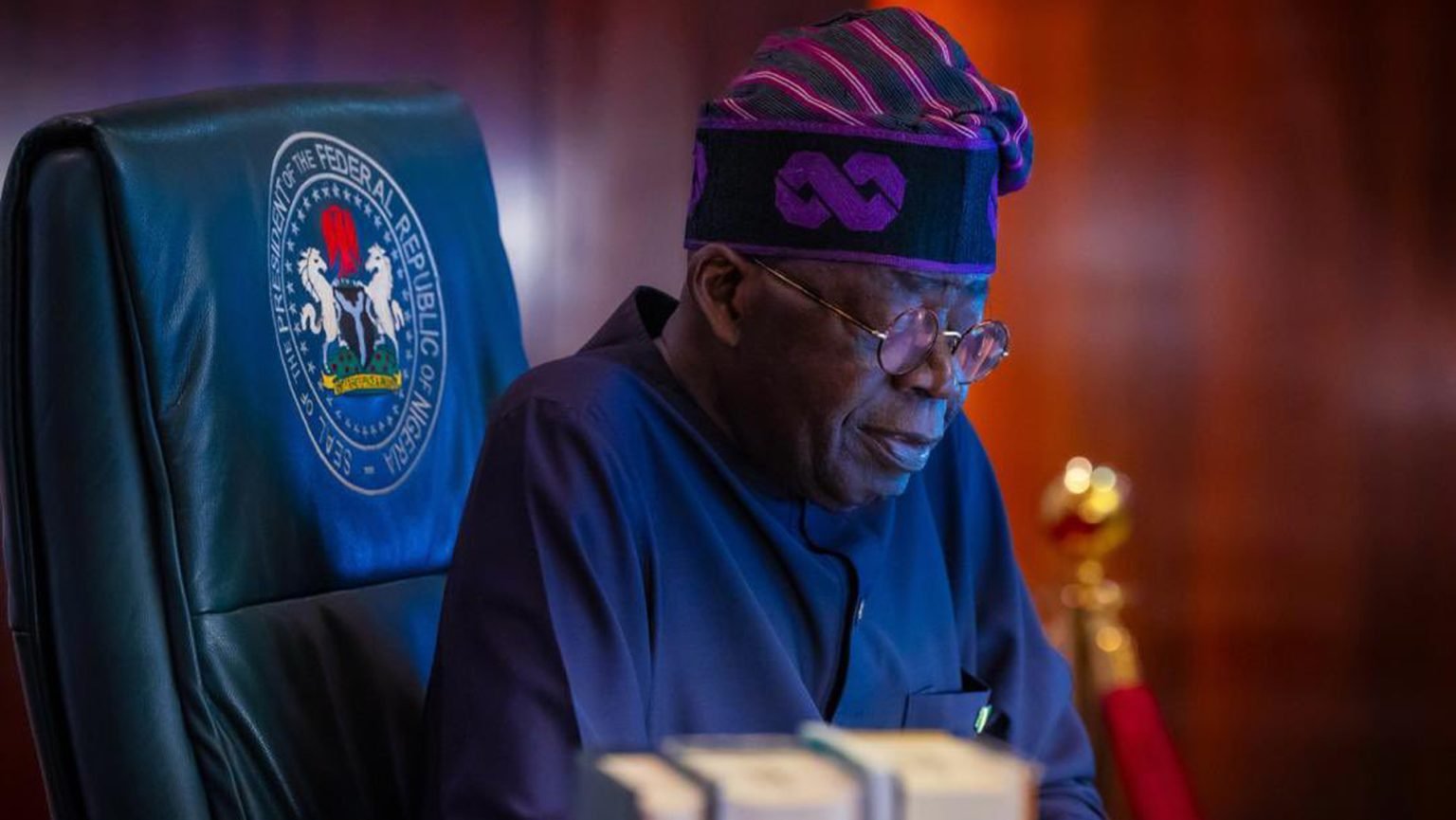
President Bola Ahmed Tinubu has declared insecurity and poverty as national emergencies, placing them at the center of government action.
This decision marks a pivotal moment for Nigeria. It reflects a clear recognition that national stability depends on both safety and economic wellbeing. Therefore, addressing these twin challenges becomes urgent and non-negotiable.
Why the Declaration Matters Now
Nigeria faces evolving pressures.
Insecurity continues to disrupt communities. At the same time, poverty limits access to opportunity. Consequently, both issues threaten jobs, productivity, and social cohesion.
By elevating them to emergency status, Bola Ahmed Tinubu signals urgency. He also creates room for stronger coordination and faster policy execution.
Understanding the Link Between Poverty and Insecurity
These challenges do not exist in isolation.
Insecurity destroys livelihoods. Farmers abandon fields. Businesses shut down. Therefore, poverty deepens.
Conversely, poverty fuels vulnerability. When opportunities shrink, frustration grows. In some cases, instability increases.
Thus, tackling both issues together creates a more effective strategy.
Protecting Jobs and Driving Productivity
Economic growth depends on stability.
When people feel safe, they invest. When businesses operate freely, productivity rises. Therefore, reducing insecurity directly supports job creation.
Similarly, addressing poverty expands participation in the economy. It enables more citizens to contribute meaningfully.
Accordingly, this dual focus strengthens national output.
A Call for Coordinated National Action
No single institution can solve this.
Security agencies must intensify operations. Economic institutions must expand opportunities. Social programmes must reach vulnerable populations.
Therefore, coordination becomes essential.
The declaration by Bola Ahmed Tinubu encourages alignment across sectors. It also demands accountability at every level.
Balancing Immediate Response with Long-Term Reform
Emergency action requires speed.
However, sustainable progress requires structure. Therefore, the government must combine short-term interventions with long-term reforms.
Immediate measures will address security threats. Meanwhile, long-term strategies must focus on education, infrastructure, and job creation.
This balance ensures lasting impact.
Implications for National Stability
Stability grows from inclusion and safety.
When citizens feel protected, trust increases. When economic opportunities expand, hope returns. Therefore, national unity strengthens.
The declaration reinforces a commitment to both.
Looking Ahead
Expectations will rise across Nigeria.
Citizens will look for visible improvements. They will also expect transparency and measurable outcomes.
Therefore, implementation will define success.
Conclusion: A Critical Step Toward Stability
The decision by Bola Ahmed Tinubu sets a clear national priority.
By declaring insecurity and poverty as emergencies, Nigeria is confronting its most pressing challenges head-on.
Ultimately, consistent action, strong coordination, and inclusive policies will determine whether this bold step translates into real progress and lasting stability.
About The Author