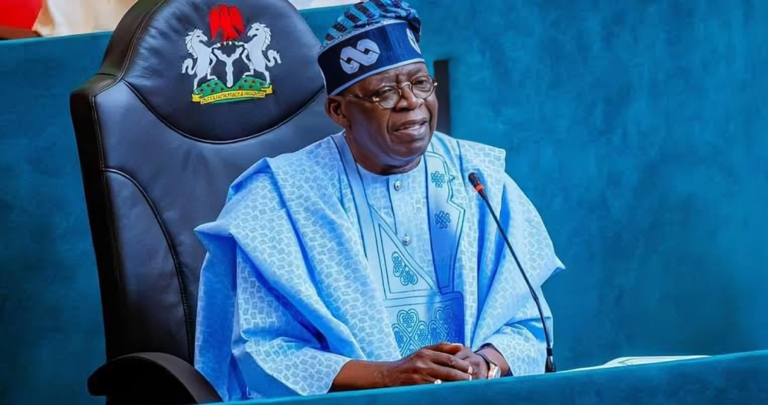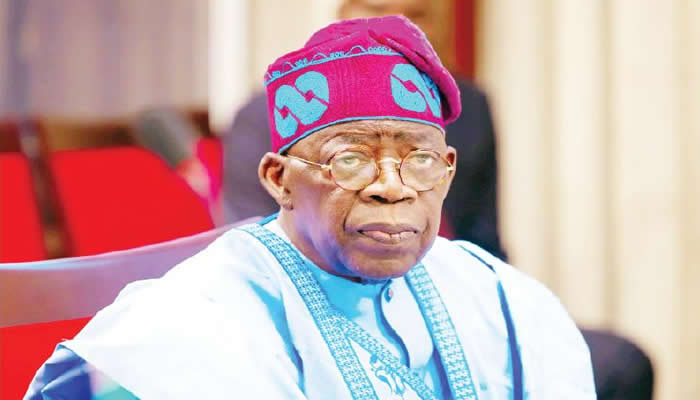
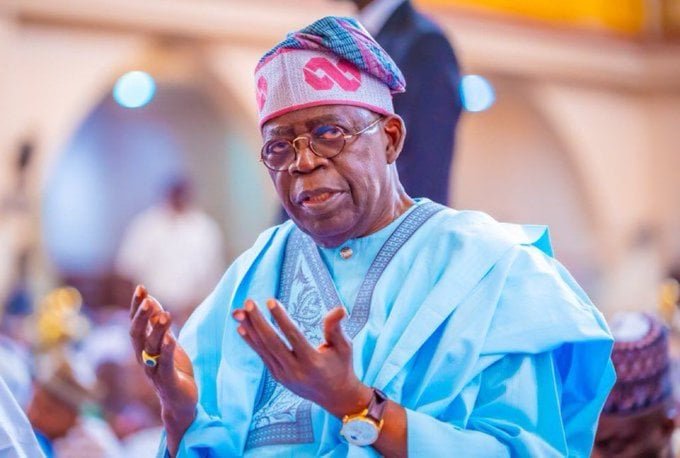
President Bola Ahmed Tinubu has said that the removal of fuel subsidy by his administration helped avert an imminent financial crisis and created the foundation for the gradual recovery of Nigeria’s economy.
The President maintained that the decision, though difficult and initially painful for many citizens, was necessary to prevent severe fiscal challenges that threatened the country’s economic stability.
According to him, continuing the subsidy regime would have placed unsustainable pressure on public finances, reduced government capacity to invest in critical sectors and weakened long-term economic growth prospects.
He explained that the reform was part of broader efforts aimed at restoring fiscal discipline, strengthening public revenue and creating a more sustainable economic framework for national development.
A Difficult but Necessary Economic Decision
The removal of fuel subsidy remains one of the most significant economic policy decisions undertaken by the current administration.
For many years, successive governments spent substantial amounts on fuel subsidies to keep petrol prices below market levels.
While the policy provided short-term relief to consumers, economists and policy experts frequently argued that it imposed a heavy burden on government finances and limited investment in other important sectors.
President Tinubu stated that his administration inherited a situation that required urgent action to prevent further economic deterioration.
According to him, postponing difficult decisions would only have increased financial risks and made future reforms more challenging.
Therefore, the government chose to pursue what it considered a necessary path toward long-term economic sustainability.
Strengthening Public Finances
One of the primary objectives of the subsidy removal policy was to improve fiscal stability.
The President noted that resources previously devoted to subsidy payments can now be redirected toward infrastructure, healthcare, education, security and other development priorities.
Governments around the world often face difficult choices regarding how limited public resources should be allocated.
Supporters of the reform argue that reducing subsidy expenditures allows greater investment in sectors capable of generating long-term economic benefits and improving public welfare.
Consequently, the administration believes that stronger fiscal management will help improve economic resilience and support future growth.
Signs of Economic Recovery
President Tinubu expressed optimism that the economy is gradually responding to ongoing reforms.
According to the administration, measures aimed at stabilising public finances, attracting investment and strengthening productivity are beginning to create conditions for sustainable growth.
While acknowledging the challenges many Nigerians continue to face, the President argued that economic recovery requires patience and consistent implementation of reforms.
He maintained that meaningful transformation rarely occurs overnight and often involves periods of adjustment before positive outcomes become visible.
Furthermore, the government continues to emphasize economic diversification, infrastructure development and private-sector growth as key pillars of its long-term strategy.
Balancing Reform and Social Impact
The subsidy removal decision generated significant public debate because of its impact on transportation costs, inflation and household expenses.
Many citizens experienced increased financial pressure following the policy change, leading to concerns about affordability and living standards.
Recognising these challenges, the administration has repeatedly stated its commitment to implementing programmes designed to cushion the effects of economic reforms on vulnerable populations.
The President stressed that government remains focused on balancing economic restructuring with social protection measures aimed at supporting citizens during the transition period.
According to him, reforms must ultimately improve opportunities and living conditions for ordinary Nigerians.
Building a More Sustainable Economy
The administration views subsidy removal as part of a broader effort to reposition the economy for long-term competitiveness and sustainability.
Economic experts often highlight the importance of efficient resource allocation, productive investment and fiscal responsibility in supporting national development.
By reducing dependence on costly subsidy programmes, the government hopes to create more space for investment in infrastructure, human capital development and economic expansion.
The President argued that difficult reforms today can help create stronger foundations for future prosperity and stability.
Moreover, he stressed that economic resilience requires policies capable of supporting growth while reducing fiscal vulnerabilities.
Looking Ahead
President Bola Ahmed Tinubu remains convinced that the removal of fuel subsidy was necessary to prevent deeper financial challenges and place Nigeria on a more sustainable economic path.
As the administration continues implementing reforms, public attention will remain focused on economic growth, inflation, employment opportunities and improvements in living standards.
For supporters of the policy, the decision represents a difficult but necessary step toward fiscal stability and long-term development. For critics, its success will ultimately be measured by its impact on citizens and the broader economy.
Regardless of differing perspectives, the subsidy removal remains one of the defining economic decisions of the current administration and will continue shaping discussions about Nigeria’s economic future for years to come.
About The Author