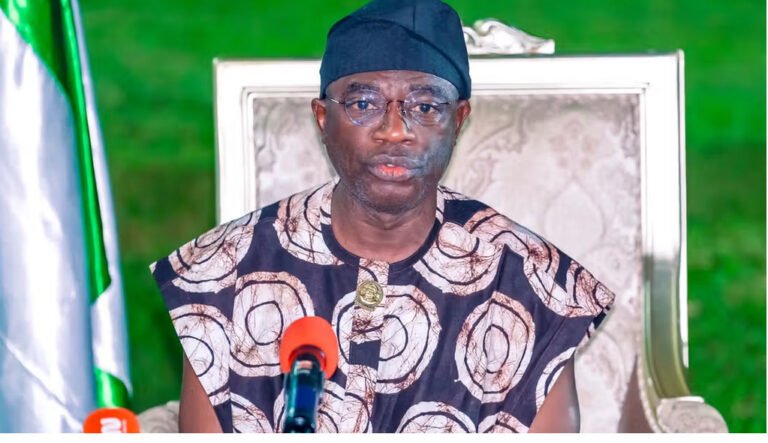
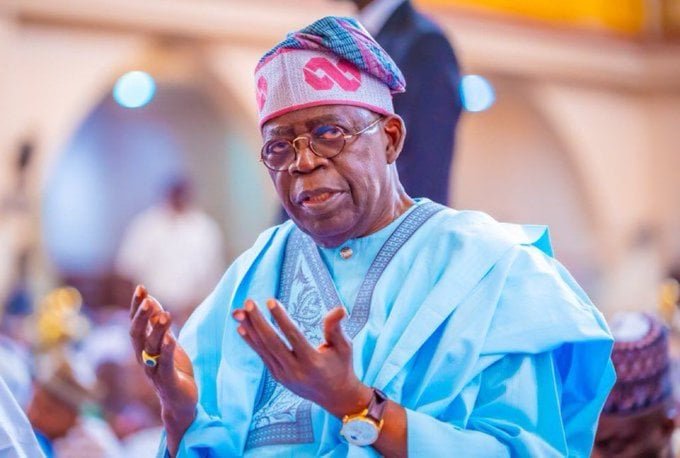
Bola Ahmed Tinubu has declared that Nigeria’s longstanding security challenges can only be effectively addressed through deliberate interfaith dialogue, national unity, and sustained investment in young people, stressing that his administration is prioritising youth development as a critical strategy to prevent radicalisation and deny terrorist groups opportunities for recruitment.
The President emphasised that military operations alone cannot permanently resolve complex security threats, noting that lasting peace requires cooperation among religious leaders, communities, government institutions, civil society organisations, and citizens.
Furthermore, he reaffirmed his administration’s commitment to addressing the social and economic conditions that often contribute to insecurity.
Interfaith Dialogue as a Path to Peace
President Tinubu stated that Nigeria’s religious diversity should remain a source of strength rather than division.
Furthermore, he observed that continuous dialogue among different faith communities promotes mutual understanding, reduces tensions, and strengthens peaceful coexistence.
According to the President, building trust across religious lines creates stronger communities capable of resisting extremism and violence.
Such engagement, he said, remains essential for national stability.
Youth Development as a Security Strategy
The President stressed that investing in young Nigerians represents one of the most effective long-term approaches to improving national security.
Furthermore, access to quality education, vocational training, entrepreneurship opportunities, digital skills, and meaningful employment reduces the vulnerability of young people to criminal and extremist recruitment.
He explained that empowering the youth creates pathways to productivity while strengthening national resilience against radical ideologies.
Youth development therefore remains a strategic national priority.
Preventing Radicalisation
President Tinubu warned that terrorist organisations often exploit poverty, unemployment, social exclusion, and misinformation to recruit vulnerable individuals.
Furthermore, addressing these underlying challenges requires comprehensive policies that combine security operations with economic empowerment and social inclusion.
The administration, he noted, continues implementing programmes designed to expand opportunities for young Nigerians across multiple sectors.
Such interventions strengthen long-term national security.
Strengthening National Unity
The President also called on Nigerians to embrace unity despite ethnic, religious, and political differences.
Furthermore, he encouraged religious leaders to continue promoting messages of tolerance, compassion, peaceful coexistence, and mutual respect within their communities.
National unity, he argued, provides the strongest foundation for sustainable development and lasting peace.
Collective responsibility remains essential to overcoming shared challenges.
Investing in Education and Skills
Education featured prominently in the President’s remarks.
Furthermore, he described quality education as one of the most effective tools for reducing vulnerability to violent extremism.
By expanding access to schools, vocational centres, innovation hubs, and digital learning opportunities, the administration seeks to prepare young Nigerians for productive participation in the modern economy.
Knowledge remains a powerful instrument for national transformation.
Supporting Economic Opportunities
President Tinubu reiterated that economic empowerment complements security initiatives.
Furthermore, increased investments in entrepreneurship, agriculture, technology, manufacturing, and infrastructure create employment while strengthening economic resilience.
He maintained that broad-based economic growth helps reduce the conditions that extremist groups often seek to exploit.
Inclusive development therefore contributes directly to national peace and stability.
Building Partnerships for Peace
The President emphasised that achieving lasting security requires collaboration among government institutions, traditional rulers, faith-based organisations, community leaders, development partners, and the private sector.
Furthermore, coordinated action improves the effectiveness of peacebuilding initiatives while strengthening public confidence in national institutions.
He encouraged continued cooperation in promoting dialogue, education, and community development across Nigeria.
Shared responsibility remains central to sustainable peace.
A Vision for a Safer Nigeria
President Bola Ahmed Tinubu’s call for deliberate interfaith dialogue and sustained youth investment reflects a broader strategy that combines security, social inclusion, education, and economic empowerment.
Furthermore, the administration believes that addressing the root causes of insecurity requires long-term investment in people alongside effective security operations.
As Nigeria continues strengthening opportunities for its young population while promoting religious harmony and national unity, these efforts are expected to reduce vulnerability to radicalisation, strengthen social cohesion, improve public safety, and contribute to building a more peaceful, secure, and prosperous nation.
About The Author