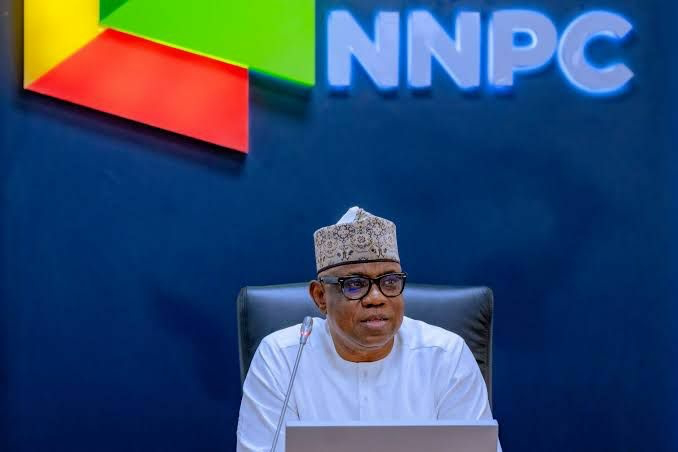

The Minister of Works, David Umahi, has disclosed that President Bola Ahmed Tinubu rejected calls for his removal from office following the tragic death of Mary Habila, a nurse who died at his residence in Ebonyi State, stating that the President maintained confidence in his leadership despite the intense public criticism that followed the incident.
Umahi made the revelation while reflecting on the controversy surrounding Habila’s death, an incident that generated widespread public attention and intense debate across social media and other public platforms.
Furthermore, the minister said the President chose not to act on demands for his dismissal, maintaining confidence in due process rather than responding to public pressure before relevant investigations and facts had been fully established.
According to Umahi, President Tinubu’s decision reflected his commitment to fairness, justice, and institutional processes, rather than making decisions based solely on public sentiment or political pressure.
The minister also expressed appreciation for the President’s continued confidence in his service, describing the support as an indication of leadership guided by careful consideration rather than emotion.
Umahi Speaks on the Controversy
The minister addressed the events surrounding the incident publicly.
Furthermore, he acknowledged the intense public attention that followed Mary Habila’s death and the reactions it generated across the country.
The issue attracted national attention.
Public debate remained widespread.
Calls for His Removal
Following the incident, some individuals and groups reportedly demanded Umahi’s removal from office.
Furthermore, the controversy generated extensive discussions regarding accountability, leadership, and public responsibility.
Public scrutiny followed.
The matter remained a significant national conversation.
Tinubu Maintained Confidence
Umahi stated that President Tinubu did not accept calls for his dismissal.
Furthermore, he explained that the President chose to maintain confidence in him despite the public pressure surrounding the incident.
Leadership requires careful judgment.
According to Umahi, the President allowed established processes to take their course.
Importance of Due Process
The minister emphasised the importance of allowing lawful procedures to guide decisions.
Furthermore, he suggested that public office holders should be assessed based on verified facts rather than speculation or emotional reactions.
Due process protects fairness.
Institutional procedures remain important in democratic governance.
Public Interest Remains High
The death of Mary Habila continues to attract public interest.
Furthermore, many Nigerians have continued following developments surrounding the case because of its significance and the questions it raised.
Transparency remains important.
Public confidence often depends on accountability and clear communication.
Government Accountability
Public officials remain subject to public scrutiny.
Furthermore, democratic governance encourages accountability while ensuring that investigations and legal processes are respected.
Accountability strengthens institutions.
Responsible leadership requires openness and fairness.
Confidence in Public Institutions
Umahi’s remarks also highlighted confidence in institutional decision-making.
Furthermore, he suggested that established legal and administrative procedures should guide sensitive matters involving public officials.
Institutions support stability.
Fair processes strengthen public trust.
Continuing Public Discussion
The minister’s comments have renewed public conversations surrounding the incident.
Furthermore, discussions continue regarding leadership, responsibility, due process, and the importance of transparent investigations.
Public dialogue remains active.
National issues often encourage broader conversations about governance.
Looking Ahead
David Umahi statement that President Bola Ahmed Tinubu rejected calls for his removal following the death of Mary Habila provides additional insight into the administration’s handling of the controversy. Furthermore, the minister maintains that the President chose to uphold due process and retain confidence in his leadership despite significant public pressure.
As public interest in the matter continues, the importance of transparency, accountability, lawful investigation, and respect for established institutional procedures remains central to maintaining public confidence. Continued adherence to due process will remain essential in ensuring that justice, fairness, and the rule of law guide decisions involving matters of national concern.
About The Author