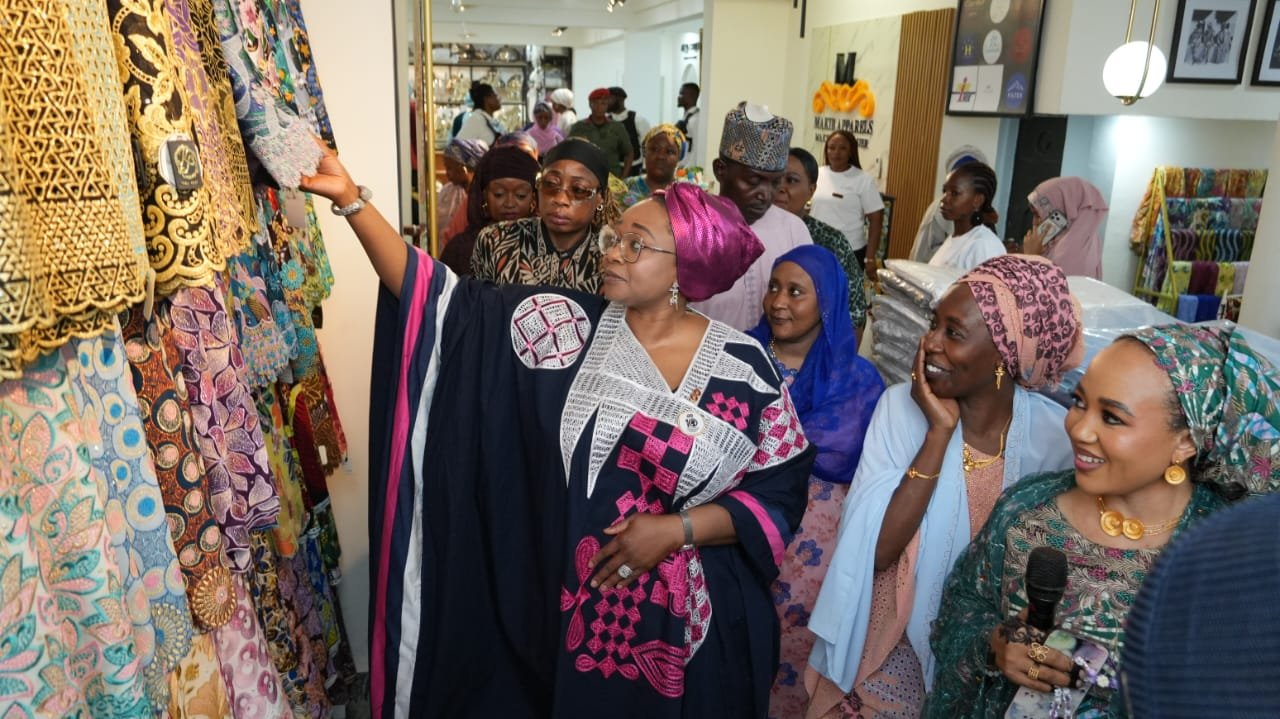
The Presidency has said ongoing economic reforms undertaken by the administration of President Bola Ahmed Tinubu are restoring confidence in Nigeria’s business environment and creating new opportunities for entrepreneurs to expand.
The development carries particular significance for Africans and the Diaspora, as Nigerian businesses and professionals abroad continue to watch the country’s economic transformation and investment opportunities.
Reforms Target Business Growth
The Tinubu administration has continued to implement economic reforms aimed at improving Nigeria’s business environment.
Furthermore, the reforms seek to address structural challenges that have affected businesses and investors over the years.
Greater policy clarity can improve planning.
Improved market conditions can encourage investment.
Better access to opportunities can help businesses expand.
These changes can ultimately strengthen private-sector participation in Nigeria’s economy.
Confidence Remains Important
Business confidence plays an important role in economic growth.
Furthermore, entrepreneurs are more likely to invest when they believe economic conditions can support long-term expansion.
Businesses need predictable policies.
Investors need clearer regulations.
Entrepreneurs also need access to capital and markets.
When these conditions improve, companies can make stronger investment decisions.
Opportunities for Entrepreneurs
The Presidency’s position suggests that the reforms are creating new opportunities for entrepreneurs across different sectors.
Furthermore, Nigerian businesses can explore opportunities in technology, agriculture, manufacturing, energy, logistics, financial services, and creative industries.
Small businesses can expand their operations.
Growing companies can employ more workers.
Innovators can develop new products.
Investors can support emerging enterprises.
Diaspora Investors Can Play a Role
The Nigerian Diaspora represents an important source of capital, expertise, and international connections.
Furthermore, Nigerians living abroad can contribute to domestic economic development through investments, partnerships, technology transfers, and professional expertise.
Diaspora entrepreneurs can establish businesses in Nigeria.
International professionals can support local companies.
Investors can finance promising ventures.
These connections can strengthen economic relationships between Nigeria and the wider global Nigerian community.
Africa’s Wider Economic Potential
Nigeria’s economic reforms also matter within the wider African market.
Furthermore, Nigeria remains one of Africa’s largest economies and consumer markets.
Businesses operating successfully in Nigeria can potentially expand into other African markets.
Regional trade can create additional opportunities.
Technology can connect businesses across borders.
The African Continental Free Trade Area can also provide a broader framework for regional commerce.
Private Sector Remains Critical
Government cannot generate sustainable economic growth alone.
Furthermore, private businesses create much of the employment and productive activity needed for a growing economy.
Entrepreneurs establish companies.
Manufacturers create products.
Farmers supply raw materials.
Technology firms develop digital solutions.
Investors provide capital.
A stronger business environment can therefore support wider economic development.
Reforms Must Translate Into Real Benefits
Economic reforms ultimately need to produce tangible improvements for businesses and households.
Furthermore, entrepreneurs need to experience better operating conditions rather than simply hear about policy changes.
Lower business costs can improve competitiveness.
Reliable infrastructure can increase productivity.
Improved access to finance can support expansion.
Stable policies can encourage long-term investment.
These outcomes can strengthen confidence in the reform process.
Technology Creates New Possibilities
Nigeria’s technology sector provides significant opportunities for entrepreneurs.
Furthermore, digital businesses can reach customers beyond Nigeria’s borders.
Software companies can export services.
Fintech companies can develop new financial solutions.
Digital creators can reach international audiences.
Technology professionals can work with global companies while operating from Nigeria.
This creates opportunities for both domestic and Diaspora collaboration.
Agriculture Offers Major Potential
Agriculture also remains a major area for investment.
Furthermore, Nigeria has significant agricultural resources and a large domestic market.
Entrepreneurs can invest in food processing.
Businesses can develop agricultural technology.
Investors can support storage and logistics.
Manufacturers can produce farming equipment.
Value addition can therefore generate more income from agricultural production.
Energy Remains a Key Business Issue
Reliable energy remains essential for business expansion.
Furthermore, companies need dependable electricity to maintain production and reduce operating costs.
Renewable energy can provide new investment opportunities.
Gas infrastructure can support industrial activity.
Energy technology can create new businesses.
Improved energy supply can also strengthen manufacturing and digital services.
Manufacturing Can Drive Expansion
A stronger manufacturing sector can create substantial economic opportunities.
Furthermore, local production can reduce dependence on imported products while creating employment and strengthening domestic supply chains.
Entrepreneurs can establish factories.
Businesses can develop local products.
Investors can provide production capital.
Greater manufacturing capacity can also support exports.
Creative Industries Are Expanding
Nigeria’s creative economy also offers opportunities for entrepreneurs and Diaspora investors.
Furthermore, Nigerian music, film, fashion, publishing, art, and digital content have gained significant international attention.
Creative entrepreneurs can build global brands.
Diaspora professionals can provide international networks.
Investors can support production companies.
Technology can help Nigerian creators reach global audiences.
Investment Requires Stability
Entrepreneurs need confidence that economic reforms will remain consistent.
Furthermore, long-term investments cannot easily respond to sudden policy changes.
Policy continuity can encourage expansion.
Transparent regulations can reduce uncertainty.
Effective institutions can improve investor confidence.
These factors will remain important as Nigeria continues its economic transformation.
Building Stronger Nigeria-Diaspora Connections
The reforms could also encourage deeper economic relationships between Nigeria and its Diaspora.
Furthermore, Nigerians abroad can bring international experience, capital, technical expertise, and access to global markets.
Domestic businesses can benefit from these connections.
Diaspora entrepreneurs can establish partnerships.
International investors can identify opportunities.
This collaboration can strengthen Nigeria’s participation in the global economy.
Looking Ahead
The Presidency’s assessment presents Nigeria’s economic reforms as an effort to restore confidence, improve the business environment, and create new opportunities for entrepreneurs.
For Africans and the Diaspora, the developments could provide additional opportunities to participate in Nigeria’s growing private sector through investment, entrepreneurship, partnerships, technology, and skills transfer.
Ultimately, the lasting success of Nigeria’s economic reforms will depend on whether businesses experience greater stability, lower operating barriers, improved infrastructure, stronger access to finance, expanding markets, and increased opportunities to create jobs and wealth, while stronger connections with Africans and the Diaspora could further accelerate investment and position Nigeria as a more competitive destination for enterprise and innovation.
About The Author