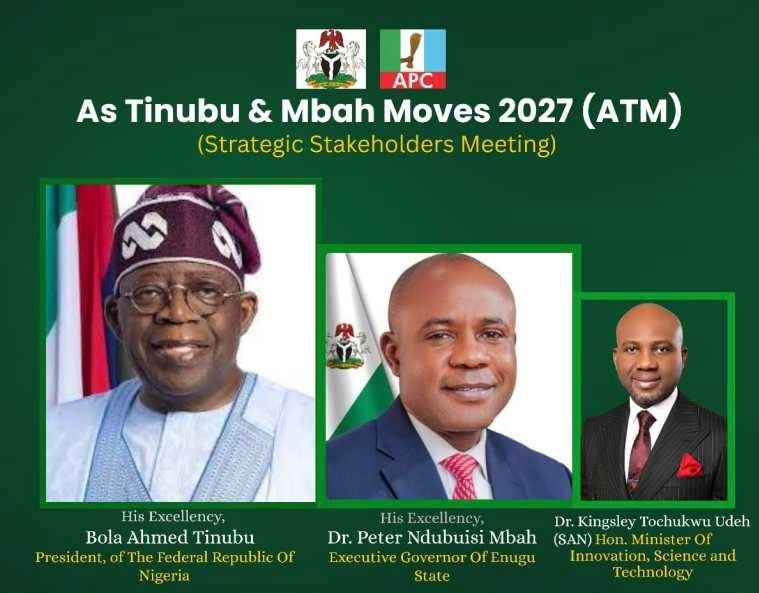
Udeh has unveiled 17 buses to support mobilisation efforts for the re-election of President Bola Tinubu and Enugu State Governor Peter Mbah, signalling a fresh push to strengthen grassroots political engagement ahead of the next election cycle.
The initiative places transportation and community outreach at the centre of the political mobilisation effort. By providing buses, Udeh and the supporters behind the initiative aim to improve movement for campaign activities, expand contact with communities and strengthen coordination among supporters.
Moreover, the unveiling highlights the importance political groups place on organising their supporters beyond online messaging and public declarations. While digital platforms help campaigns reach large audiences, physical engagement remains an important part of building relationships with voters, explaining political priorities and encouraging participation.
Buses to Support Grassroots Mobilisation
The unveiling of the 17 buses provides a practical component for supporters seeking to expand their political activities. In particular, the vehicles could help facilitate transportation for meetings, rallies, outreach programmes and other activities, depending on how organisers deploy them.
Furthermore, organised transportation can help supporters coordinate their movements and participate in events across different communities. For political groups, such logistics can make it easier to maintain regular contact with supporters and sustain engagement over time.
However, the effectiveness of the initiative will depend on how the organisers manage the vehicles, coordinate their use and connect mobilisation activities with meaningful engagement.
Beyond the number of buses, consistent outreach, clear communication and an understanding of community concerns will remain important to the campaign’s broader objectives.
Support for Tinubu and Mbah
The initiative brings together support for President Bola Tinubu at the national level and Governor Peter Mbah at the state level.
For Tinubu’s supporters, mobilisation efforts provide an opportunity to communicate the administration’s policies, explain its priorities and engage Nigerians on the direction of the country. At the same time, supporters of Mbah can use grassroots activities to discuss his administration’s programmes and its record in Enugu State.
Consequently, the unveiling creates a platform through which organisers can coordinate activities around the two political figures. Nevertheless, voters will ultimately assess both leaders according to their respective records, policy choices and responses to public concerns.
Political mobilisation can increase visibility and encourage participation. However, sustaining public support also requires credible communication, accountability and a clear explanation of how government policies affect people’s everyday lives.
Why Transportation Matters in Political Campaigns
Transportation often plays a practical role in large-scale political organisation. Campaign teams need to move volunteers, coordinate activities and reach communities where they intend to engage residents.
Therefore, the provision of 17 buses could strengthen the organisers’ logistical capacity, particularly if they assign the vehicles to specific mobilisation responsibilities and maintain a clear operational plan.
In addition, a coordinated transport system can help organisers plan activities more efficiently and reduce the difficulties supporters may face when travelling to campaign events.
Nevertheless, buses alone cannot guarantee successful mobilisation. Organisers must also develop clear messages, maintain reliable communication channels and encourage meaningful conversations with residents.
More importantly, political engagement should extend beyond rallies and public gatherings. Listening to voters, understanding their priorities and responding to their questions can help ensure that mobilisation efforts remain connected to the issues that matter to communities.
The Importance of Sustained Political Engagement
As political groups prepare for future elections, initiatives such as the unveiling of these buses demonstrate the role of logistics in building organised support.
However, sustained engagement requires more than visible campaign activities. Organisers must maintain contact with supporters, communicate their objectives clearly and explain the policies and achievements they want voters to consider.
Similarly, they need to address public concerns openly. Issues such as employment, infrastructure, education, healthcare, security and the cost of living often shape how citizens evaluate political leadership.
By connecting mobilisation with substantive policy discussions, campaign groups can provide voters with clearer reasons to support their preferred candidates.
At the same time, citizens should have the opportunity to evaluate competing claims and make independent decisions based on the information available to them.
Conclusion
Udeh’s unveiling of 17 buses for Tinubu and Mbah’s re-election efforts adds a logistical dimension to the political mobilisation surrounding both leaders.
The vehicles could help organisers coordinate campaign activities, improve transportation for supporters and strengthen grassroots outreach. However, the long-term impact will depend on how effectively the organisers use them and whether their engagement addresses voters’ concerns.
Ultimately, successful political mobilisation requires more than resources and public displays of support. It also depends on consistent communication, credible policy discussions and meaningful engagement with the electorate as Nigeria approaches another election cycle.
About The Author