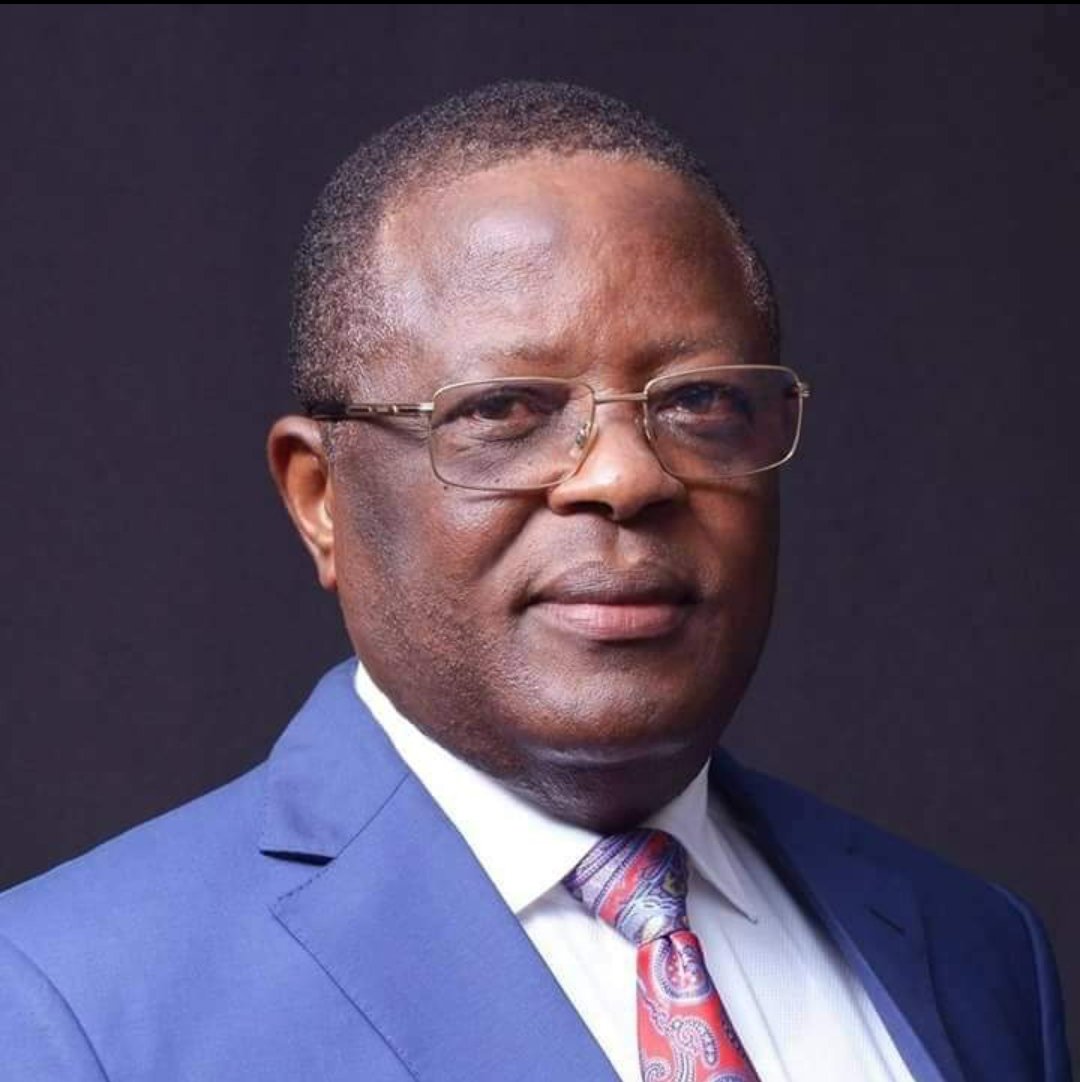
The Minister of Works, Senator David Umahi, has disclosed that about N12 billion is required for immediate intervention to prevent the Eko Bridge in Lagos State from collapsing, stressing the urgent need for rehabilitation and structural reinforcement of one of the country’s most strategic transport corridors.
The minister explained that the proposed intervention is necessary to address critical structural concerns identified during ongoing assessments of the bridge, which serves thousands of commuters and commercial vehicles daily. According to him, delaying the required repairs could expose the infrastructure to greater deterioration and increase future rehabilitation costs.
Furthermore, he emphasized that protecting key national assets remains a priority of the Federal Government as it continues to invest in infrastructure renewal and sustainable economic development.
Eko Bridge Plays a Strategic Role in Lagos Transportation
Eko Bridge remains one of the major road links connecting different parts of Lagos, supporting the movement of people, goods, and services across Nigeria’s commercial capital.
Every day, the bridge accommodates heavy traffic generated by business activities, government operations, and intercity transportation, making its structural integrity essential to the smooth functioning of the state’s economy.
Moreover, maintaining critical infrastructure such as Eko Bridge contributes to improved mobility, reduced travel disruptions, and greater economic productivity.
The minister noted that preserving existing infrastructure is just as important as constructing new projects across the country.
Early Intervention Can Prevent Larger Costs
Senator Umahi stressed that preventive maintenance remains the most cost-effective approach to infrastructure management.
He explained that addressing structural defects at an early stage can significantly reduce the financial burden associated with major reconstruction while extending the lifespan of public infrastructure.
In addition, timely rehabilitation helps protect public safety by ensuring that roads and bridges remain reliable for motorists and pedestrians.
The minister therefore urged continued investment in routine maintenance as part of a long-term strategy for preserving national infrastructure assets.
Infrastructure Investment Supports Economic Growth
The Federal Government continues to prioritise road and bridge development as part of broader efforts to strengthen transportation networks and stimulate economic activity.
Efficient transport infrastructure facilitates trade, improves logistics, reduces travel time, and supports business expansion by connecting producers to markets more effectively.
Furthermore, improved infrastructure enhances investor confidence while creating employment opportunities through construction and maintenance activities.
The proposed intervention on Eko Bridge therefore represents not only a safety measure but also an investment in economic resilience and national development.
Commitment to Sustainable Infrastructure Development
Senator Umahi reaffirmed the government’s commitment to ensuring that critical infrastructure across Nigeria receives the attention required to guarantee safety, durability, and operational efficiency.
He noted that continuous inspection, rehabilitation, and modernisation of roads and bridges will remain essential components of the nation’s infrastructure development strategy.
Moreover, collaboration among relevant agencies and stakeholders will support effective project execution while ensuring that public resources are utilised efficiently for the benefit of citizens.
Protecting National Assets for Future Generations
The minister’s disclosure of the estimated N12 billion required for immediate intervention highlights the importance of proactive infrastructure management in safeguarding national assets.
As Nigeria continues to expand and modernise its transportation network, sustained investment in maintenance and rehabilitation will remain vital to supporting economic growth, public safety, and national connectivity. By acting promptly to preserve critical infrastructure such as Eko Bridge, the government aims to ensure that essential transport corridors continue to serve millions of Nigerians while contributing to long-term development and prosperity.
About The Author