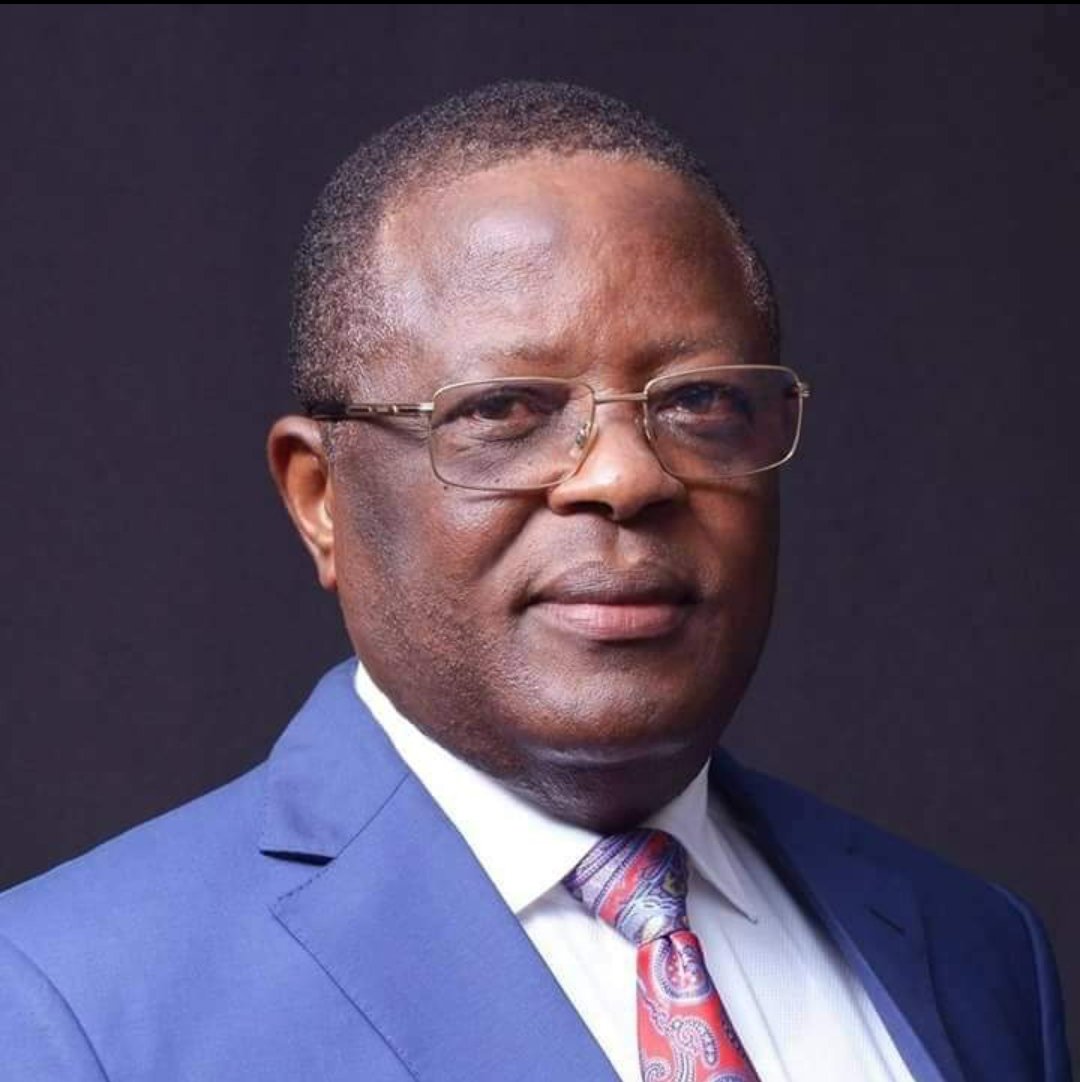
The Minister of Works, David Umahi, has said President Bola Tinubu did not direct him to award the Lagos-Calabar Coastal Highway project to Hitech Construction Company, insisting that he personally takes responsibility for the procurement decision.
He made the clarification on Sunday while appearing on Channels Television’s Politics Today, amid continuing questions about the procurement process, the choice of Hitech and the role of the Presidency in the multibillion-naira highway project.
Umahi Says Tinubu Gave No Instruction
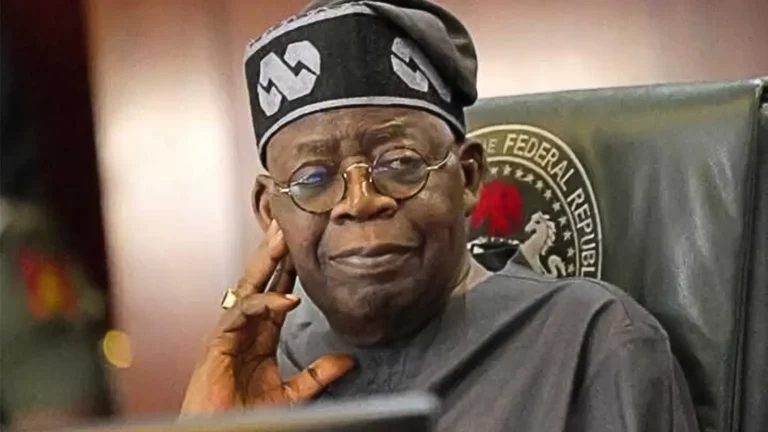
Umahi rejected suggestions that Tinubu personally instructed him to select Hitech for the coastal highway.
According to the minister, the President never contacted him to direct that the contract should be given to the construction company. Instead, he said he remained accountable for the decisions taken by his ministry.
Umahi also pointed to his personal record and responsibility as a public official, stressing that he should be held accountable for decisions made under his watch.
His comments come against the background of longstanding controversy surrounding the project, particularly questions about the procurement method used to select Hitech.
Why Hitech Was Selected
Meanwhile, Umahi explained that Hitech’s previous experience with coastal erosion and infrastructure in Lagos influenced the ministry’s decision.
He said the company had previously undertaken work that helped address coastal erosion and restore parts of Victoria Island. According to him, that experience demonstrated the company’s ability to handle the technical challenges associated with the coastal highway.
The minister therefore argued that the decision was based on technical considerations rather than a presidential directive.
The Federal Ministry of Works has previously maintained that Hitech was involved in discussions over the project and later became the contractor for sections of the highway. In 2023, the ministry described the project as one that would be funded and constructed by Hitech under a public-private partners hip.
Minister Defends Special Procurement
Beyond the question of who made the decision, Umahi also defended the procurement procedure used for the project.
He explained that Nigerian procurement law allows different approaches depending on the circumstances of a project. These include open competitive bidding as well as restrictive or selective tendering.
According to the minister, restrictive selective tendering can be used when a project is considered urgent, with a limited number of qualified companies invited to participate before the commercial stage.
Umahi said the process also involved the Bureau of Public Procurement, which he described as part of the required approval and oversight structure.
Therefore, he argued that the use of a special procurement process should not automatically be interpreted as evidence that the project bypassed procurement rules.
Questions Over Tinubu’s Relationship With Hitech Owner
The minister was also asked whether Tinubu’s relationship with Gilbert Chagoury, the Lebanese-Nigerian businessman associated with Hitech, influenced the selection of the company.
Umahi rejected that suggestion.
He insisted that the relationship between the President and the businessman had no bearing on the procurement decision and maintained that he personally took responsibility for the process.
The issue has attracted public attention because Hitech has been closely associated with the coastal highway project since the early stages of construction.
Indeed, in March 2025, Umahi had similarly said Tinubu did not recommend a company for the project and defended the procurement process, arguing that the ministry had followed procedures permitted under Nigerian procurement law.
Funding and National Assembly Question
Another issue raised during the interview concerned why the coastal highway procurement was not presented to the National Assembly.
Umahi distinguished between procurement and borrowing.
He argued that parliamentary approval was relevant to the borrowing arrangement required to finance a project, rather than to the procurement procedure itself.
Consequently, he maintained that the procurement did not have to be submitted to the National Assembly simply because the project involved substantial public expenditure.
The explanation comes as scrutiny of the highway continues, particularly around how the Federal Government structured its financing and contracting arrangements.
Highway Also Designed to Address Flooding
At the same time, Umahi used the interview to explain some of the engineering features incorporated into the coastal highway.
He said the Federal Government was constructing hydraulic channels along the route to help move floodwater from the coastal side towards the lagoon.
According to the minister, some existing drainage channels in Lagos are blocked or insufficient to effectively evacuate surrounding floodwater.
The Federal Government’s approach, he said, involves constructing additional channels at regular intervals along the highway.
Moreover, Umahi said the project includes service lanes that would improve access for residents and property owners along the corridor while supporting the broader drainage system.
Therefore, he presented the highway as more than a transportation project, arguing that its design also addresses some of the infrastructure and flooding challenges affecting communities along the route.
Government Maintains Focus on Long-Term Infrastructure
The Lagos-Calabar Coastal Highway remains one of the Federal Government’s major infrastructure projects.
The planned corridor stretches along Nigeria’s coastline and is intended to improve transportation links between communities and economic centres across several southern states.
In April 2025, President Tinubu flagged off the Cross River section of the project, with the Federal Government describing the highway as an infrastructure project with potential economic and connectivity benefits. The Cross River segment is being constructed by Hitech.
The project has nevertheless continued to attract debate over its cost, procurement, environmental implications and implementation.
Against that backdrop, Umahi’s latest comments represent another attempt to clarify the ministry’s position on how Hitech emerged as the contractor.
Umahi Puts Procurement Responsibility on Himself
Ultimately, Umahi’s central message is that the President did not instruct him to hand the Lagos-Calabar Coastal Highway contract to Hitech.
Instead, the Works Minister says he made the procurement decision within his responsibilities as minister and is prepared to accept accountability for it.
His explanation does not end the wider debate over the project, but it clearly places the responsibility for the contractor selection within the Ministry of Works rather than with a direct presidential instruction.
As construction continues, attention will remain on the project’s implementation, procurement compliance, financing and the infrastructure benefits promised to communities along the corridor.
For now, Umahi has drawn a clear line between the President and the contractor-selection decision, insisting that he, rather than Tinubu, bears responsibility for the procurement that placed Hitech at the centre of the Lagos-Calabar Coastal Highway project.
About The Author