
This week, Hillsborough County in Florida. This includes Tampa, declared a state of emergency linked to a growing number of dengue cases. So far this year, around 485 cases have been reported in the state, according to the CDC. The disease, which mosquitoes transmitted, can cause serious flu-like illness. Additionally, one person in Florida has died in the outbreak so far this year, the state’s department of health told media outlets in September.
Seasonal outbreaks of the disease, which affects up to 400 million people worldwide annually, are not unusual in Florida. Additionally, they’re often linked to travelers. But this time is a little different, says Michael Johansson, an epidemiologist at Northeastern University. “This is the most locally acquired cases that we’ve seen in the state,” he says.
What is dengue?
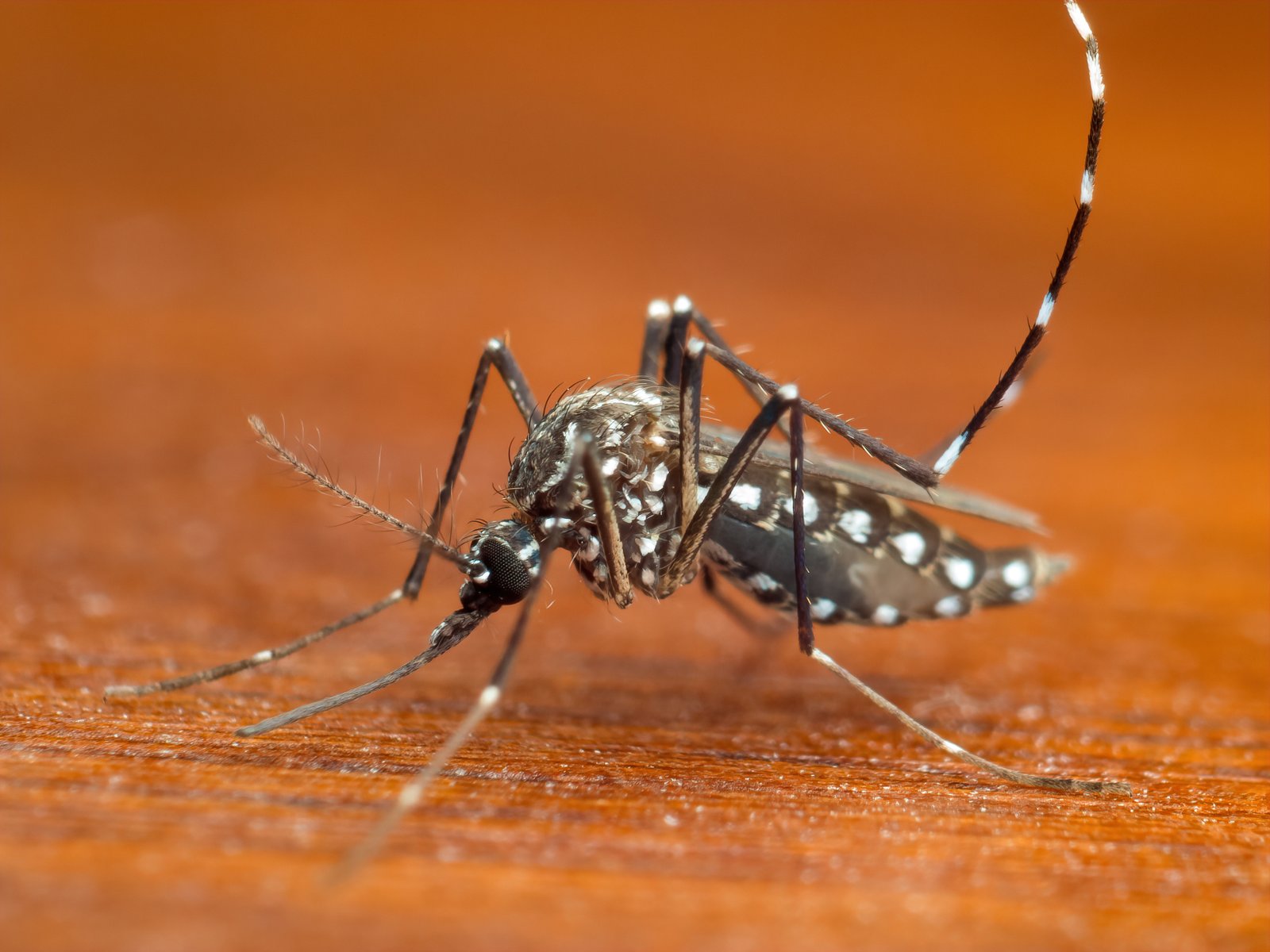
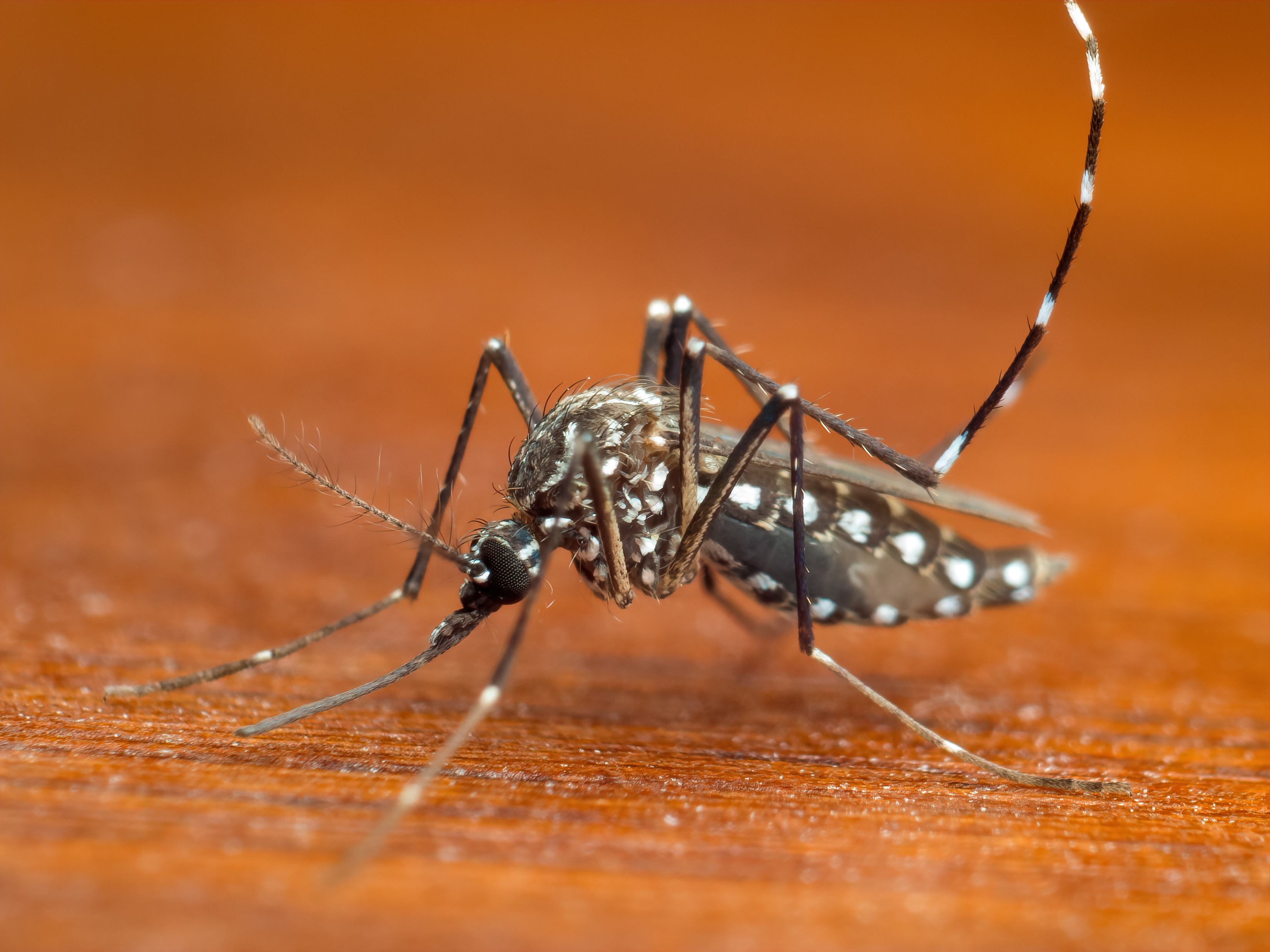
Dengue, sometimes called dengue fever, is caused by a collection of viruses carried by mosquitoes, primarily Aedes aegypti. Dengue is endemic in a wide swath of the tropics. Additionally, usually, most Americans who have the infection acquire it outside of the U.S. during travel. Therefore, dengue symptoms can occur 5-7 days after being bitten and range from mild to severe. They may include painful body aches as well as fever and can last up to 10 days.
However, in parts of the U.S. where Aedes aegypti mosquitoes live, they can bite infected people and start to spread the disease locally. “The general pattern that we see—and we’ve seen this for more than a decade now—is that there are frequent travel-associated cases” in Florida, says Johansson. Therefore, “We know we have the right vectors there, especially in southern Florida, where there’s lots of Aedes aegypti, and there is some local transmission that occurs. Usually that looks like just one or two cases, but sometimes there are small outbreaks.”
In 2009, when two locally acquired infections were identified in Key West, public-health surveillance revealed that a substantial share of people in the town had markers in their blood showing a recent encounter with dengue, even if they hadn’t had symptoms. That suggests that in an outbreak, dengue is likely to be infecting more people than might immediately be clear from case counts.
One distinctive feature of dengue, however, is that the second time someone is infected is likely to be much worse than the first. Sometimes a second infection can progress to dengue hemorrhagic fever, which can involve bleeding and a drop in blood pressure. Additionally, is sometimes fatal.
This pattern, where the second exposure is more dangerous than the first, has complicated attempts to vaccinate people against the disease. In 2017, Sanofi Pasteur, the manufacturer of the dengue vaccine Dengvaxia, alerted the government of the Philippines that serious dengue infections might occur in people who had received the vaccine as their first exposure to the disease. No dengue vaccine is currently available in the U.S.; Dengvaxia was available starting in 2019 but in 2025 the discontinued manufacturer. This cited low demand.
Will dengue become endemic in the U.S.?
So far, dengue has not established a permanent foothold in the continental U.S., says Johansson. There are a few reasons why that might be: large numbers of people in Florida, where Aedes aegypti thrive, stay within air-conditioned spaces when they’re most active. This means chains of transmission tend to be short.
And the mosquitoes themselves are not particularly adventurous. They tend to stay close to home, within about a 100-meter range, so “it takes people to move the virus around,” says Johansson. If someone who’s infected doesn’t travel, the virus doesn’t either.
How can you protect yourself from dengue?
There is no cure for dengue; the only treatments are for symptoms. If you are in an area with mosquitoes that can carry dengue, the best way to protect yourself is to avoid mosquito bites. Keep windows closed or use screens, cover as much of your skin as possible with clothing when outdoors. Additionally, use mosquito repellent, says Johansson.
Keep yards free of containers that could fill with water and serve as breeding zones for mosquitoes. You’ll have to be vigilant: “These mosquitoes in particular, they can breed in a plastic bag that’s collected a little bit of rainwater,” says Johansson.
Cooler weather brings relief. “We’re getting to the time of year when things are cooling down, so we should expect a decrease in transmission,” says Johansson. “However, it’s still hot in Florida right now”—so it’s not time to drop your guard yet.
About The Author