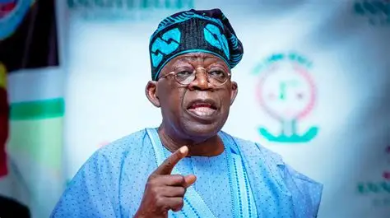
The All Progressives Congress (APC) Presidential Campaign Council (PCC) has identified fuel subsidy removal, tax reforms and local government autonomy as key policy achievements it intends to showcase in its efforts to secure support for President Bola Ahmed Tinubu’s re-election bid in 2027.
The campaign council’s position places the administration’s economic and governance reforms at the centre of its planned messaging ahead of the next general election. The identified policies have shaped major national discussions about public spending, taxation, grassroots development and the distribution of resources across Nigeria.
By highlighting these measures, the council intends to present the administration’s policy direction as a central part of its case for another term. However, the broader public assessment of the reforms will also depend on their implementation, measurable outcomes and effects on households, businesses and public institutions.
Fuel Subsidy Removal Takes Centre Stage
The removal of the petrol subsidy was one of Tinubu’s earliest major policy decisions after assuming office in May 2023. The move ended the government’s previous approach of subsidising petrol prices, with the administration arguing that the policy had placed a substantial burden on public finances.
Supporters of the decision have argued that reducing subsidy expenditure could free resources for infrastructure, social programmes and other public priorities. The policy has also altered the economics of fuel pricing, making petrol prices more responsive to market conditions.
However, subsidy removal has had significant consequences for households and businesses. Higher fuel costs have contributed to transportation and operating expenses, while the broader effects on prices have remained an important concern for consumers.
For the campaign council, the policy provides an opportunity to explain the administration’s rationale for changing the subsidy system and outline how the resulting fiscal space is being used. A fuller assessment would require clear figures on savings, expenditure allocations and the benefits delivered to citizens.
Tax Reforms and Revenue Administration
Tax reform is another policy area the APC campaign council intends to emphasise.
Nigeria’s tax system has faced longstanding concerns over complexity, compliance costs, overlapping levies and the distribution of tax responsibilities across different levels of government. Reform efforts have sought to improve administration, strengthen compliance and establish a more coherent framework for revenue collection.
The administration has presented tax reform as part of a wider effort to strengthen public finances and support economic activity. Effective implementation could improve revenue administration and provide a more predictable environment for individuals and businesses.
Nevertheless, the impact of tax changes depends on their design and application. Businesses may face adjustment costs, while households and smaller enterprises are likely to pay close attention to how changes affect their obligations and disposable income.
As the APC prepares to highlight the reforms, details on implementation, compliance, revenue performance and the treatment of small businesses will be important in explaining their practical effects.
Local Government Autonomy and Grassroots Governance
Local government autonomy is the third major policy area identified by the campaign council.
The question of financial and administrative independence for local councils has remained central to debates about grassroots governance in Nigeria. Local governments are responsible for services and development needs that directly affect communities, including aspects of primary healthcare, local roads, sanitation and community infrastructure.
Greater financial autonomy is intended to strengthen the ability of councils to manage their resources and carry out their responsibilities. In May 2024, the Supreme Court delivered a landmark judgment on local government financial autonomy, reinforcing the constitutional position of elected local councils and addressing the handling of their funds.
The practical impact of autonomy, however, depends on implementation, accountability and the capacity of local administrations to manage public resources effectively.
For residents, the key measure will be whether changes in funding arrangements translate into better services, more responsive local leadership and visible development at the community level.
Policy Achievements and the 2027 Election
The decision to foreground these policies reflects the importance of the administration’s record in the political conversation ahead of the 2027 election.
Campaign organisations typically use policy achievements to explain their candidates’ priorities, defend major decisions and present their plans for the future. In this case, the APC campaign council has identified economic restructuring, tax administration and grassroots governance as central themes.
The presentation of these policies will form part of the political debate in which voters assess the administration’s decisions alongside their personal experiences of economic conditions and public services.
The distinction between announcing a reform and demonstrating its results will be important. Voters may consider the stated objectives of each policy, the costs associated with implementation and the extent to which promised benefits have reached different groups.
Public Impact Will Remain Central to the Debate
Fuel subsidy removal, tax reform and local government autonomy involve different policy objectives, but all have implications for Nigeria’s public finances and the relationship between government and citizens.
The subsidy decision concerns government spending and petroleum pricing. Tax reform concerns how public revenue is collected and administered, while local government autonomy concerns the management of resources and delivery of services at the grassroots.
As the APC campaign council prepares to feature these issues in its 2027 re-election campaign, the debate is likely to involve both the administration’s stated achievements and questions about their implementation and effects.
Ultimately, the political significance of the three policy areas will depend not only on how the campaign council presents them, but also on the evidence available to the public about their outcomes, costs and benefits.
About The Author