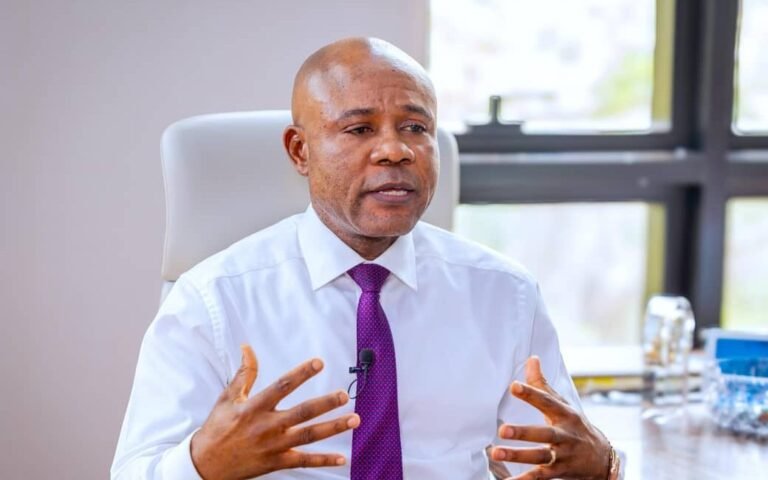

A coalition of civil society organisations has called on President Bola Ahmed Tinubu and First Lady Oluremi Tinubu to distance themselves from individuals facing corruption allegations and ongoing legal scrutiny in order to safeguard the integrity and public image of the administration.
The groups argued that public confidence in government institutions depends heavily on transparency, accountability and ethical leadership.
According to the coalition, political leaders must demonstrate strong commitment to integrity by avoiding associations capable of raising public concerns about governance standards and anti-corruption efforts.
The organisations stressed that public perception remains important in democratic governance because trust influences citizen confidence in institutions and government policies.
Integrity and Public Confidence in Governance
Across democratic societies, integrity and accountability remain central expectations of public leadership.
Citizens often judge administrations not only by policies and development projects but also by the ethical standards maintained by public officials and political associates.
The coalition noted that allegations involving corruption, even before legal conclusions are reached, can affect public perception and generate concerns regarding transparency and institutional credibility.
Therefore, the groups urged the administration to maintain clear ethical boundaries while reinforcing its commitment to responsible governance and anti-corruption principles.
According to the coalition, visible commitment to accountability can strengthen public trust and improve confidence in government institutions.
The Role of Civil Society in Democratic Accountability
Civil society organisations continue to play important roles within democratic systems by promoting transparency, policy advocacy and public accountability.
Such groups frequently engage governments on issues involving governance, human rights, anti-corruption reforms and institutional performance.
The coalition explained that its position reflects broader concerns about maintaining high ethical standards within public office and protecting the credibility of democratic institutions.
Observers note that active civic engagement remains essential for strengthening democracy because it encourages dialogue, oversight and citizen participation in governance processes.
Furthermore, civil society interventions often help sustain public conversations around transparency and institutional responsibility.
Anti-Corruption and Public Expectations
Corruption remains one of the most debated governance issues across many developing democracies, including Nigeria.
Successive governments have introduced reforms, policies and institutions aimed at combating financial misconduct and strengthening accountability mechanisms.
However, public expectations regarding integrity in leadership continue to remain high.
The coalition argued that administrations must consistently demonstrate commitment to ethical governance in both policy and public conduct.
According to the groups, maintaining distance from controversial figures can help reinforce anti-corruption messaging and protect institutional credibility.
They also emphasized the importance of ensuring that public office remains associated with transparency, professionalism and accountability.
Balancing Due Process and Public Perception
While the coalition raised concerns about associations with individuals facing allegations, legal experts frequently emphasize the importance of due process and the presumption of innocence under democratic systems.
Accusations alone do not constitute proof of wrongdoing, and courts remain responsible for determining legal outcomes.
Nevertheless, public perception often influences political discussions and institutional reputation regardless of legal status.
For this reason, governments and political leaders frequently exercise caution regarding public associations that could generate controversy or undermine confidence.
The coalition maintained that ethical leadership requires careful consideration of both legal principles and public expectations.
The Importance of Institutional Reputation
Political administrations rely significantly on public trust to implement reforms, maintain legitimacy and encourage citizen cooperation.
Reputation therefore becomes an important component of governance effectiveness.
Analysts note that governments perceived as transparent and accountable often enjoy stronger public support and greater credibility both domestically and internationally.
Consequently, actions capable of strengthening integrity and reducing reputational concerns may contribute positively to broader governance objectives.
The coalition urged the administration to continue promoting ethical standards that reflect the values of transparency, accountability and responsible leadership.
Looking Ahead
The call by the coalition of civil society organisations for President Bola Ahmed Tinubu and First Lady Oluremi Tinubu to distance themselves from individuals facing corruption allegations highlights the continuing importance of integrity and public trust within democratic governance.
As Nigeria continues pursuing reforms, economic development and institutional strengthening, issues surrounding transparency and accountability are likely to remain central within public discourse.
For many observers, maintaining strong ethical standards within leadership structures remains essential for reinforcing confidence in governance and sustaining democratic credibility.
Ultimately, the conversation reflects a broader national expectation that public institutions and leaders should consistently uphold values capable of strengthening trust, accountability and national confidence.
About The Author