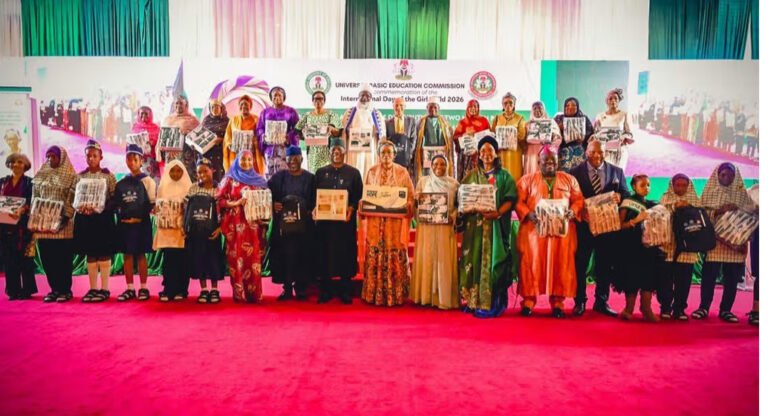
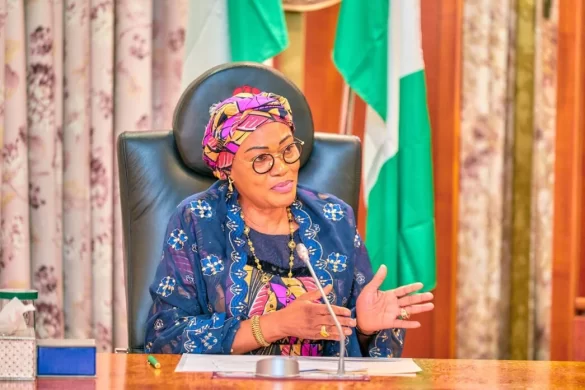
Nigeria’s First Lady, Oluremi Tinubu, alongside governors across the country, marked the 2026 Children’s Day celebration with renewed calls for stronger child protection policies, greater inclusion and increased investment in the welfare and education of children.
The celebration provided another opportunity for national reflection on the importance of nurturing young Nigerians and creating environments that allow them to grow, learn and thrive safely.
Across different states, government officials emphasized that children remain central to the country’s future and therefore deserve quality education, healthcare, protection and equal opportunities regardless of background or circumstance.
Leaders also stressed that meaningful national development depends heavily on how effectively societies invest in the next generation.
Children Represent the Nation’s Future
Children’s Day remains one of the most symbolic national celebrations dedicated to recognizing the importance of young people within society.
Every year, schools, communities and government institutions use the occasion to highlight issues affecting children while encouraging policies that support their growth and development.
The First Lady noted that children carry the hopes, aspirations and future leadership of the country. Therefore, protecting their rights and supporting their education must remain national priorities.
According to her, governments, families and communities all share responsibility for ensuring that children grow within environments that promote safety, dignity, learning and personal development.
She also emphasized the importance of raising children with strong moral values, discipline and self-confidence.
Education as a Tool for Empowerment
Education remained one of the central themes highlighted during the celebration.
Governors and public officials across the country stressed that quality education continues to serve as one of the strongest tools for reducing poverty, expanding opportunities and strengthening national development.
Children who receive proper education are often better prepared to contribute positively to society, pursue productive careers and become responsible citizens.
Consequently, many state governments reaffirmed commitments to improving school infrastructure, expanding access to education and strengthening policies that encourage enrollment and retention.
The leaders noted that investment in education should not focus only on physical infrastructure but also on teacher development, digital learning opportunities and safe learning environments.
The Importance of Child Protection
Beyond education, the celebration also renewed focus on child protection and welfare.
Many leaders expressed concern about issues affecting children, including abuse, exploitation, neglect, insecurity and barriers to education.
The First Lady stressed that every child deserves protection from violence, discrimination and harmful social conditions capable of limiting their potential.
Governors similarly called for stronger collaboration among government institutions, parents, schools, civil society groups and communities to safeguard children’s rights and well-being.
According to them, protecting children requires continuous awareness, stronger legal frameworks and consistent social support systems.
Promoting Inclusion and Equal Opportunity
Inclusion also featured prominently in discussions surrounding the 2026 Children’s Day celebration.
Public officials emphasized that every child deserves equal opportunities regardless of gender, economic status, disability, religion or geographical location.
The First Lady encouraged Nigerians to create a society where all children can access education, healthcare and opportunities necessary for personal growth and future success.
Inclusive development, she noted, strengthens national unity and social stability by ensuring that no child feels excluded from the country’s progress.
Furthermore, leaders stressed the importance of supporting vulnerable children and expanding programmes designed to reduce inequality and improve access to essential services.
Supporting Mental and Emotional Well-Being
Beyond physical welfare and education, several leaders also highlighted the importance of emotional and psychological support for children.
Modern social pressures, economic hardship and insecurity can affect children’s confidence, mental health and overall development.
As a result, parents, schools and communities were encouraged to provide supportive environments where children feel safe, valued and encouraged to pursue their aspirations.
Positive mentorship, family support and access to recreational and educational opportunities were identified as important components of healthy child development.
A Collective Responsibility
The celebration also reinforced the idea that raising and protecting children requires collective effort.
While governments play important roles through policies and investment, families and communities remain equally important in shaping children’s values, behaviour and future outlook.
Leaders therefore encouraged parents and guardians to remain actively involved in their children’s education and personal development.
Community institutions, religious organisations and civil society groups were also urged to continue supporting initiatives that promote child welfare and youth empowerment.
Looking Ahead
The 2026 Children’s Day celebration led by Oluremi Tinubu and governors across Nigeria highlighted renewed commitment toward protecting children, expanding educational opportunities and promoting inclusive development.
As the country continues confronting economic and social challenges, leaders maintain that sustained investment in children remains essential for building a stronger and more prosperous future.
Ultimately, the celebration served as both a moment of recognition and a reminder that the future strength of Nigeria will depend greatly on how effectively the nation nurtures, protects and empowers its young people today.
About The Author