Nigeria’s digital transformation will remain incomplete if millions of people in rural communities cannot access reliable internet services. While major cities continue to experience growing digital activity, many rural schools and primary healthcare centres still face significant connectivity challenges that limit access to information, modern learning resources and technology-enabled healthcare services.
Connecting 10,000 rural schools and primary health centres to high-speed internet represents an important opportunity to address this imbalance. Beyond providing internet access, the initiative could help transform how children learn, how teachers deliver lessons and how healthcare professionals serve communities that are often far removed from major hospitals and specialist medical facilities.
The proposal also aligns with Nigeria’s wider digital inclusion ambitions. Through initiatives such as Project BRIDGE, the Nigeria Universal Communication Access Project (NUCAP) and the expansion of the Nigerian Research and Education Network (NgREN), the Federal Government is pursuing broader connectivity improvements across the country.
However, connecting rural institutions requires more than installing internet equipment. Reliable electricity, affordable data, appropriate digital devices, teacher training, healthcare personnel capacity and sustainable maintenance arrangements must all form part of the strategy.
Why Rural Schools and Primary Health Centres Need High-Speed Internet
Access to the internet has become increasingly important in education, healthcare, business and public administration. Yet geographical inequalities continue to prevent many rural communities from benefiting fully from digital opportunities.
For rural schools, limited connectivity restricts access to online educational materials, digital libraries, interactive lessons and teacher development resources. Students may have fewer opportunities to develop the digital skills required for further education and employment.
The situation also affects primary healthcare centres. Health workers in underserved communities may struggle to access updated clinical information, communicate with specialists, maintain digital records or coordinate referrals to larger medical facilities.
Connecting these institutions can therefore deliver benefits beyond internet access. It can strengthen essential public services and give rural communities greater opportunities to participate in Nigeria’s growing digital economy.
Transforming Education Through Connected Rural Schools
High-speed internet can change the learning experience in rural schools by giving students and teachers access to educational resources that may not be available within their immediate communities.
Students could use digital libraries, educational videos, online learning platforms and interactive teaching materials to supplement classroom instruction. Teachers could access professional development programmes, participate in virtual training and introduce more engaging methods of delivering lessons.
Connectivity could also improve access to educational opportunities for students preparing for examinations and pursuing higher education. Where appropriate devices and supervision are available, learners could access online courses, research materials and digital skills programmes.
However, internet connectivity alone will not automatically improve educational outcomes. Schools need functional computers or tablets, reliable electricity, trained teachers and relevant learning materials. Without these supporting resources, broadband infrastructure may remain underused.
Nigeria’s National EdTech Strategy 2025–2030 recognises this interconnected approach by identifying digital infrastructure, teacher capacity, educational content, data systems and governance as important pillars of education transformation.
Improving Healthcare Delivery Through Connected Primary Health Centres
The healthcare benefits could be equally significant.
Primary healthcare centres serve as important access points for communities, particularly in rural areas where specialist hospitals may be located far away. Reliable internet connectivity could help healthcare workers communicate with medical professionals in larger facilities, access clinical guidance and coordinate patient referrals.
Telemedicine is one potential application. Through secure video consultations and other digital communication tools, health workers could seek advice from specialists without requiring every patient to travel immediately to a distant hospital.
Digital connectivity could also support electronic health records, disease surveillance, health information management, staff training and the exchange of relevant medical information.
For example, a rural health worker managing a patient with a complicated medical condition could use a secure communication platform to consult a specialist and arrange an appropriate referral. This could improve coordination and help reduce delays in accessing professional medical advice.
The Universal Service Provision Fund (USPF) already identifies e-health as an important area of intervention. Its programme outlines the use of ICT to connect rural primary healthcare facilities with secondary healthcare institutions, enabling consultations, referrals and professional support.
Nevertheless, digital healthcare must operate within appropriate patient confidentiality, data protection and clinical governance requirements. Internet access should support qualified healthcare professionals, not replace necessary physical examinations or emergency medical services.
Building on Nigeria’s Digital Infrastructure Initiatives
The proposed connection of 10,000 rural schools and primary health centres should be viewed within the context of Nigeria’s broader efforts to expand broadband infrastructure and improve digital inclusion.
One major initiative is Project BRIDGE, which seeks to deploy at least 90,000 kilometres of fibre-optic infrastructure across the country. The Federal Ministry of Communications, Innovation and Digital Economy describes the project as a public-private partnership designed to expand Nigeria’s national broadband backbone and improve connectivity across underserved areas.
The project is expected to support schools, healthcare facilities, businesses and households, while strengthening the infrastructure needed for a more connected economy.
Another important intervention is NUCAP, the Nigeria Universal Communication Access Project. In October 2026, the Federal Government commissioned its first tower in Bende Local Government Area of Abia State. The nationwide programme is designed to deploy 3,700 telecommunications sites and extend reliable communications services to nearly 20 million Nigerians in underserved communities.
The first commissioning represents an important step towards improving connectivity in areas where commercial telecommunications investment has been limited.
The education sector is also preparing for wider connectivity through NgREN. In October 2026, the network announced plans to extend internet infrastructure to public primary and secondary schools, with a substantial rollout expected to begin in 2027.
The proposed expansion is expected to support online learning, digital teaching resources and technology-enabled educational services across underserved communities.
These initiatives provide a foundation for a broader rural connectivity programme. However, their successful implementation will depend on coordination between federal and state governments, telecommunications operators, education authorities, healthcare agencies and development partners.
The Infrastructure Required to Connect 10,000 Institutions
Achieving meaningful connectivity across 10,000 rural institutions will require a carefully designed infrastructure model.
Fibre-optic networks can provide high-capacity connectivity where infrastructure is available. However, extending fibre to every remote community may be expensive and time-consuming. Mobile broadband, fixed wireless systems and satellite internet may therefore provide practical alternatives in locations where fibre deployment is not immediately feasible.
The most appropriate technology should depend on geographical conditions, network availability, institutional needs and long-term operating costs.
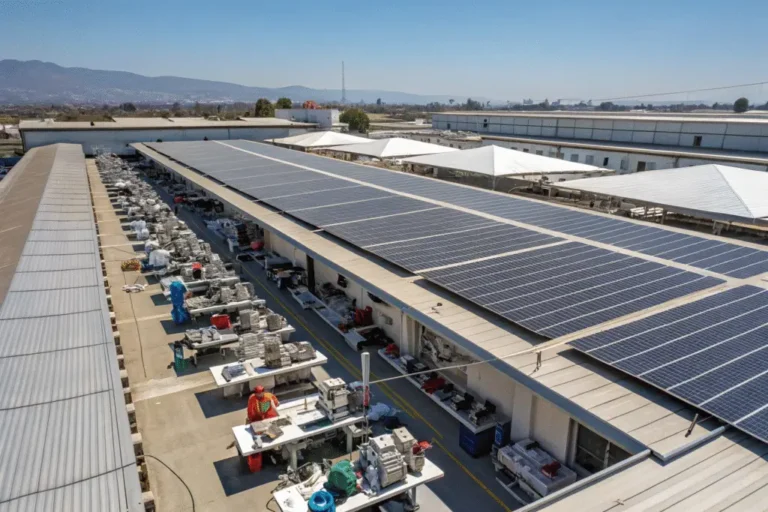
Electricity is another essential requirement. Rural schools and healthcare centres cannot benefit consistently from internet services if their equipment and devices remain without power. Solar power systems, battery storage and other reliable electricity solutions should therefore be incorporated into the implementation plan.
Each institution should also receive the equipment needed to use the connection effectively. Schools may require computers, tablets, wireless access points and secure local networks. Primary health centres may need connected workstations, appropriate medical devices and secure systems for managing patient information.
The programme should also provide technical support, routine maintenance and replacement arrangements to ensure that installed equipment remains operational.
Funding and Partnerships Will Determine Sustainability
Connecting 10,000 institutions will require significant investment. Government funding alone may not be sufficient to cover infrastructure deployment, equipment procurement, internet subscriptions, electricity and long-term maintenance.
Public-private partnerships could provide a practical financing structure by bringing together government agencies, telecommunications operators, technology companies, development institutions and private investors.
Government could identify priority locations, coordinate public institutions and provide policy support, while private operators and infrastructure companies contribute network deployment, technical expertise and service delivery.
Development finance institutions could also support infrastructure investments, particularly in communities where commercial returns may be insufficient to attract private investment independently.
However, funding should not focus exclusively on initial installation. A school that receives internet equipment but cannot afford its monthly subscription may eventually lose access. Similarly, a healthcare centre without funds for technical support may experience prolonged service interruptions.
A sustainable financing framework should therefore cover the full cost of ownership, including installation, electricity, connectivity subscriptions, repairs, cybersecurity and equipment replacement.
Addressing the Challenges of Rural Connectivity
Despite the opportunities, several challenges could affect the implementation of a nationwide rural connectivity programme.
Poor electricity supply: Many rural institutions require dependable power solutions before they can operate computers, routers and other digital equipment consistently.
High deployment costs: Connecting remote communities can involve significant infrastructure expenses, particularly where roads, electricity and telecommunications networks are limited.
Affordability: Even when infrastructure is available, schools and healthcare centres may struggle to pay recurring internet subscription fees.
Limited digital skills: Teachers and healthcare workers need practical training to use digital tools effectively. Without adequate support, installed technology may remain underutilised.
Maintenance and equipment security: Damaged equipment, theft, network failures and inadequate technical support can undermine long-term service delivery.
Cybersecurity and data protection: Connected institutions must protect students’ information, patient records and other sensitive data against unauthorised access and misuse.
Addressing these challenges requires implementation plans that consider local conditions rather than applying the same technology and financing model to every community.
Measuring the Impact of the 10,000-Institution Connectivity Programme
The success of the initiative should not be measured simply by the number of schools and healthcare centres receiving internet equipment.
What matters is whether the connectivity improves access to education and healthcare.
For schools, important indicators could include the number of institutions with reliable internet access, the proportion of teachers trained in digital instruction, student access to digital learning materials and the frequency with which connected facilities are used.
For primary healthcare centres, performance indicators could include the availability of functional connectivity, the number of health workers trained, successful specialist consultations, improved referral coordination and the use of secure digital health records.
Government should also publish regular implementation reports showing which communities have been connected, the quality of service delivered, the cost of deployment and the status of maintenance arrangements.
Independent monitoring would help strengthen accountability and ensure that public resources deliver measurable benefits.
Conclusion: Making Digital Inclusion Reach Every Community
Connecting 10,000 rural schools and primary health centres to high-speed internet could become an important step towards reducing Nigeria’s digital divide. It offers an opportunity to expand access to educational resources, strengthen primary healthcare delivery and provide underserved communities with greater participation in the digital economy.
Nigeria’s wider connectivity initiatives, including Project BRIDGE, NUCAP and the planned expansion of NgREN, demonstrate the importance of building a stronger national digital infrastructure.
However, the real measure of success will be what happens after the connection is installed. Rural schools need devices, trained teachers and relevant learning materials. Primary health centres need electricity, secure digital systems, trained healthcare workers and reliable access to specialist support.
With effective coordination, sustainable funding and transparent implementation, rural connectivity can become more than an infrastructure achievement. It can become a practical investment in better education, stronger healthcare services and more equal opportunities for Nigerians, regardless of where they live.
About The Author