For many Nigerian tailors, fashion designers and garment makers, the cost of electricity has become a major obstacle to business growth. Frequent power interruptions, expensive fuel and the need to maintain generators often force artisans to spend a significant portion of their earnings simply keeping their machines running. These expenses can increase the price of finished garments, delay customer orders and limit the number of products small businesses can manufacture.
Against this background, the Federal Government, through the Small and Medium Enterprises Development Agency of Nigeria (SMEDAN), has partnered with the United Nations Development Programme (UNDP) to introduce solar-powered garment production facilities designed to reduce the operating burden on small businesses.
The initiative, which includes the solarisation of SMEDAN’s Garment and Fashion Hub in Idu, Abuja, represents an effort to connect clean energy with practical industrial support. By providing artisans with access to electricity and modern production equipment, the programme seeks to make garment manufacturing more affordable, improve productivity and strengthen Nigeria’s local fashion industry.
Solar Energy Meets the Needs of Garment Entrepreneurs
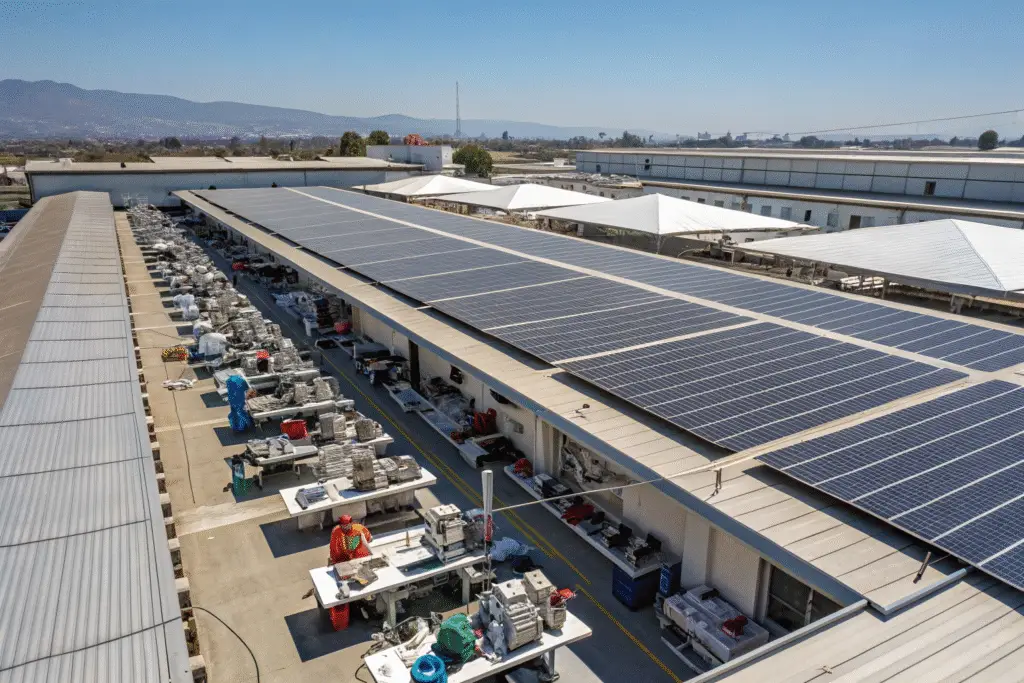
The SMEDAN-UNDP initiative received a major boost in February 2025 with the launch of a 120 kVA solar-powered mini-grid at the agency’s garment and fashion facility in Idu, Abuja.
According to UNDP, the installation includes a hybrid mini-grid inverter system and a 240 kWh lithium battery, providing a more reliable electricity supply for entrepreneurs using the centre.
The intervention addresses one of the most persistent challenges facing small garment businesses: access to dependable power. Sewing machines, embroidery equipment, cutting tools and other production machinery require consistent electricity to operate efficiently.
For artisans working independently, maintaining this supply can involve purchasing generators, buying fuel, paying for machine maintenance and dealing with interruptions when electricity becomes unavailable.
The shared solar-powered facility changes this arrangement by providing access to production equipment and electricity without requiring every entrepreneur to make the same individual investment.
SMEDAN’s Director-General, Charles Odii, explained that businesses using the facility could book machines and work without bearing the usual costs associated with purchasing and maintaining equipment or providing their own power.
This shared-facility model allows entrepreneurs to concentrate more of their resources on materials, labour, product development and customer acquisition.
Understanding the 50 Per Cent Cost Reduction Claim
The prospect of cutting production costs by 50 per cent is an important selling point for solar-powered garment production, particularly for artisans operating with limited capital. However, the publicly available information on the SMEDAN-UNDP facility does not establish a verified 50 per cent reduction in total production costs across its beneficiaries.
What the initiative demonstrably addresses is a range of expenses that normally affect garment businesses, including electricity, machine acquisition and maintenance. Removing or reducing these costs can improve business margins, although the actual savings will vary according to production volume, electricity consumption, material prices and labour requirements.
For example, an artisan who previously spent money on generator fuel and equipment maintenance may have more funds available for purchasing fabric or accepting additional orders after gaining access to the shared facility.
A business that produces garments in larger quantities could also benefit from fewer power interruptions and more predictable production schedules.
To establish a reliable 50 per cent savings figure, however, the programme would need to compare beneficiaries’ operating costs before and after using the facility. Such an assessment should account for electricity, equipment, maintenance, labour and other major production expenses.
Modern Equipment and Shared Production Infrastructure
Access to solar electricity is only one part of the programme. The garment hub also provides entrepreneurs with access to modern production machinery, allowing them to undertake work without purchasing every piece of equipment independently.
The Abuja facility has been reported to house 120 machines, providing opportunities for multiple businesses to use shared production resources.
This arrangement is particularly relevant to young fashion entrepreneurs who possess technical skills but lack the financial resources to establish fully equipped workshops.
Instead of waiting until they can afford industrial machinery, artisans can access equipment through the hub and use their available capital to develop their businesses.
The initiative also connects production with warehousing and distribution support. SMEDAN announced partnerships with the Nigeria Postal Service and God Is Good Logistics to provide participating small businesses with discounted delivery arrangements.
These services address another challenge facing garment entrepreneurs: getting finished products to customers beyond their immediate communities.
By combining electricity, machinery, production space and distribution support, the model seeks to address several obstacles that can prevent small garment businesses from expanding.
A Garment Hub with Wider Economic Benefits
The potential impact of the initiative extends beyond individual tailors and fashion designers. A more reliable garment production environment can support employment, encourage local manufacturing and strengthen connections across the textile value chain.
During the February 2025 launch, SMEDAN highlighted the employment potential of the facility, with its 120 machines expected to support substantial direct and indirect job opportunities.
The agency also cited the experience of a fashion entrepreneur who mobilised 280 designers to produce 37,000 medical scrubs. The example demonstrated how organised production capacity can help local businesses respond to large orders that may be difficult for individual artisans to fulfil independently.
Such opportunities are important because the garment industry depends on several interconnected activities, including fabric supply, cutting, sewing, embroidery, packaging, transportation and retail distribution.
When production hubs help artisans undertake larger orders, they can create additional demand for workers and businesses involved in these activities.
The approach could also improve the ability of Nigerian garment makers to serve institutional customers, including organisations that require uniforms, protective clothing and other specialised garments.
Expanding the Model Beyond Abuja
The Abuja facility forms part of a broader effort by SMEDAN and its partners to support small businesses through shared infrastructure and renewable energy.
At the time of the February 2025 launch, the agency indicated that similar initiatives had been introduced in Katsina and Osun State, while plans were being considered to extend the model across the remaining states and the Federal Capital Territory.
Expanding such facilities could provide more artisans with access to production equipment and reliable electricity, particularly in locations where small businesses face high energy costs.
However, successful expansion will require more than installing solar panels and purchasing sewing machines. Each hub must have effective management, adequate technical support, maintenance arrangements and a clear system for allocating equipment to entrepreneurs.
The facilities must also respond to local business needs. A garment hub serving a major tailoring cluster may require different equipment and production arrangements from one operating in a smaller community.
Consistent access to fabrics, accessories and other production materials will also be important to ensure that artisans can make full use of the available infrastructure.
Why Clean Energy Matters for Local Manufacturing
Solar-powered garment hubs demonstrate how renewable energy can support productive economic activities rather than serving only as an alternative source of household electricity.
For small manufacturers, dependable energy directly affects production schedules, operating expenses and the ability to fulfil customer orders. When businesses spend less time dealing with power interruptions, they can devote more attention to improving product quality and expanding their customer base.
Clean energy can also reduce dependence on petrol and diesel generators, although the environmental and financial benefits depend on the design, maintenance and long-term performance of the solar installations.
The model is relevant to other artisan-based industries as well. Leatherworkers, furniture makers, food processors and other small manufacturers also require reliable electricity to operate machinery and maintain production.
Consequently, the experience of the garment hub could offer useful lessons for future interventions targeting other productive business clusters.
Making the Benefits Sustainable
For solar-powered garment hubs to deliver lasting economic benefits, their operators must maintain the equipment, manage energy demand and ensure that entrepreneurs have continuous access to the facilities.
Solar installations require regular monitoring, while batteries, inverters and production machinery need appropriate maintenance. Without these arrangements, the reliability that makes the hubs attractive could gradually decline.
It will also be important to monitor how many businesses use the facilities, how much production they undertake and whether their operating costs actually fall. Transparent performance data would help determine the extent to which the initiative improves productivity and business profitability.
The 50 per cent cost-reduction figure should therefore be treated as an outcome to verify through beneficiary-level data rather than an established result for every artisan.
A New Opportunity for Nigeria’s Fashion Industry
Nigeria’s fashion and garment industry has significant potential to create employment, support local manufacturing and develop products for domestic and regional markets. However, small businesses need more than technical skills and entrepreneurial ambition to compete. They also require affordable electricity, modern equipment, reliable production facilities and access to customers.
The SMEDAN-UNDP solar-powered garment hub offers a practical approach to addressing some of these constraints by combining renewable energy with shared machinery and business support.
As similar initiatives develop, their success will depend on consistent management, measurable cost savings and the ability to help artisans move from small-scale production to sustainable commercial operations.
Ultimately, clean energy can become an important tool for industrial development when it powers businesses that create products, employ workers and generate income. By bringing reliable electricity closer to Nigeria’s artisans, solar-powered garment hubs can help strengthen local production and make the country’s fashion industry more competitive.
About The Author