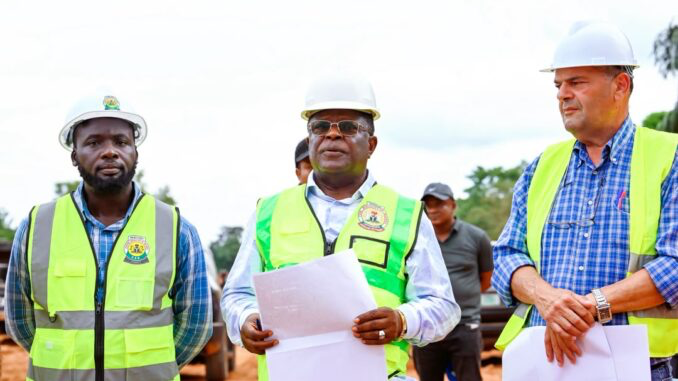
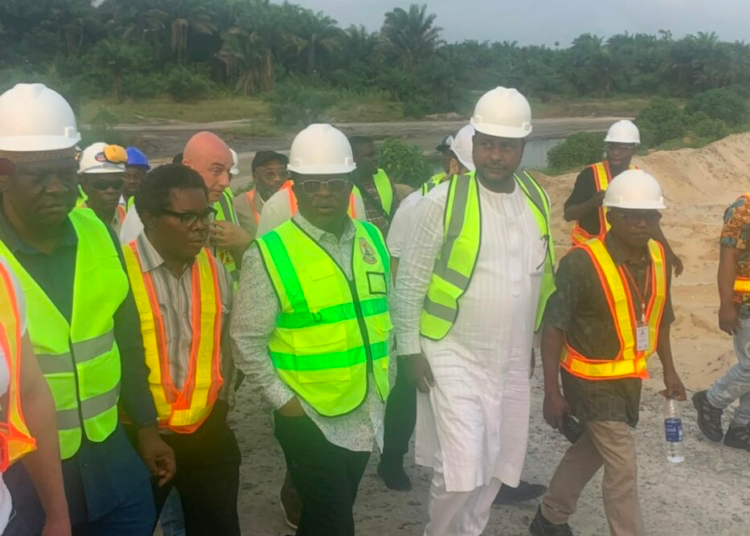
The Federal Government has assured Nigerians that the Lagos-Calabar Coastal Highway will be completed according to schedule, while defending the decision to modify the project’s original alignment.
Government officials explained that the adjustments to the route were made following technical assessments and engineering considerations aimed at ensuring the long-term success, safety, and sustainability of the landmark infrastructure project.
Furthermore, the government reaffirmed its commitment to delivering the highway within the planned timeline, describing the project as one of the country’s most strategic infrastructure investments designed to improve transportation, stimulate economic activities, and enhance regional connectivity.
According to officials, large-scale infrastructure projects often require design modifications during implementation to address engineering realities, environmental concerns, existing developments, and other technical factors that emerge as construction progresses.
The assurance comes amid public discussions regarding changes to sections of the project’s original alignment, with the government maintaining that the adjustments remain consistent with the project’s broader development objectives.
Commitment to Timely Completion
The Federal Government reiterated its commitment to completing the highway as planned.
Furthermore, officials stated that construction activities continue across various sections of the project in line with established implementation schedules.
Timely delivery remains a priority.
Infrastructure requires consistent execution.
Progress supports national development.
Why the Alignment Changed
Officials explained that adjustments became necessary during implementation.
Furthermore, engineering assessments and technical evaluations informed the revised alignment to improve the project’s overall effectiveness.
Technical decisions improve infrastructure.
Engineering ensures long-term sustainability.
Planning adapts to realities.
Boosting National Connectivity
The Lagos-Calabar Coastal Highway is expected to improve transportation across several coastal states.
Furthermore, enhanced road connectivity supports trade, tourism, logistics, and economic integration throughout the region.
Road networks stimulate commerce.
Improved mobility encourages investment.
Connectivity supports growth.
Supporting Economic Development
Major infrastructure projects contribute significantly to economic expansion.
Furthermore, improved transportation corridors reduce travel time, lower logistics costs, and enhance access to markets.
Infrastructure strengthens productivity.
Efficient transport supports businesses.
Development creates opportunity.
Looking Ahead
The Federal Government’s assurance that the Lagos-Calabar Coastal Highway remains on schedule reflects its continued commitment to delivering one of Nigeria’s most ambitious infrastructure projects. Furthermore, officials maintain that the changes to the highway’s alignment were based on technical and engineering considerations intended to strengthen the project’s long-term success.
As construction progresses, continued engagement with stakeholders, transparent communication, and effective project implementation will remain essential to ensuring that the highway delivers its intended benefits of improved connectivity, economic growth, regional integration, and sustainable national development.
About The Author