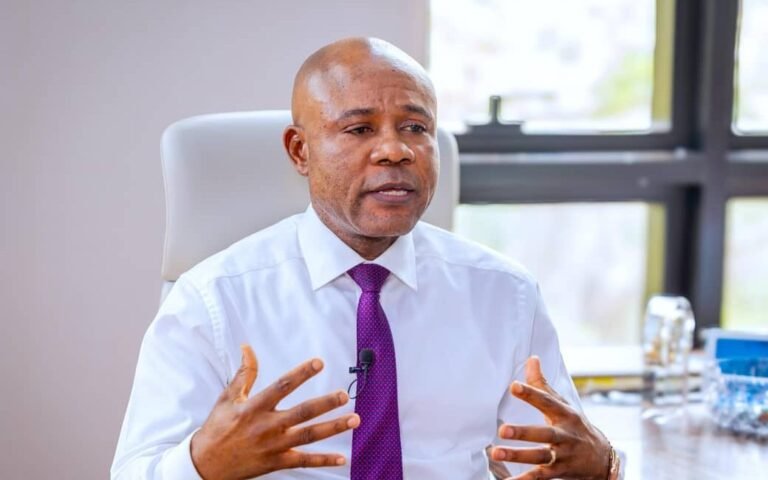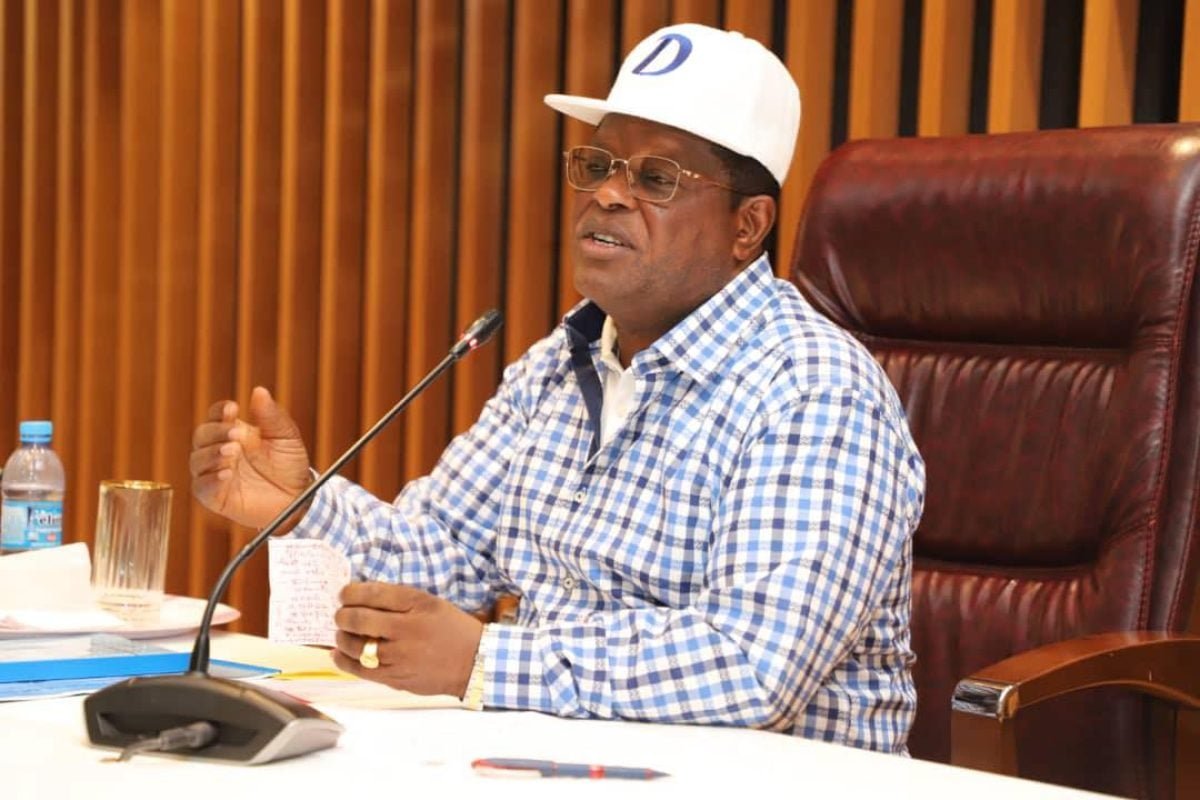
The Minister of Works, David Umahi, has said the Federal Government is executing 5,500 kilometres of new and ongoing road projects across Nigeria, with Niger State accounting for 1,055 kilometres.
The minister’s disclosure highlights the scale of the Federal Government’s road infrastructure programme and the distribution of projects across different parts of the country.
Road infrastructure remains an important component of Nigeria’s development priorities, supporting the movement of people and goods, connecting communities to markets and improving access to essential services.
The figures cited by Umahi also place Niger State prominently within the reported portfolio of federal road projects, although the total length of projects does not, by itself, establish their completion status or the benefits already delivered to communities.
Niger State Accounts for 1,055 Kilometres
According to Umahi, Niger State accounts for 1,055 kilometres of the 5,500 kilometres of new and ongoing road projects being executed nationwide.
The scale of the reported allocation draws attention to the importance of road connectivity in a state with extensive territory and communities spread across different locations.
Road development can improve links between rural settlements and urban centres, support agricultural activities and reduce difficulties associated with transporting goods to markets. Better connectivity can also make it easier for residents to reach schools, healthcare facilities and other essential services.
However, the benefits depend on the location of individual projects, their engineering quality, construction progress and eventual maintenance.
The distinction between new projects and ongoing works is also important when assessing the overall programme. While newly initiated roads may still be at early stages, ongoing projects may be at different points of construction, depending on funding, technical requirements and other implementation factors.
Road Infrastructure and Economic Activity
Roads play a central role in Nigeria’s transport system, linking agricultural communities, commercial centres, industrial areas and major population centres.
For farmers and traders, reliable roads can reduce transportation difficulties and improve access to buyers. Businesses also depend on road networks to move raw materials, finished products and equipment between locations.
Poor road conditions, by contrast, can increase vehicle operating costs, contribute to delays and make journeys more difficult, particularly during periods of heavy rainfall.
The Federal Government’s reported 5,500-kilometre project portfolio therefore raises broader questions about how infrastructure investments will improve connectivity and support economic activity across the country.
The eventual impact will depend not only on the number of kilometres under construction but also on whether the roads connect important economic routes and underserved communities.
Construction Progress and Project Delivery
Executing a large portfolio of road projects requires effective planning, sustained financing, coordination among contractors and government agencies, and monitoring of construction standards.
Projects may face different challenges, including difficult terrain, weather conditions, land-related issues and variations in construction costs. Addressing these challenges is important to maintaining progress and ensuring that public investments produce durable infrastructure.
For road projects to deliver their intended benefits, attention must also be given to drainage, erosion control, pavement quality and other engineering requirements.
These considerations are particularly relevant in areas where seasonal rainfall can damage poorly designed or inadequately maintained roads.
Transparent reporting on project locations, contract costs, completion timelines and implementation progress can help citizens assess how effectively infrastructure funds are being used.
Importance of Maintenance and Accountability
Beyond construction, the long-term value of road infrastructure depends on maintenance and effective asset management.
Roads that are not properly maintained can deteriorate, increasing the cost of repairs and reducing the benefits expected from the original investment.
Regular inspections, timely repairs and adequate maintenance funding can help preserve road quality and extend the useful life of infrastructure.
Accountability is equally important. Clear information about project milestones, expenditure and completion status can help government agencies identify delays and demonstrate progress to the public.
For communities affected by ongoing construction, timely communication about project schedules and temporary disruptions can also help residents and businesses plan their activities.
Assessing the Wider Impact of the Federal Road Programme
Umahi’s announcement provides an indication of the scale of the Federal Government’s reported road construction portfolio, with Niger State accounting for a substantial portion of the stated total.
Nevertheless, assessing the programme’s wider impact requires more detailed information about individual projects, including their locations, funding arrangements, construction stages and expected completion dates.
The number of kilometres being executed is an important measure of the programme’s scope, but it should be considered alongside indicators such as road condition, travel reliability, connectivity and the quality of completed works.
For Niger State and other parts of the country, the practical benefits will ultimately depend on how effectively projects are delivered and maintained.
As the Federal Government continues its reported road construction activities, attention will remain on implementation progress and the extent to which the investments translate into improved transportation, stronger economic links and better access to services for Nigerians.
About The Author