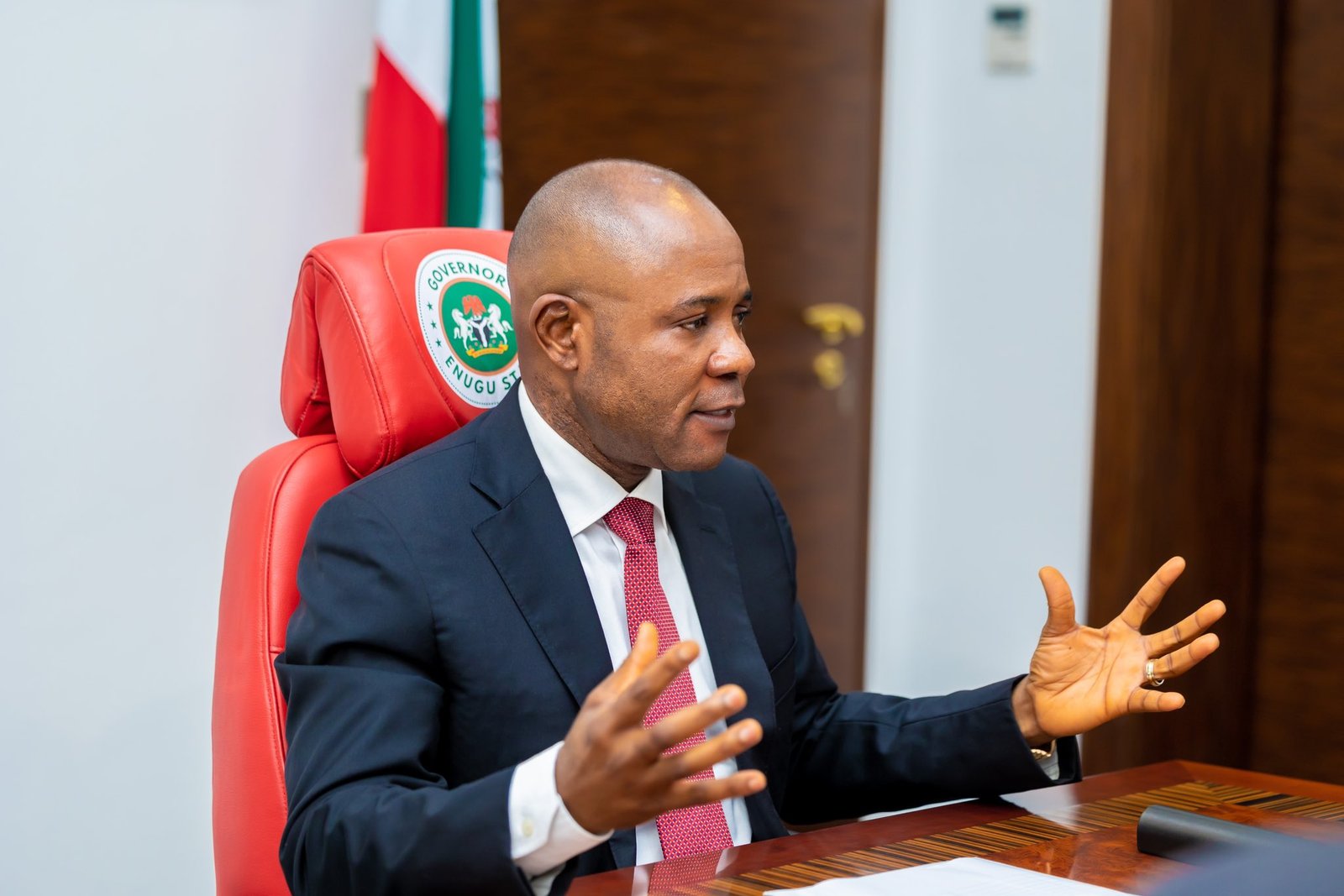
Three years ago, the rain that welcomed Governor Peter Mbah into office on May 29, 2023, symbolized hope, renewal and fresh expectations for the people of Enugu State.
However, barely 120 days into the administration, a major challenge emerged. A critical bridge linking Enugu to the southern part of the country collapsed, disrupting movement, slowing commercial activities and creating concerns among residents and businesses that depended on the route.
The incident quickly became one of the earliest and most significant tests of the new administration’s ability to respond to emergencies and maintain economic connectivity.
Responding to a Major Infrastructure Challenge
Infrastructure plays a crucial role in economic growth and social development. Therefore, the collapse of such an important transportation link had immediate consequences for commuters, traders and transport operators.
Rather than allowing the disruption to linger, the state government moved swiftly to address the challenge.
The administration recognized that restoring connectivity was essential not only for transportation but also for sustaining economic activities and preserving public confidence.
Consequently, efforts focused on finding practical solutions that would minimize hardship and accelerate recovery.
Infrastructure as a Development Priority
Since assuming office, Governor Mbah has consistently emphasized infrastructure development as a key pillar of his administration’s agenda.
Roads, bridges and transportation networks remain critical tools for attracting investment, expanding economic opportunities and improving access to essential services.
The bridge collapse therefore reinforced the importance of investing in resilient infrastructure capable of supporting long-term development.
Furthermore, the experience highlighted the need for proactive planning and rapid intervention whenever critical assets face unexpected challenges.
Building Confidence Through Action
Leadership is often measured by how effectively challenges are managed.
For many observers, the administration’s response demonstrated a commitment to action, problem-solving and service delivery.
Rather than allowing a major disruption to define the government’s early months, officials focused on restoring normalcy and maintaining momentum on broader development objectives.
As a result, the incident became an opportunity to demonstrate responsiveness and reinforce confidence in governance.
Moreover, the experience strengthened public conversations about the importance of infrastructure maintenance, modernization and resilience.
Looking Beyond the Challenge
Three years later, the bridge collapse remains a significant moment in the state’s recent history.
However, it also serves as a reminder that development often involves overcoming unexpected obstacles.
Supporters of the administration argue that the response reflected a determination to transform challenges into opportunities for improvement and growth.
Today, infrastructure development continues to occupy a central place in Enugu State’s development strategy as government pursues projects aimed at enhancing connectivity, supporting businesses and improving the quality of life for residents.
Looking Ahead
The early infrastructure setback that confronted Governor Peter Mbah shortly after taking office could have slowed the administration’s momentum.
Instead, it became a defining moment that underscored the importance of decisive leadership, strategic planning and sustained investment in critical infrastructure.
As Enugu State continues its development journey, the lessons from that period remain relevant: challenges are inevitable, but effective responses can transform adversity into progress.
For many residents, the focus now remains on ensuring that infrastructure investments continue to strengthen connectivity, drive economic growth and support the state’s long-term development ambitions.
About The Author