
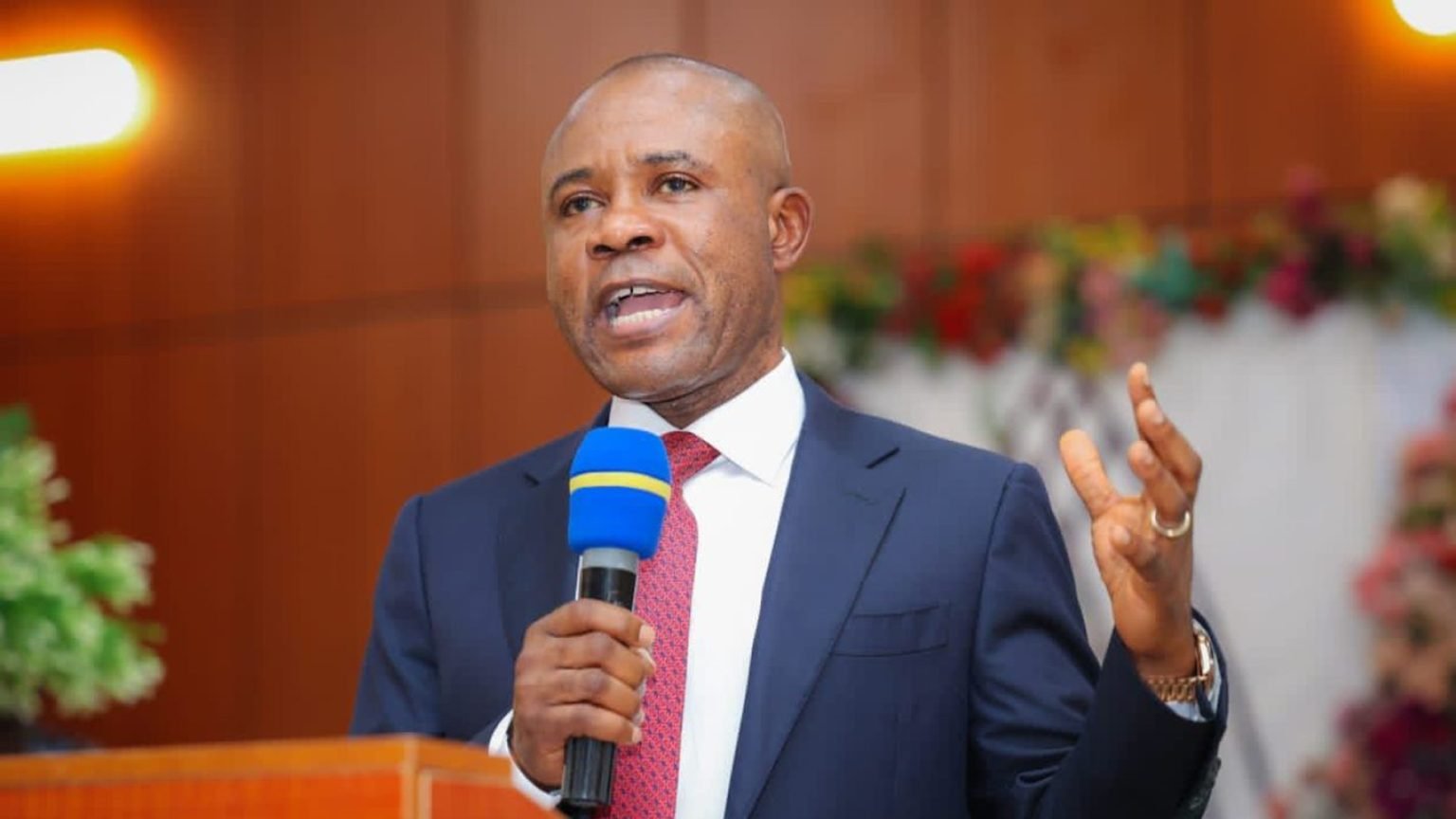
Governor Peter Mbah of Enugu State has unveiled the newly renovated and re-equipped Neonatal and Special Babies Ward at the Enugu State University of Science and Technology Teaching Hospital (ESUTH), Parklane, Enugu, as part of activities commemorating the 2026 Children’s Day celebration.
The upgraded facility reflects the state government’s continued investment in healthcare infrastructure and maternal and child health services aimed at improving healthcare delivery for newborns and vulnerable infants across the state.
The governor described healthcare as one of the major pillars of his administration’s development agenda, emphasizing that improved medical facilities remain essential for building a healthier and more productive society.
According to him, strengthening healthcare services for children represents an investment in the future of the state because healthy children form the foundation of long-term social and economic development.
Improving Healthcare for Newborns and Vulnerable Infants
Neonatal and special baby care units play a critical role in supporting newborns who require intensive medical attention shortly after birth.
Premature babies, infants with low birth weight and newborns experiencing medical complications often depend on specialized healthcare services and equipment for survival and recovery.
The newly renovated ward at ESUTH is expected to improve the hospital’s capacity to provide quality care for such infants while reducing pressure on healthcare workers and caregivers.
Modern medical equipment, improved treatment spaces and upgraded facilities can significantly enhance patient outcomes and strengthen overall healthcare efficiency.
Healthcare experts frequently emphasize that investments in neonatal care contribute directly to reducing infant mortality and improving long-term child health outcomes.
Healthcare Infrastructure as a Development Priority
The unveiling of the upgraded ward aligns with broader efforts by the Enugu State government to modernize public healthcare institutions and expand access to quality medical services.
Infrastructure development within the healthcare sector remains essential for improving patient care, supporting medical professionals and strengthening public confidence in government hospitals.
Governor Mbah reiterated that quality healthcare should remain accessible to citizens regardless of social or economic background.
Consequently, the administration continues investing in healthcare infrastructure, medical equipment, personnel development and service delivery improvements across various institutions in the state.
The government believes that stronger healthcare systems can improve quality of life while also supporting economic productivity and social stability.
Children’s Day and Child Welfare
The project unveiling during the Children’s Day celebration also highlights the importance of child welfare and healthcare within national development discussions.
Children’s Day serves not only as a celebration of young people but also as an opportunity to draw attention to issues affecting children’s health, education and overall well-being.
By commissioning the neonatal facility during the celebration, the government reinforced its message that protecting children and supporting early healthcare interventions remain key priorities.
Experts note that early childhood healthcare investments often produce long-term benefits by improving survival rates, supporting healthy development and reducing preventable medical complications.
Supporting Healthcare Workers and Families
Improved healthcare infrastructure also benefits doctors, nurses and healthcare professionals responsible for providing specialized treatment to newborns and vulnerable infants.
Modern facilities and equipment can improve working conditions, strengthen service delivery and enhance the ability of medical personnel to respond effectively to emergencies and complex cases.
For families, access to quality neonatal care often provides reassurance and hope during emotionally difficult periods involving medical complications affecting newborn children.
The upgraded ward therefore represents not only a physical renovation but also an important support system for healthcare workers, parents and vulnerable infants requiring specialized attention.
A Broader Vision for Social Development
Governor Mbah’s administration continues to emphasize social sector investment as part of its broader development strategy.
Beyond healthcare, the government has repeatedly highlighted the importance of education, infrastructure, transportation, economic growth and youth development in building a stronger state economy.
Observers say investments in healthcare infrastructure demonstrate a recognition that human capital development remains central to sustainable progress.
Healthy populations generally contribute more effectively to economic productivity, educational advancement and community development.
Therefore, improving healthcare services remains both a social responsibility and a strategic economic investment.
Looking Ahead
The unveiling of the renovated Neonatal and Special Babies Ward at the Enugu State University of Science and Technology Teaching Hospital by Governor Peter Mbah represents another step in efforts to strengthen healthcare delivery in Enugu State.
As the upgraded facility begins serving patients, many residents and healthcare stakeholders will hope it contributes to improved neonatal care, lower infant mortality and stronger healthcare outcomes for families across the state.
Ultimately, the project underscores the growing importance of healthcare investment in building healthier communities and securing a better future for children and families in Nigeria.
About The Author