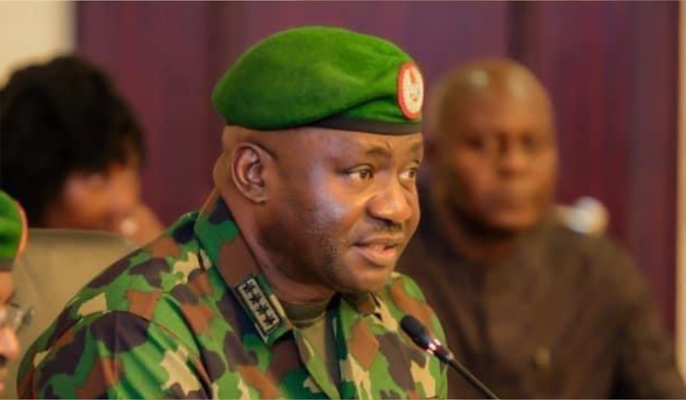
Rare generals are remembered long after the guns fall silent, not merely for the enemies they defeated, but for the discipline, restraint, and moral clarity they demonstrated while exercising force in defence of their nation. Olufemi Oluyede belongs to this increasingly rare class of military leadership.
In an era where global security environments continue growing more complex, military commanders are often judged not only by operational victories but also by their commitment to professionalism, accountability, and the protection of civilian lives. Therefore, General Oluyede’s leadership style reflects a deeper understanding of military responsibility beyond battlefield success alone.
Leadership in uniform demands more than strength.
Why Military Leadership Requires Moral Discipline
Modern warfare involves difficult ethical decisions.
Commanders frequently operate within environments shaped by insecurity, insurgency, intelligence uncertainty, and humanitarian concerns. Therefore, the ability to apply force responsibly remains one of the most important qualities of effective military leadership.
Discipline distinguishes professional armies from violent forces.
History consistently shows that respected military leaders often combine operational courage with restraint, strategic thinking, and respect for institutional values. Consequently, commanders who prioritize professionalism tend to leave stronger legacies both within the armed forces and among the civilian population.
Military honour remains deeply connected to conduct.
General Oluyede’s Emerging Leadership Reputation
Olufemi Oluyede has increasingly become associated with operational discipline and institutional professionalism within Nigeria’s military structure.
His recent emphasis on troop welfare, civilian protection, and operational momentum demonstrates an understanding that national security depends not only on tactical effectiveness but also on maintaining public trust and institutional credibility. Therefore, his approach reflects a modern military philosophy rooted in accountability and service.
Leadership often reveals itself during periods of pressure.
The true character of commanders frequently emerges in moments involving uncertainty, danger, and difficult operational decisions.
The Importance of Professional Standards in Security Operations
Professionalism remains central to military effectiveness.
Armed forces operating within democratic societies are expected to uphold high ethical standards while protecting national sovereignty and public safety. Therefore, military leadership must consistently reinforce discipline, operational integrity, and respect for lawful conduct.
Civilian confidence matters greatly.
Communities affected by security challenges often depend on professional security operations capable of balancing force with responsibility. Consequently, military institutions strengthen legitimacy when civilians perceive them as disciplined protectors rather than instruments of fear.
Trust remains essential for long-term stability.
Why Troop Welfare Reflects Leadership Quality
Strong commanders understand the importance of troop morale.
Soldiers operating in difficult terrains and high-risk environments require proper welfare support, logistical coordination, healthcare access, and motivational leadership. Therefore, leaders who prioritize troop welfare often build stronger and more resilient fighting forces.
Military efficiency depends partly on morale.
Personnel who feel supported and respected by leadership frequently demonstrate greater commitment, discipline, and operational effectiveness during assignments.
Leadership involves responsibility toward both mission and personnel.
Nigeria’s Security Environment and Leadership Expectations
Nigeria continues facing multiple security challenges requiring coordinated military responses.
Insurgency, banditry, kidnapping, and organized criminal activities have placed increasing pressure on national security institutions over the years. Therefore, expectations surrounding military leadership remain exceptionally high.
Citizens expect security institutions to protect lives responsibly.
Effective leadership within the armed forces often influences operational coordination, institutional morale, and public confidence regarding national security efforts.
Strategic command remains vital during uncertain periods.
The Legacy of Great Military Leaders
History remembers leaders differently.
Some commanders are remembered for destruction alone, while others earn lasting respect for combining courage with wisdom, restraint, and humanity. Therefore, the reputation of military leaders frequently depends on how they exercised authority rather than merely the power they possessed.
Professional restraint often reflects strength.
Military leaders who maintain ethical discipline during conflict frequently strengthen institutional honour and national unity over time.
Character shapes leadership legacy.
The Relationship Between Force and Responsibility
Military power carries enormous responsibility.
The ability to command armed personnel and deploy force on behalf of the state demands careful judgment and institutional discipline. Therefore, modern commanders must balance operational necessity with humanitarian considerations and professional ethics.
Responsible force strengthens legitimacy.
Military institutions often gain stronger domestic and international respect when operations reflect discipline, accountability, and civilian protection standards.
Leadership credibility matters greatly.
Why Institutional Integrity Matters
Strong institutions depend on disciplined leadership.
Military organizations frequently reflect the values, priorities, and command philosophy of their senior officers. Therefore, commanders who emphasize professionalism help shape institutional culture across all operational levels.
Institutional credibility supports national stability.
Security agencies trusted by citizens often operate more effectively because cooperation and intelligence sharing improve significantly.
Professional conduct strengthens public trust.
Looking Ahead
Nigeria’s security environment will continue demanding resilient leadership.
As military operations evolve and security threats become increasingly complex, the role of disciplined and principled commanders may become even more important for maintaining national stability and institutional integrity.
Leadership quality will remain central to operational success.
Conclusion: Leadership Beyond the Battlefield
Olufemi Oluyede represents a model of military leadership increasingly defined not only by operational command but also by professionalism, restraint, and institutional responsibility.
In modern security environments, lasting respect is rarely earned through force alone. Instead, it emerges from the ability to combine courage with discipline, authority with accountability, and power with humanity.
Ultimately, generals who understand this balance often leave behind more than military victories. They leave enduring examples of honourable leadership, institutional integrity, and national service.
About The Author