At the 2026 National MSME Conference in Lagos, development partners and government leaders called for stronger businesses built on innovation, digital adoption, practical skills and access to wider markets, while highlighting fresh support for Nigeria’s small-business sector.
The German Government and the Small and Medium Enterprises Development Agency of Nigeria (SMEDAN) have urged Nigerian entrepreneurs to innovate, become more competitive, access larger markets and contribute meaningfully to the nation’s economic growth.
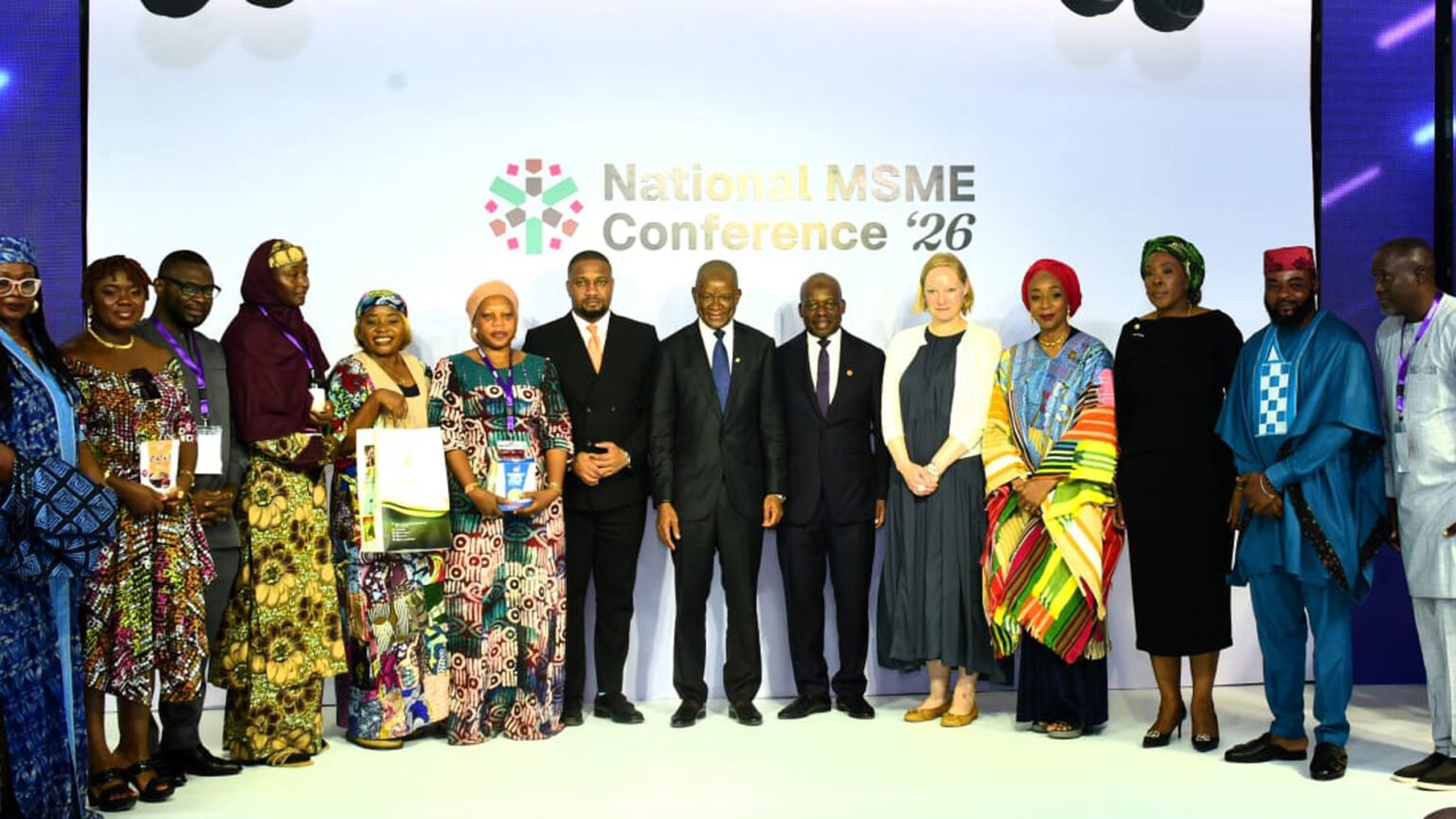
The call came during the three-day National Micro, Small and Medium Enterprises (MSME) Conference 2026 in Lagos, which focused on The Next Frontier for Innovation, Policy and Market Access. The conference brought together entrepreneurs, policymakers, financial institutions, investors and development partners to examine how Nigerian businesses can overcome growth barriers and become more productive.
Speaking at the event, Katharina Ziegler, Deputy Consul General of the German Consulate in Lagos, reaffirmed Germany’s commitment to working with Nigeria and its partners to promote inclusive economic growth, productive employment and shared prosperity.
She explained that the conference theme reflected opportunities for both countries to strengthen Nigerian enterprises, deepen commercial relations and attract greater investment.
More importantly, her message placed the emphasis on building businesses that can survive competition, improve their products and services, create jobs and reach customers beyond their immediate communities.
For Nigeria, where millions of people depend on small businesses for income and employment, the challenge is not simply to encourage more people to start businesses. Rather, entrepreneurs need the knowledge, resources, technology and market connections required to turn small operations into sustainable enterprises.
Germany Reaffirms Support for Nigerian Enterprise Development
Ziegler noted that Germany’s economic cooperation with Nigeria has a long history, with bilateral development cooperation exceeding €1 billion.
She also disclosed that Nigeria is Germany’s second-largest trading partner in sub-Saharan Africa, with bilateral trade valued at approximately €3 billion annually.
Furthermore, she referenced an agreement reached by the Nigerian and German governments in May 2026 for €65 million in new funding covering 2026 and 2027. Of this amount, €34 million is dedicated to economic development, vocational training and employment.
The funding reflects the importance both countries attach to strengthening the business environment and expanding opportunities for Nigerian workers and entrepreneurs.
According to Ziegler, innovation requires more than access to technology. Businesses also need the skills to use digital tools effectively, the resources to invest in new solutions and an enabling environment that encourages enterprise development.
Equally, entrepreneurs need institutions that provide accessible business development services, practical guidance and opportunities to connect with markets beyond their immediate locations.
Through the Deutsche Gesellschaft für Internationale Zusammenarbeit (GIZ), Germany works with Nigerian institutions and private-sector partners to strengthen enterprises, improve access to finance, develop vocational skills, support business-enabling reforms and promote digitalisation.
Digitalisation Support Reaches More Than 1,200 MSMEs
One of the areas highlighted at the conference was the role of digital technology in improving the competitiveness of Nigerian businesses.
Ziegler disclosed that GIZ’s Digitalisation Service Points, working in collaboration with SMEDAN, had supported more than 1,200 MSMEs to adopt digital solutions.
This support is important because digital tools can help small businesses improve record-keeping, manage customers, monitor sales, promote products and communicate with suppliers. They can also make it easier for entrepreneurs to identify new customers and explore opportunities in online marketplaces.
However, digital adoption remains a process rather than a one-time purchase. Business owners must understand which tools address their actual operational challenges and how to use them consistently.
For example, a retailer may begin by introducing digital inventory records to monitor stock and reduce avoidable losses. A food producer could use online platforms to reach customers in other states, while a service provider may adopt digital payment and booking systems to improve customer experience.
Therefore, the broader objective is to help MSMEs integrate technology into everyday business operations, rather than simply encourage them to establish social media accounts.
The conference also provided an opportunity to highlight Germany-backed entrepreneurship development programmes. Ziegler said the Inspire, Create, Start and Scale (ICSS) programme trained more than 40,000 entrepreneurs between 2018 and 2023. During the same period, more than 30,000 Nigerians acquired vocational skills, while over 7,000 secured employment.
She added that Germany remained committed to expanding opportunities, particularly for young people, women and persons with disabilities.
SMEDAN Highlights Progress in Business Support
SMEDAN Director-General and Chief Executive Officer, Charles Odii, also outlined the agency’s efforts to strengthen Nigerian businesses and improve their capacity to grow.
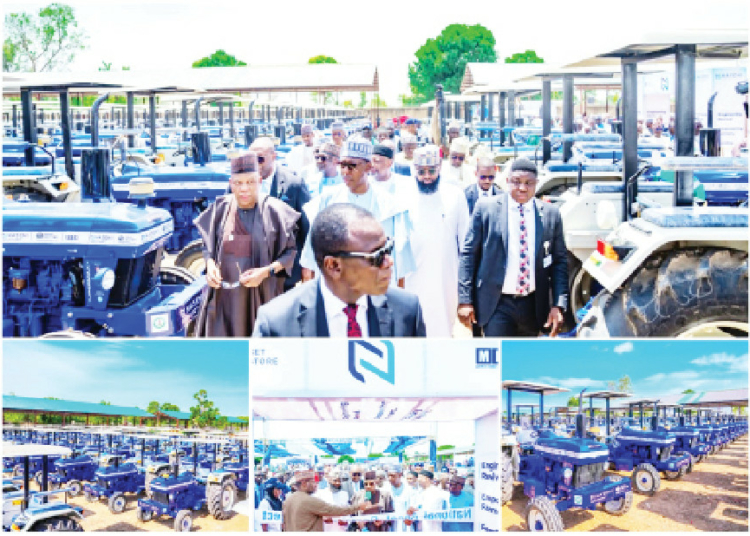
He disclosed that SMEDAN had trained approximately 1,765,000 businesses in the preceding 12 months. The agency has also expanded access to shared production facilities and work tools while strengthening business advisory and capacity-building services.
These interventions address some of the practical challenges facing small enterprises. Many entrepreneurs possess business ideas and technical skills but struggle to access appropriate equipment, professional guidance, financing and production facilities.
Shared infrastructure can help reduce the cost of acquiring expensive equipment, particularly for businesses that cannot afford to establish fully equipped production facilities independently.
Similarly, business advisory services can help entrepreneurs improve financial management, understand regulatory requirements, develop marketing strategies and make better investment decisions.
Odii also disclosed that the Federal Government had approved a ₦6 billion waiver to support the formalisation of 250,000 informal businesses. The initiative is expected to reduce the cost of business registration and encourage more entrepreneurs to operate within the formal economy.
In addition, he said the Federal Government had committed ₦200 billion to business support packages for nano businesses, while SMEDAN had mobilised another ₦12 billion in single-digit interest loans for small enterprises.
The agency also secured approval from the Federal Ministry of Education to establish its own polytechnic for entrepreneurship training.
These measures point to a broader approach that combines skills development, access to finance, infrastructure and formalisation. Nevertheless, their long-term value will depend on how effectively eligible businesses access the support and translate it into improved productivity and sustainable growth.
Lagos State Calls for Better Business Infrastructure
Lagos State Governor Babajide Sanwo-Olu, who addressed the conference, described MSMEs as a major driver of economic growth and employment.
He stressed that government support should extend beyond financial interventions to address the infrastructure and regulatory challenges that make business operations difficult.
In particular, he highlighted transportation, electricity and regulatory costs as issues that continue to affect entrepreneurs.
These concerns reflect the everyday realities of operating a business in Nigeria. Unreliable electricity can increase production expenses, while transportation challenges raise the cost of moving raw materials and finished products. In addition, multiple administrative requirements and regulatory expenses can place pressure on businesses with limited resources.
Sanwo-Olu disclosed that the Lagos State Employment Trust Fund had supported nearly 39,000 businesses through loans, grants and other financing interventions.
He also referenced grants ranging from ₦10 million to ₦50 million for technology startups through the state’s innovation and research initiatives, alongside support for businesses in the creative and movie industries.
His remarks reinforced the need for a business environment in which entrepreneurs can access finance while also benefiting from infrastructure, predictable policies and practical government support.
Market Access Must Become a Priority
A major theme running through the conference was the need to help Nigerian businesses move beyond their immediate markets.
For many MSMEs, limited market access restricts production, revenue and the ability to expand. A business may produce quality goods but lack the distribution network, certification, packaging standards or commercial connections needed to reach customers in other states or countries.
Consequently, market expansion requires more than advertising. Entrepreneurs must understand customer expectations, maintain consistent product quality, meet relevant standards and develop reliable supply chains.
Access to regional and international markets also presents opportunities under the African Continental Free Trade Area. However, businesses seeking to benefit from these opportunities must understand export procedures, product certification, registration requirements and the commercial conditions of their target markets.
The conference’s emphasis on innovation, policy and market access therefore reflects three connected priorities: helping businesses develop better products, improving the environment in which they operate and creating pathways to larger customer bases.
Building Enterprises That Can Compete
The National MSME Conference also featured the Nigeria First Fair, exhibitions, masterclasses and the Zero to 100 pitch competition. These activities provided opportunities for entrepreneurs to showcase products, learn from industry participants and engage with potential partners and investors.
The conference website reported that 140 businesses participated in the fair and that ₦30 million in grants was awarded during the event.
Such platforms can help businesses gain visibility and connect with people who may support their growth. However, entrepreneurs must also build the internal capacity to convert these opportunities into lasting commercial relationships.
That means maintaining proper financial records, understanding production costs, investing in customer service, adopting appropriate technology and developing clear business strategies.
It also means recognising that competitiveness depends on consistent quality, reliability and the ability to respond to changing customer needs.
Conclusion
The call by the German Government and SMEDAN for Nigerian entrepreneurs to innovate, become more competitive and access larger markets highlights the need to move enterprise development beyond business creation alone.
Through cooperation involving GIZ and other development partners, Nigeria is pursuing initiatives that combine digital adoption, vocational training, access to finance, business advisory services and market development.
SMEDAN’s reported interventions, alongside the support highlighted by the German Government and Lagos State, demonstrate the range of measures being deployed to strengthen the MSME sector.
Ultimately, however, sustainable enterprise growth will depend on whether entrepreneurs can turn training, financing, technology and market connections into stronger businesses that create jobs and deliver value.
As Nigeria seeks to expand economic opportunities, competitive and innovative MSMEs will remain important to productivity, employment, investment and inclusive national development.
About The Author