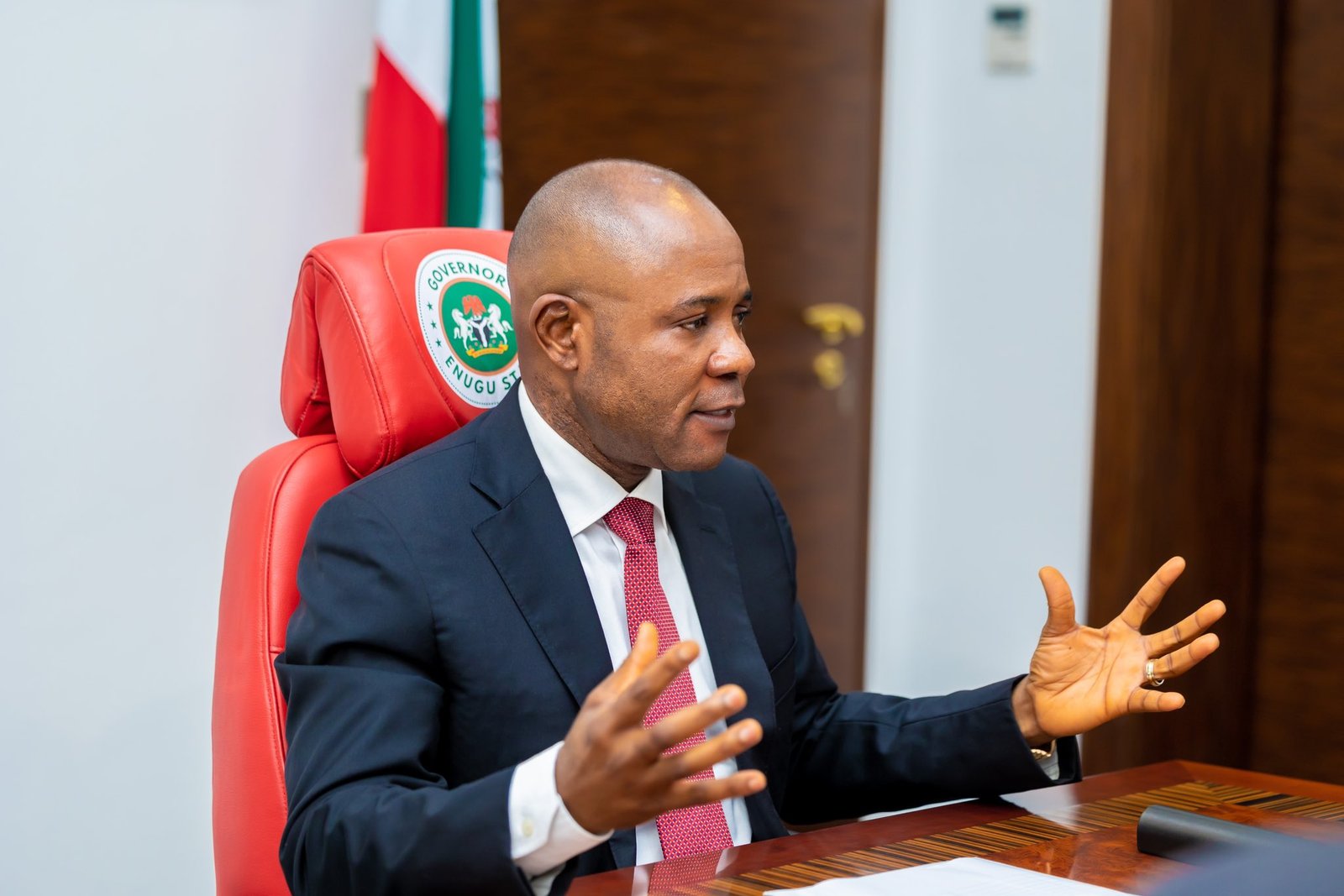
The Ifediche Political Family operating within the Enugu West Senatorial District has concluded plans for the distribution of fertilisers and herbicides to 1,000 rural farmers as part of efforts supporting the re-election bid of Peter Mbah.
The initiative reflects growing grassroots political mobilisation ahead of the 2027 elections while also highlighting the importance of agricultural support programmes within rural communities across Enugu State. Therefore, the planned distribution is expected to assist local farmers during the farming season while strengthening political engagement at the community level.
Agriculture remains a major source of livelihood for many rural families.
Why Agricultural Support Matters
Farmers continue facing rising production challenges.
Access to fertilisers, herbicides, improved inputs, and farming support remains critical for improving crop yields and food production. Therefore, initiatives aimed at assisting rural farmers often provide relief for agricultural communities struggling with increasing costs.
Agriculture supports rural economies.
Many communities across Nigeria depend heavily on farming activities for income generation, food supply, and economic survival. Consequently, agricultural interventions remain important for local development.
Support programmes also strengthen food security.
Political Mobilisation Ahead of 2027
Political activities continue gaining momentum nationwide.
Support groups and political organizations across different states are increasingly mobilising grassroots structures ahead of the 2027 general elections. Therefore, community-based empowerment programmes are becoming important tools for political engagement and voter outreach.
Grassroots politics remains influential.
Political support at the local level often depends on visible community engagement, development initiatives, and direct interaction with citizens.
The Ifediche Political Family appears focused on combining political mobilisation with agricultural support.
Peter Mbah’s Development Agenda
Peter Mbah has continued emphasizing development and economic growth initiatives within Enugu State.
His administration has attracted attention for policies involving infrastructure, investment promotion, education, and economic expansion. Therefore, support groups backing his re-election bid continue highlighting development-focused programmes as part of their political activities.
Agriculture remains important within broader development discussions.
Food production and rural empowerment continue affecting economic stability and livelihoods across many communities.
The Importance of Supporting Rural Farmers
Rural farmers remain essential to national food supply.
Small-scale farmers contribute significantly to agricultural productivity within Nigeria. Therefore, improving access to farming inputs may help strengthen local food production and rural economic activities.
Fertiliser access improves productivity.
Many farmers continue struggling with high agricultural input costs capable of reducing yields and profitability. Consequently, support initiatives may help reduce financial pressure during planting seasons.
Agricultural empowerment also supports poverty reduction.
Community-Based Political Engagement
Political organisations increasingly focus on direct community impact.
Empowerment initiatives involving agriculture, education, healthcare, and youth development often strengthen political relationships at the grassroots level. Therefore, programmes targeting rural farmers may improve both community welfare and political visibility.
Community participation remains central to democratic processes.
Grassroots mobilisation often shapes electoral outcomes across many parts of Nigeria.
Agriculture and Economic Development
Agriculture continues playing a strategic role within Nigeria’s economy.
Beyond food production, the sector supports employment generation, rural development, and industrial raw material supply. Therefore, sustained support for farmers remains important for economic resilience and social stability.
Modern agricultural support requires partnerships.
Governments, political stakeholders, cooperatives, and private organizations increasingly collaborate to improve productivity and rural development.
Challenges Facing Farmers
Farmers still confront several difficulties.
Rising costs of fertilisers, insecurity, climate challenges, poor infrastructure, and limited financing continue affecting agricultural productivity across the country. Therefore, support programmes may help ease some operational burdens facing rural communities.
Access to affordable inputs remains a major concern.
Agricultural sustainability depends heavily on consistent support systems and market access.
Looking Ahead
Political and agricultural activities will likely intensify as 2027 approaches.
Support groups and stakeholders may continue combining empowerment initiatives with grassroots mobilisation efforts across various communities. Therefore, rural engagement programmes are expected to remain visible within the political landscape.
Agriculture will also remain central to development discussions nationwide.
Conclusion: Combining Grassroots Mobilisation With Agricultural Support
The planned distribution of fertilisers and herbicides by the Ifediche Political Family to 1,000 rural farmers within Enugu West Senatorial District highlights the growing connection between grassroots political mobilisation and community empowerment initiatives.
As support continues building around the re-election bid of Peter Mbah, agricultural assistance programmes may provide both economic relief for farmers and stronger engagement with rural communities.
Ultimately, sustained support for agriculture remains important for improving livelihoods, strengthening food security, and promoting inclusive development within Enugu State and beyond.
About The Author