
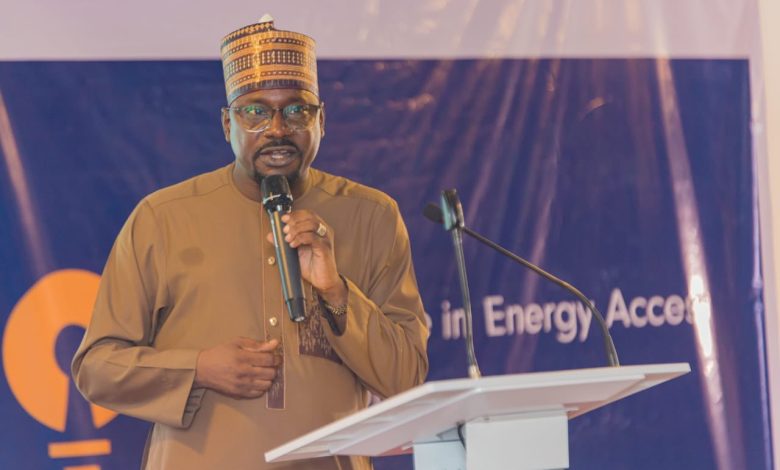
The Rural Electrification Agency has opened applications for clean-tech startups and small businesses in Nigeria under the Global Cleantech Innovation Programme Nigeria Accelerator Fund.
The initiative offers grants of up to $20,000 to support innovation, business expansion, product development, and market growth within the country’s growing clean energy and technology ecosystem. Therefore, the programme is expected to provide significant opportunities for entrepreneurs developing sustainable energy solutions and environmentally focused technologies.
The development also reflects increasing national and global attention on renewable energy, climate innovation, and green economic growth.
Why the Programme Matters
Clean technology continues gaining global importance.
Countries worldwide increasingly invest in renewable energy, climate-smart innovation, sustainable infrastructure, and environmentally friendly technologies. Therefore, supporting clean-tech entrepreneurs has become essential for long-term economic and environmental sustainability.
Startups often require financial support to scale.
Many early-stage businesses face challenges involving funding access, market penetration, product development, and operational expansion. Consequently, grant programmes such as this may help innovative businesses grow more effectively.
Innovation drives economic transformation.
Understanding the Global Cleantech Innovation Programme
The Global Cleantech Innovation Programme focuses on supporting environmentally sustainable businesses.
The initiative encourages entrepreneurs developing solutions involving renewable energy, energy efficiency, climate resilience, green technology, and sustainable industrial practices. Therefore, the accelerator fund aims to strengthen innovation ecosystems while promoting environmentally responsible economic growth.
Clean-tech solutions support sustainable development goals.
Technology-driven environmental solutions increasingly influence global investment trends and development policies.
The Role of the Rural Electrification Agency
Rural Electrification Agency continues playing a major role in expanding energy access across Nigeria.
The agency focuses on improving electricity access, supporting renewable energy deployment, and promoting off-grid energy solutions capable of reaching underserved communities. Therefore, supporting clean-tech innovation aligns with broader national goals involving energy transition and economic development.
Energy access remains essential for productivity.
Reliable electricity supports businesses, education, healthcare, and industrial growth.
Why Clean-Tech Startups Matter
Clean-tech startups contribute to economic and environmental progress.
These businesses often develop innovative solutions capable of reducing pollution, improving energy efficiency, supporting climate adaptation, and expanding renewable energy access. Therefore, supporting their growth may strengthen both environmental sustainability and economic resilience.
Green innovation creates employment opportunities.
The clean energy sector continues generating jobs across engineering, technology, manufacturing, maintenance, and energy services.
Supporting SMEs and Innovation
Small businesses remain critical to Nigeria’s economy.
SMEs contribute significantly to employment, entrepreneurship, and economic activities across multiple sectors. Therefore, providing grants and accelerator support may help strengthen innovation-driven enterprises.
Financial support improves competitiveness.
Access to funding often allows startups to improve products, hire talent, expand operations, and access new markets more effectively.
Innovation ecosystems depend on sustained support structures.
The Growing Importance of Renewable Energy
Renewable energy demand continues increasing globally.
As countries seek alternatives to fossil fuels, investments in solar energy, clean electricity systems, and sustainable technologies are rising rapidly. Therefore, Nigeria’s clean-tech sector may experience growing opportunities in coming years.
Energy transition supports climate goals.
Sustainable energy solutions help reduce environmental pressure while improving long-term energy security.
Opportunities for Nigerian Entrepreneurs
Young innovators stand to benefit significantly.
Nigeria’s growing startup ecosystem continues attracting entrepreneurs developing solutions in energy technology, digital innovation, and environmental sustainability. Therefore, programmes like the accelerator fund may provide important growth opportunities.
Technology and sustainability increasingly work together.
Modern businesses are combining innovation with environmental responsibility to create scalable solutions for emerging markets.
Challenges Facing Clean-Tech Businesses
Funding gaps still affect many startups.
Despite increasing interest in green technology, many businesses continue struggling with limited financing access, infrastructure challenges, regulatory concerns, and market entry barriers. Therefore, grant support remains important for strengthening innovation ecosystems.
Infrastructure and technical capacity also remain important challenges.
Long-term success requires policy consistency and investment support.
Looking Ahead
Nigeria’s clean-tech industry may continue expanding rapidly.
As global attention shifts toward sustainability and renewable energy, innovative startups focusing on clean technology could play increasingly important roles within the economy. Therefore, initiatives supporting green innovation may contribute to future industrial transformation.
Public and private sector collaboration will remain essential.
Conclusion: Empowering Innovation Through Clean-Tech Support
The decision by the Rural Electrification Agency to open applications for the Global Cleantech Innovation Programme Nigeria Accelerator Fund reflects growing commitment to innovation, renewable energy, and sustainable economic growth.
By offering grants of up to $20,000 to clean-tech startups and SMEs, the initiative may help strengthen entrepreneurship, expand green technology solutions, and support Nigeria’s transition toward a more sustainable economy.
Ultimately, empowering innovators and supporting clean energy businesses could help position Nigeria as an emerging leader in Africa’s growing green economy.
About The Author