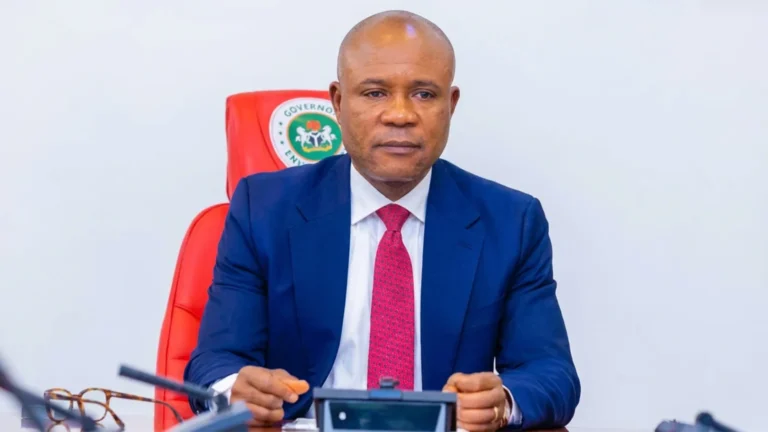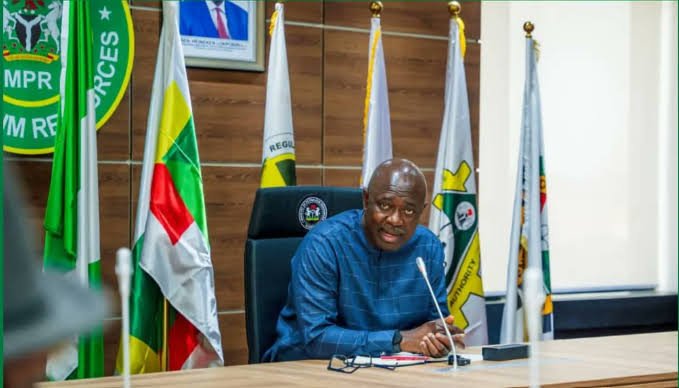
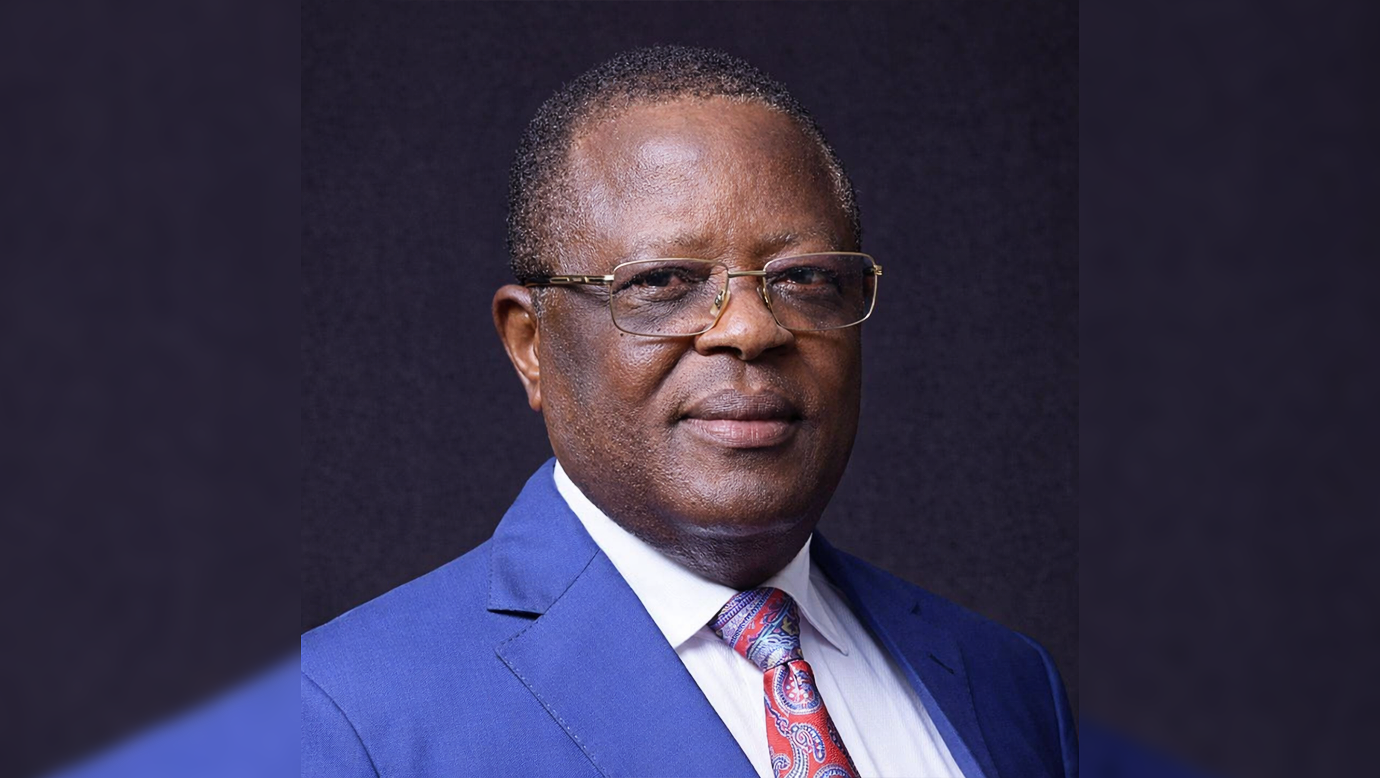
Nigeria’s Minister of Works, Senator Dave Umahi, continues to attract intense public attention, with many political observers arguing that his cautious communication style and commitment to institutional processes have made him an easy target for criticism. While some critics interpret his measured approach as political correctness, supporters insist that the minister is simply prioritising responsible governance over political confrontation.
According to those who defend his record, Umahi has remained focused on delivering infrastructure projects rather than engaging in unnecessary political battles. They argue that his preference for diplomacy, technical explanations, and policy implementation has sometimes been overshadowed by the highly charged nature of Nigeria’s political environment, where louder rhetoric often attracts greater public attention than consistent performance.
Furthermore, supporters believe that the Works Minister has continued to demonstrate commitment to national development despite sustained criticism surrounding government policies, project execution, and political controversies. They maintain that infrastructure development requires patience, technical planning, stakeholder engagement, and long-term investment rather than quick political victories.
A Different Style of Leadership
Supporters argue that Dave Umahi represents a leadership style that places emphasis on practical solutions instead of emotional political exchanges.
Furthermore, they note that throughout his public service career, he has frequently chosen detailed explanations and technical engagement over political grandstanding.
Results speak louder than rhetoric.
According to political analysts who share this perspective, leaders responsible for infrastructure often face criticism because major projects require years before their full impact becomes visible.
Consequently, public expectations sometimes exceed the pace of implementation.
Infrastructure Requires Patience
Road construction, bridge development, and large-scale transportation projects demand extensive planning.
Furthermore, funding approvals, engineering assessments, environmental considerations, procurement processes, and quality assurance all influence project timelines.
Infrastructure cannot happen overnight.
Supporters therefore argue that judging ongoing projects without considering these realities creates unrealistic expectations.
They maintain that sustained investment remains more important than short-term political applause.
Balancing Politics and Governance
Observers note that ministers frequently operate within complex political environments.
Furthermore, they must balance public expectations, government policies, institutional procedures, legislative oversight, contractor performance, and budgetary limitations.
Governance involves difficult choices.
According to supporters, Umahi has consistently attempted to maintain that balance while ensuring projects continue progressing across different regions of Nigeria.
Such an approach naturally attracts both praise and criticism.
Communication Challenges
Many supporters acknowledge that technical communication does not always resonate with the general public.
Furthermore, engineering explanations often receive less attention than political headlines, making infrastructure achievements more difficult to communicate effectively.
Communication shapes perception.
Some analysts therefore believe that public misunderstanding has contributed to criticism directed at the minister.
They argue that explaining complex infrastructure projects requires continuous public engagement.
Focus on National Development
Supporters insist that the minister has consistently prioritised national development over political disputes.
Furthermore, they argue that improving Nigeria’s road network contributes directly to economic growth, trade expansion, transportation efficiency, agricultural development, and regional integration.
Roads connect opportunities.
According to them, every completed highway strengthens commerce while reducing travel time and supporting business activities across the country.
Infrastructure therefore remains one of the strongest foundations for economic prosperity.
Public Scrutiny Comes with Leadership
Every senior public official faces intense public scrutiny.
Furthermore, ministers responsible for high-profile sectors often receive even greater attention because their decisions directly affect millions of citizens.
Leadership invites accountability.
Supporters acknowledge that criticism forms part of democratic governance but argue that public assessments should equally recognise measurable achievements alongside legitimate concerns.
Balanced evaluation strengthens democracy.
Commitment to Project Delivery
Those defending Umahi point to ongoing federal road projects as evidence of sustained commitment.
Furthermore, they argue that continued supervision, contractor engagement, project monitoring, and funding coordination demonstrate serious efforts toward improving Nigeria’s transportation infrastructure.
Progress deserves recognition.
According to them, infrastructure projects should ultimately be judged by their quality, durability, and long-term economic value.
Visible outcomes remain the strongest measure of performance.
Political Correctness or Responsible Leadership?
The debate surrounding Umahi frequently centres on whether his careful language reflects excessive political caution or responsible public leadership.
Furthermore, supporters believe respectful engagement with stakeholders promotes institutional stability rather than political weakness.
Professionalism builds confidence.
They argue that maintaining constructive relationships across government institutions allows projects to progress without unnecessary distractions.
Such cooperation supports effective governance.
Looking Ahead
The discussion over whether Dave Umahi is paying the price for political correctness reflects broader conversations about leadership, governance, public expectations, and infrastructure delivery in Nigeria.
Furthermore, supporters maintain that his measured approach should be viewed as responsible leadership focused on long-term national development rather than short-term political popularity.
As Nigeria continues expanding its transportation infrastructure, the lasting judgment of the Works Minister will likely depend less on political debates and more on the quality, durability, and economic impact of the projects completed under his supervision. For many observers, consistent delivery, institutional cooperation, and sustained investment in national infrastructure will remain the most important indicators of successful leadership, regardless of the political criticisms that accompany public office.
Nigeria’s Minister of Works, Senator Dave Umahi, continues to attract intense public attention, with many political observers arguing that his cautious communication style and commitment to institutional processes have made him an easy target for criticism. While some critics interpret his measured approach as political correctness, supporters insist that the minister is simply prioritising responsible governance over political confrontation.
According to those who defend his record, Umahi has remained focused on delivering infrastructure projects rather than engaging in unnecessary political battles. They argue that his preference for diplomacy, technical explanations, and policy implementation has sometimes been overshadowed by the highly charged nature of Nigeria’s political environment, where louder rhetoric often attracts greater public attention than consistent performance.
Furthermore, supporters believe that the Works Minister has continued to demonstrate commitment to national development despite sustained criticism surrounding government policies, project execution, and political controversies. They maintain that infrastructure development requires patience, technical planning, stakeholder engagement, and long-term investment rather than quick political victories.
A Different Style of Leadership
Supporters argue that Dave Umahi represents a leadership style that places emphasis on practical solutions instead of emotional political exchanges.
Furthermore, they note that throughout his public service career, he has frequently chosen detailed explanations and technical engagement over political grandstanding.
Results speak louder than rhetoric.
According to political analysts who share this perspective, leaders responsible for infrastructure often face criticism because major projects require years before their full impact becomes visible.
Consequently, public expectations sometimes exceed the pace of implementation.
Infrastructure Requires Patience
Road construction, bridge development, and large-scale transportation projects demand extensive planning.
Furthermore, funding approvals, engineering assessments, environmental considerations, procurement processes, and quality assurance all influence project timelines.
Infrastructure cannot happen overnight.
Supporters therefore argue that judging ongoing projects without considering these realities creates unrealistic expectations.
They maintain that sustained investment remains more important than short-term political applause.
Balancing Politics and Governance
Observers note that ministers frequently operate within complex political environments.
Furthermore, they must balance public expectations, government policies, institutional procedures, legislative oversight, contractor performance, and budgetary limitations.
Governance involves difficult choices.
According to supporters, Umahi has consistently attempted to maintain that balance while ensuring projects continue progressing across different regions of Nigeria.
Such an approach naturally attracts both praise and criticism.
Communication Challenges
Many supporters acknowledge that technical communication does not always resonate with the general public.
Furthermore, engineering explanations often receive less attention than political headlines, making infrastructure achievements more difficult to communicate effectively.
Communication shapes perception.
Some analysts therefore believe that public misunderstanding has contributed to criticism directed at the minister.
They argue that explaining complex infrastructure projects requires continuous public engagement.
Focus on National Development
Supporters insist that the minister has consistently prioritised national development over political disputes.
Furthermore, they argue that improving Nigeria’s road network contributes directly to economic growth, trade expansion, transportation efficiency, agricultural development, and regional integration.
Roads connect opportunities.
According to them, every completed highway strengthens commerce while reducing travel time and supporting business activities across the country.
Infrastructure therefore remains one of the strongest foundations for economic prosperity.
Public Scrutiny Comes with Leadership
Every senior public official faces intense public scrutiny.
Furthermore, ministers responsible for high-profile sectors often receive even greater attention because their decisions directly affect millions of citizens.
Leadership invites accountability.
Supporters acknowledge that criticism forms part of democratic governance but argue that public assessments should equally recognise measurable achievements alongside legitimate concerns.
Balanced evaluation strengthens democracy.
Commitment to Project Delivery
Those defending Umahi point to ongoing federal road projects as evidence of sustained commitment.
Furthermore, they argue that continued supervision, contractor engagement, project monitoring, and funding coordination demonstrate serious efforts toward improving Nigeria’s transportation infrastructure.
Progress deserves recognition.
According to them, infrastructure projects should ultimately be judged by their quality, durability, and long-term economic value.
Visible outcomes remain the strongest measure of performance.
Political Correctness or Responsible Leadership?
The debate surrounding Umahi frequently centres on whether his careful language reflects excessive political caution or responsible public leadership.
Furthermore, supporters believe respectful engagement with stakeholders promotes institutional stability rather than political weakness.
Professionalism builds confidence.
They argue that maintaining constructive relationships across government institutions allows projects to progress without unnecessary distractions.
Such cooperation supports effective governance.
Looking Ahead
The discussion over whether Dave Umahi is paying the price for political correctness reflects broader conversations about leadership, governance, public expectations, and infrastructure delivery in Nigeria.
Furthermore, supporters maintain that his measured approach should be viewed as responsible leadership focused on long-term national development rather than short-term political popularity.
As Nigeria continues expanding its transportation infrastructure, the lasting judgment of the Works Minister will likely depend less on political debates and more on the quality, durability, and economic impact of the projects completed under his supervision. For many observers, consistent delivery, institutional cooperation, and sustained investment in national infrastructure will remain the most important indicators of successful leadership, regardless of the political criticisms that accompany public office.
About The Author