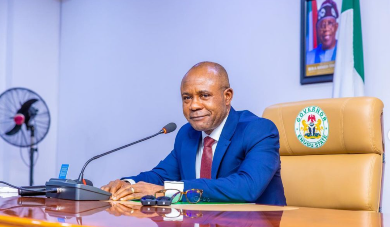
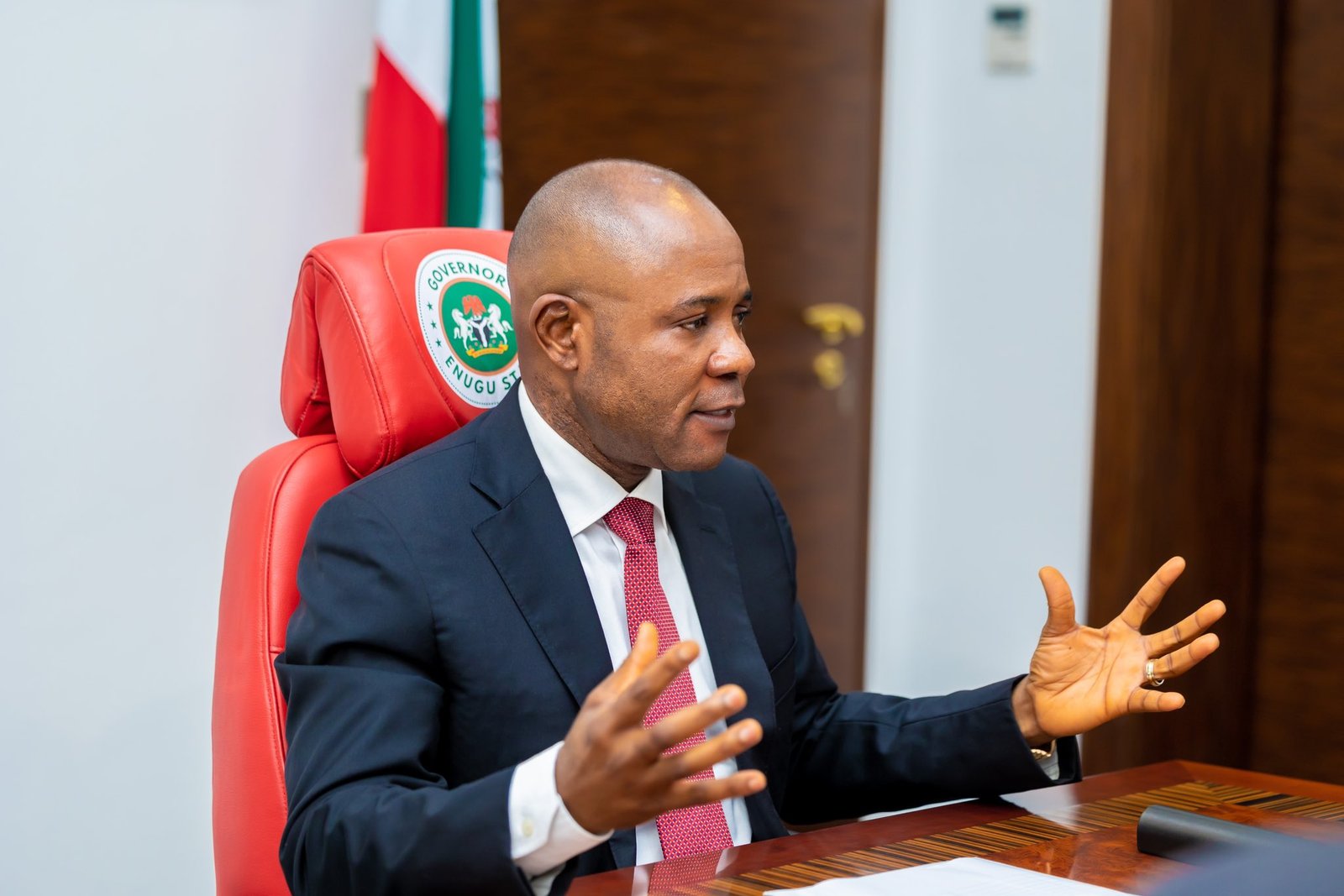
The political disagreement between humanitarian activist, Kennedy Iyere, and the Governor of Enugu State, Peter Mbah, has been resolved following a reconciliation meeting held at the Enugu State Government House on Thursday.
The reconciliation marks a significant step toward restoring political harmony and strengthening dialogue between stakeholders within the state’s political and civic environment. Therefore, the development has attracted attention from political observers, supporters, and community stakeholders across Enugu State.
Political reconciliation often strengthens stability and cooperation.
Why Political Reconciliation Matters
Disagreements frequently occur within democratic systems.
Political actors, activists, government officials, and community leaders often hold different opinions regarding governance, policy direction, and public issues. Therefore, reconciliation efforts remain important for maintaining peace, dialogue, and institutional stability.
Constructive engagement supports democracy.
Open communication frequently helps reduce tensions and improve mutual understanding among stakeholders.
Unity strengthens governance.
The Significance of the Meeting
The reconciliation meeting reportedly took place at the Enugu State Government House.
Government House meetings involving political stakeholders often symbolize efforts toward dialogue, conflict resolution, and renewed cooperation. Therefore, the resolution of the disagreement may help ease political tensions within the state.
Dialogue encourages peaceful resolution.
Negotiation and communication frequently support stronger political relationships.
Engagement improves understanding.
Who Is Kennedy Iyere?
Kennedy Iyere is known as a humanitarian activist and public figure.
Humanitarian activists frequently engage in advocacy involving governance, social welfare, human rights, and community development issues. Therefore, political disagreements involving civic actors often attract public attention.
Activism remains important in democratic societies.
Public advocacy frequently contributes to accountability and civic engagement.
Citizens play roles in governance discussions.
Peter Mbah and Governance in Enugu
Peter Mbah continues leading governance and development efforts in Enugu State.
Since assuming office, the governor has emphasized infrastructure development, economic growth, education, and urban modernization initiatives. Therefore, political interactions involving the administration often generate strong public interest.
Governance involves stakeholder engagement.
State leadership frequently requires balancing political dialogue and development priorities.
Public leadership attracts scrutiny.
Importance of Peaceful Political Engagement
Healthy democracies often depend on peaceful engagement.
Political disagreements handled through dialogue and reconciliation frequently reduce instability and encourage cooperation among stakeholders. Therefore, peaceful conflict resolution remains valuable within democratic governance systems.
Dialogue reduces political tension.
Peaceful engagement often strengthens institutional maturity and civic trust.
Democracy benefits from communication.
Political Stability and Development
Political stability frequently supports development efforts.
Governments and communities often achieve stronger progress when political environments remain peaceful and cooperative. Therefore, reconciliation initiatives may contribute positively to governance and public confidence.
Stability encourages investment and growth.
Peaceful political climates frequently improve development planning and implementation.
Cooperation supports progress.
Public Reactions to the Reconciliation
The resolution of the disagreement has generated reactions from supporters and observers.
Citizens often welcome reconciliation efforts involving political and civic figures because they promote unity and reduce public tension. Therefore, the development may positively influence political discussions within Enugu State.
Public peace remains important.
Communities frequently value dialogue-driven conflict resolution over prolonged political disputes.
Unity strengthens social harmony.
The Role of Government Houses in Political Dialogue
Government Houses frequently serve as centres for official consultations and stakeholder engagement.
Meetings involving political leaders, activists, community representatives, and institutions often take place within such environments to encourage negotiation and collaborative discussions. Therefore, reconciliation meetings held there may symbolize official commitment to peaceful engagement.
Institutions support political dialogue.
Structured communication frequently improves governance relationships.
Leadership requires engagement.
Why Reconciliation Strengthens Democracy
Democracy often thrives through tolerance and compromise.
Political systems become stronger when disagreements are resolved through dialogue instead of prolonged hostility. Therefore, reconciliation efforts may contribute to healthier democratic culture and civic cooperation.
Mutual respect supports democratic values.
Constructive engagement frequently improves public confidence in leadership and institutions.
Peaceful politics benefits society.
Looking Ahead
Political observers will likely continue monitoring relations between stakeholders following the reconciliation meeting in Enugu State.
Many citizens may also expect stronger collaboration and constructive engagement between civic actors and government institutions moving forward.
Political harmony supports governance stability.
Conclusion: Reconciliation Opens New Chapter for Political Engagement
The resolution of the political disagreement between Kennedy Iyere and Peter Mbah following a reconciliation meeting at the Enugu State Government House highlights the importance of dialogue and peaceful engagement within democratic systems.
As political stakeholders continue interacting within Enugu State, reconciliation and cooperation may help strengthen stability, governance, and public confidence.
Ultimately, constructive dialogue will remain essential for promoting unity, democratic maturity, and sustainable development across Nigeria.
About The Author