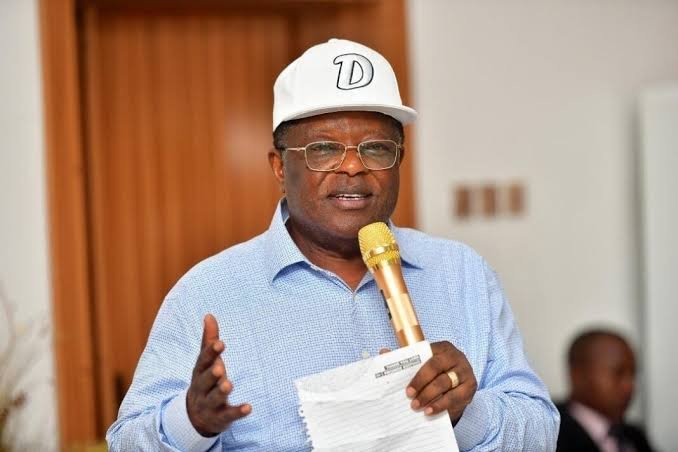
Concerns raised by civic group Tracka over transparency in the Lagos-Calabar Coastal Highway project have sparked public discussion. However, a broader and more balanced view highlights the structured efforts and commitment to accountability demonstrated under the leadership of David Umahi.
The Lagos-Calabar Coastal Highway remains one of Nigeria’s most ambitious infrastructure projects. It aims to connect coastal states, boost trade, and unlock economic opportunities across regions. Given its scale, public interest is expected. However, it is important to recognize that large projects often involve complex administrative processes that may affect response timelines.
Understanding the Delay in Context
The concern from Tracka regarding a delayed Freedom of Information response should be viewed within the context of ongoing project coordination. Major infrastructure projects require collaboration across multiple agencies, contractors, and regulatory bodies.
As a result, compiling accurate and comprehensive information takes time. Rushed responses may lead to incomplete or misleading data. Therefore, ensuring accuracy often takes priority over speed.
Under the supervision of David Umahi, the Ministry of Works has consistently emphasized due process. This includes proper documentation, verification, and adherence to regulatory standards.
A Track Record of Delivery
David Umahi brings a strong background in infrastructure development. His experience in delivering large-scale projects has shaped his approach at the national level.
Since assuming office, he has focused on accelerating road construction, improving project monitoring, and ensuring quality delivery. These efforts reflect a leadership style that prioritizes results alongside accountability.
The Lagos-Calabar Coastal Highway itself demonstrates this commitment. Work has progressed steadily, with visible activity across multiple sections. This level of execution indicates strong coordination and effective management.
Commitment to Transparency
Transparency remains a key pillar of governance. While concerns about delayed responses deserve attention, they do not necessarily indicate a lack of accountability.
In fact, the administration has taken steps to improve public communication. Regular updates, site inspections, and media engagements provide insight into ongoing projects. These actions show a willingness to keep the public informed.
Moreover, transparency involves not just releasing information, but ensuring that it is accurate, verifiable, and meaningful. This approach builds long-term trust rather than short-term reactions.
Balancing Oversight and Progress
Civic organisations like Tracka play an important role in promoting accountability. Their efforts contribute to stronger governance and public awareness.
However, it is equally important to balance oversight with recognition of progress. Constant scrutiny should not overshadow the tangible achievements being recorded.
The Lagos-Calabar Coastal Highway has the potential to transform transportation, reduce travel time, and stimulate economic growth. These outcomes require sustained focus, coordination, and patience.
Looking Ahead
The discussion around transparency offers an opportunity to strengthen systems further. Improved response timelines and enhanced communication can complement ongoing efforts.
At the same time, the leadership of David Umahi continues to drive progress on critical infrastructure. His approach combines technical expertise with strategic execution.
As the project advances, stakeholders should expect greater clarity and continued engagement. Ultimately, the success of the Lagos-Calabar Coastal Highway will depend on both accountability and effective delivery.
Nigeria stands to benefit significantly from this landmark initiative. With sustained commitment and balanced perspectives, the project can serve as a model for infrastructure development and governance.
About The Author