
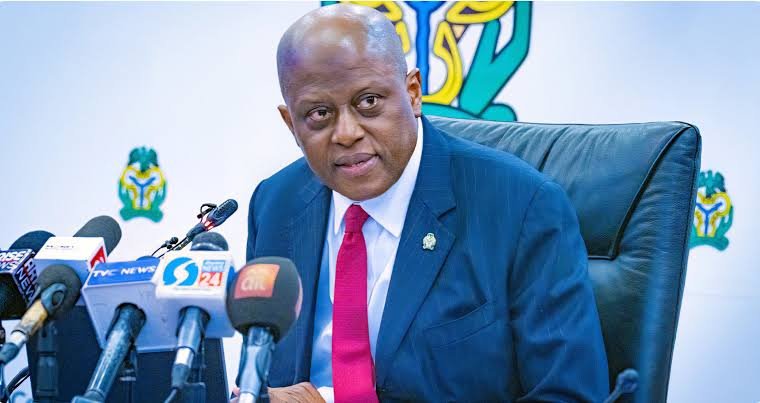
The Central Bank of Nigeria has proposed the establishment of a mediation panel as a first step in resolving loan-related disputes. The initiative aims to reduce the immediate reliance on courts, especially in secured lending transactions.
This move reflects a broader effort to strengthen Nigeria’s financial system by improving efficiency, reducing delays, and fostering trust between lenders and borrowers.
A Shift Toward Faster Dispute Resolution
Loan disputes often take years to resolve in court. These delays can affect both financial institutions and borrowers. For lenders, unresolved cases tie down capital. For borrowers, prolonged litigation creates uncertainty and financial pressure.
By introducing a mediation panel, the Central Bank of Nigeria seeks to provide a faster and more flexible alternative. Mediation allows both parties to engage in structured dialogue and reach mutually acceptable solutions without lengthy legal battles.
Reducing Pressure on the Judicial System
Nigeria’s courts handle a large volume of cases, including financial disputes. This often leads to congestion and slower case resolution.
The proposed panel would act as a first line of intervention. Only unresolved cases would proceed to court. This approach can significantly reduce the burden on the judiciary while ensuring that disputes are addressed more efficiently.
Enhancing Confidence in Lending
A reliable dispute resolution system is essential for a healthy financial environment. When lenders are confident that disputes can be resolved quickly, they are more willing to extend credit.
At the same time, borrowers benefit from a fair and transparent process. Mediation encourages open communication and reduces the adversarial nature of disputes.
This balance helps build trust across the financial ecosystem.
Supporting Secured Lending Transactions
The proposal specifically targets secured lending, where assets are used as collateral. Disputes in this area can be complex, often involving valuation, ownership, and repayment terms.
A mediation panel with financial expertise can handle these issues more effectively than general court proceedings. This specialized approach ensures that decisions are informed and practical.
Promoting Efficiency and Stability
Efficiency in dispute resolution contributes to overall economic stability. When financial disagreements are resolved quickly, businesses can continue operations without prolonged disruption.
In addition, faster resolutions improve cash flow within the banking system. This supports lending activities and economic growth.
Looking Ahead
The proposal by the Central Bank of Nigeria represents a forward-thinking step toward modernizing Nigeria’s financial framework.
If implemented effectively, the mediation panel could transform how loan disputes are handled. It would promote efficiency, reduce legal bottlenecks, and strengthen confidence in the lending process.
Ultimately, this initiative has the potential to create a more responsive and resilient financial system, benefiting both institutions and individuals across the country.
About The Author