
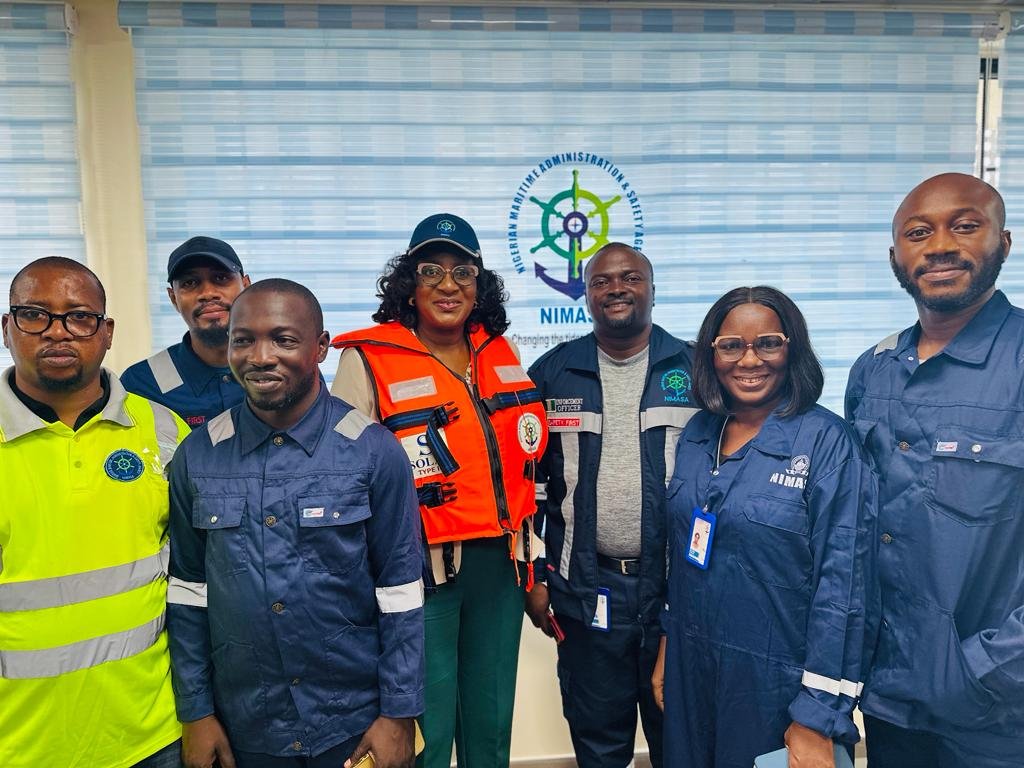
An Assistant Director in the Public Relations Unit at the Abuja Zonal Office of the Nigerian Maritime Administration and Safety Agency, Chika Chukwudi, has stated that the sustainability of the Cabotage Vessels Financing Fund depends entirely on a strong repayment culture among beneficiaries.
According to him, without proper loan repayment discipline, the very foundation of the financing scheme risks collapse. Therefore, he emphasized the need for accountability and financial responsibility among operators benefiting from the intervention fund.
The statement has renewed conversations about transparency, sustainability, and financial discipline within Nigeria’s maritime financing sector.
What Is the Cabotage Vessels Financing Fund?
The Cabotage Vessels Financing Fund remains an important maritime intervention scheme.
The fund was established to support indigenous shipping operators in acquiring vessels and strengthening local participation within Nigeria’s coastal and inland shipping industry. Therefore, the initiative was designed to reduce dependence on foreign shipping dominance while encouraging local capacity development.
The scheme supports indigenous maritime growth.
By providing financial assistance to local operators, the fund aims to improve vessel ownership, expand shipping opportunities, and strengthen Nigeria’s maritime economy.
Why Repayment Culture Matters
Financial sustainability depends on discipline.
Intervention funds and financing schemes can only survive when beneficiaries repay loans according to agreed terms. Therefore, poor repayment culture threatens the ability of such programmes to continue supporting future beneficiaries.
Revolving funds require continuous recovery.
When repayments fail, the financing pool weakens, reducing the government’s ability to assist other maritime operators. Consequently, poor financial accountability may undermine long-term sectoral development.
According to Chika Chukwudi, repayment culture remains central to preserving the integrity of the programme.
The Importance of Indigenous Shipping Development
Local shipping participation remains strategically important.
Nigeria possesses enormous maritime potential due to its coastline, oil exports, ports, and regional trade activities. Therefore, strengthening indigenous shipping capacity remains essential for economic growth and maritime competitiveness.
The Cabotage framework supports local operators.
The policy was introduced to encourage greater Nigerian participation in domestic shipping operations while reducing overreliance on foreign vessels.
Maritime development also creates employment opportunities.
Challenges Facing the Maritime Financing Scheme
Funding accessibility has remained a long-standing issue.
Many indigenous operators continue facing financial difficulties involving vessel acquisition, maintenance costs, operational expenses, and access to affordable financing. Therefore, the Cabotage Vessels Financing Fund was designed to ease some of these challenges.
However, sustainability concerns persist.
Poor repayment records, administrative delays, and financial mismanagement may weaken confidence in intervention programmes if not properly addressed.
Financial discipline remains necessary for long-term success.
Accountability and Transparency in Public Financing
Public intervention funds require accountability.
Government-backed financing schemes often depend on transparent management systems and responsible beneficiaries. Therefore, repayment obligations must be taken seriously to maintain institutional credibility and operational continuity.
Transparency strengthens investor and stakeholder confidence.
Efficient management of maritime financing programmes may encourage stronger participation and trust within the shipping industry.
The Role of NIMASA in Maritime Development
Nigerian Maritime Administration and Safety Agency continues playing a major role in regulating and developing Nigeria’s maritime sector.
The agency oversees maritime safety, shipping regulations, capacity development, and sectoral reforms aimed at strengthening Nigeria’s position within regional and global maritime industries. Therefore, sustaining the Cabotage financing scheme aligns with broader efforts to improve indigenous participation.
Maritime growth supports national economic development.
Economic Importance of the Maritime Sector
The maritime industry contributes significantly to trade and commerce.
Ports, shipping services, logistics operations, offshore energy activities, and coastal transportation all support economic productivity within Nigeria. Therefore, strengthening indigenous shipping capacity may improve national competitiveness and economic resilience.
A stronger maritime industry also supports job creation.
Shipping development creates opportunities for seafarers, engineers, logistics operators, and maritime service providers.
The Need for Responsible Beneficiaries
Beneficiaries must protect the future of the scheme.
Loan repayment responsibility ensures that future maritime operators can also benefit from the financing programme. Therefore, industry stakeholders must recognize that sustainability depends heavily on collective discipline and accountability.
Financial responsibility promotes sectoral stability.
Strong repayment culture may encourage additional investments and policy support for maritime financing initiatives.
Looking Ahead
Nigeria’s maritime sector still holds enormous untapped potential.
With stronger financing systems, improved infrastructure, regulatory reforms, and responsible industry participation, the country may strengthen its position within Africa’s maritime economy. Therefore, sustaining intervention programmes like the Cabotage Fund remains important.
Long-term success will depend on accountability and effective management.
Conclusion: Protecting the Future of Maritime Financing
The warning by Chika Chukwudi regarding the sustainability of the Cabotage Vessels Financing Fund highlights the critical importance of financial discipline within Nigeria’s maritime sector.
As the Nigerian Maritime Administration and Safety Agency continues supporting indigenous shipping development, responsible loan repayment will remain essential for preserving the integrity and continuity of the financing scheme.
Ultimately, accountability, transparency, and strong repayment culture will determine whether the programme can continue empowering local maritime operators and supporting long-term growth within Nigeria’s maritime industry.
About The Author