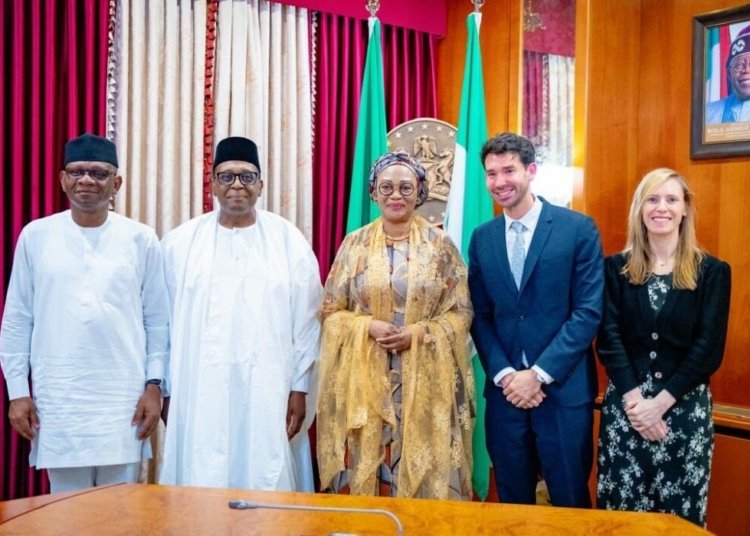

The Nigerian National Petroleum Company Limited (NNPC Ltd) has reaffirmed its commitment to industrial harmony following a meeting between its Group Chief Executive Officer, Bashir Ojulari, and the newly elected leadership of the Nigeria Union of Petroleum and Natural Gas Workers (NUPENG).
The meeting highlights the importance of sustained engagement between management and organised labour in maintaining stability across Nigeria’s petroleum industry. As the sector continues to navigate operational and commercial challenges, cooperation between employers and workers remains essential to productivity, workplace relations and the uninterrupted delivery of energy services.
By engaging the union’s new leadership, NNPC is signalling the importance of dialogue in addressing workers’ concerns, strengthening institutional relationships and preventing avoidable disputes from disrupting operations.
Moreover, the meeting provides an opportunity for both parties to establish a constructive working relationship and identify areas where consultation can improve the working environment.
NNPC Emphasises Industrial Harmony
Industrial harmony plays a significant role in the effective operation of the oil and gas sector, where disruptions can affect production, distribution and other essential activities.
Consequently, NNPC’s commitment to maintaining a productive relationship with NUPENG reflects the importance of resolving disagreements through communication and established labour relations mechanisms.
Dialogue allows management and union representatives to discuss issues affecting workers, clarify expectations and explore solutions before disagreements escalate into industrial disputes.
Furthermore, regular engagement can help build trust between the parties, particularly when workers believe that management takes their concerns seriously and responds through transparent processes.
However, sustaining industrial harmony requires more than meetings and public assurances. Both parties must maintain open communication, honour agreed commitments and address legitimate concerns through constructive negotiations.
For NNPC, this approach can support operational stability. For NUPENG, effective engagement provides a channel through which members’ interests can be represented and workplace concerns can receive attention.
Ojulari Engages the New NUPENG Leadership
The meeting between Ojulari and NUPENG’s newly elected leaders marks an important point of engagement between the national oil company and the workers’ union.
Leadership transitions within labour organisations can create opportunities to review priorities, strengthen communication and establish common ground with employers.
In this context, engagement with NNPC management can help the union communicate its expectations regarding workers’ welfare, workplace conditions and the broader interests of petroleum industry employees.
At the same time, management can use such discussions to explain operational priorities and identify areas where cooperation between the company and its workforce can improve performance.
A constructive relationship between both institutions is particularly important because the petroleum industry depends on coordinated activities across several stages, including production, processing, transportation and distribution.
Therefore, consistent communication can help both parties manage differences while keeping their attention on the long-term sustainability of the sector.
Workers’ Welfare Remains Important
Workers’ welfare is a central consideration in maintaining positive industrial relations. Employees who work under fair conditions, understand their responsibilities and have access to appropriate support can contribute more effectively to organisational performance.
For this reason, engagement between management and labour should provide opportunities to discuss workplace safety, staff development, compensation, working conditions and other issues relevant to employees.
The oil and gas industry also presents particular safety considerations because many workers operate in technically demanding environments. Strong safety standards, adequate training and effective reporting procedures are therefore important to protecting employees and maintaining operational reliability.
Furthermore, transparent communication can help prevent misunderstandings about company decisions and give workers a clearer understanding of management policies.
Although the meeting signals a commitment to cooperation, its lasting impact will depend on how both sides address practical concerns and follow through on any agreements reached.
Why Industrial Stability Matters to Nigeria’s Oil and Gas Sector
Nigeria’s petroleum industry remains an important part of the national economy, making stable operations significant for energy supply, government revenue and wider business activity.
Industrial disputes can create uncertainty, affect productivity and disrupt services when they interfere with essential operations. Consequently, maintaining constructive labour relations benefits not only employers and workers but also other stakeholders who depend on the sector.
NNPC’s engagement with NUPENG therefore reflects a broader need to balance commercial objectives with the interests of the workforce.
However, industrial harmony should not mean avoiding legitimate disagreements. Instead, effective labour relations provide a framework for discussing differences fairly and resolving them without unnecessary disruption.
Both management and union leaders have responsibilities in this process. Management must communicate decisions clearly and consider workers’ concerns, while union representatives must articulate members’ interests and engage constructively in negotiations.
When both sides maintain this balance, they can improve workplace confidence while supporting operational efficiency.
Dialogue as a Tool for Preventing Disputes
Preventing industrial disputes often begins with early communication. When workers and management can raise concerns through recognised channels, they have a better opportunity to resolve problems before they develop into wider disagreements.
Regular consultations, clear grievance procedures and timely responses can strengthen this process. In addition, transparent implementation of agreed measures can help both parties build confidence in their relationship.
The meeting between Ojulari and NUPENG’s new leadership provides a basis for continued engagement. Nevertheless, sustained cooperation will require both sides to maintain contact beyond formal meetings and demonstrate progress on issues that matter to their respective constituencies.
As Nigeria’s energy sector continues to evolve, constructive relations between employers and workers will remain an important part of maintaining reliable operations and supporting the industry’s long-term development.
Conclusion
NNPC’s pledge to promote industrial harmony following Ojulari’s meeting with NUPENG’s newly elected leaders underscores the importance of cooperation between management and organised labour.
The engagement creates an opportunity to strengthen communication, address workers’ concerns and support stability across the petroleum industry. However, the value of the meeting will ultimately depend on consistent dialogue, practical solutions and the fulfilment of commitments by both parties.
By maintaining a constructive relationship, NNPC and NUPENG can help create a more stable working environment while supporting the operational needs of Nigeria’s oil and gas sector.
About The Author