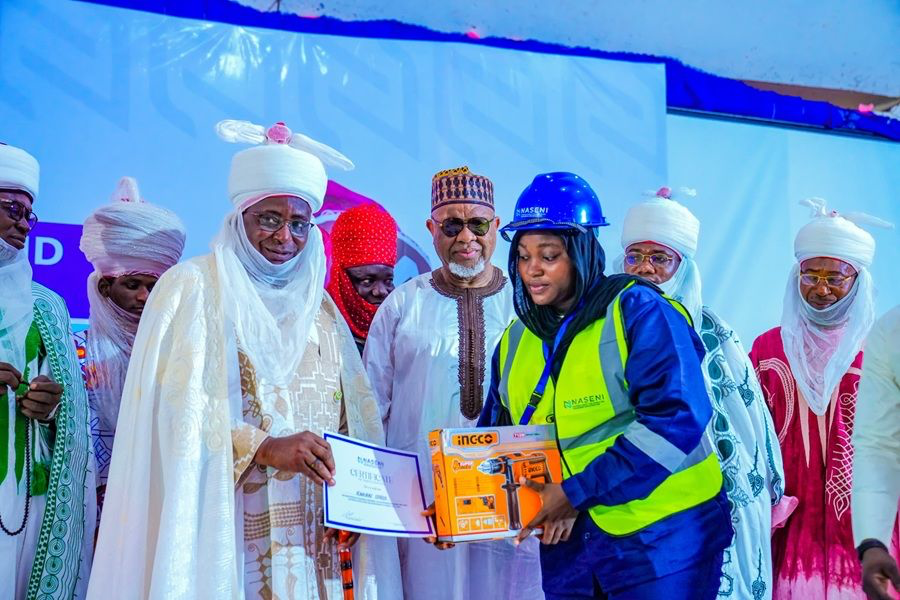
The National Agency for Science and Engineering Infrastructure (NASENI) has completed the training of 120 youths in Kogi State in electrical installation and maintenance, strengthening efforts to develop technical skills and expand economic opportunities for young Nigerians.
The programme forms part of broader efforts to promote vocational training, youth empowerment and indigenous technical capacity. By equipping participants with practical knowledge of electrical systems, the initiative aims to prepare them for employment opportunities while providing a foundation for those interested in establishing their own technical service businesses.
The training also aligns with NASENI’s mandate to support Nigeria’s science, engineering and technology development. A skilled technical workforce remains essential to maintaining electrical infrastructure, supporting businesses and improving the capacity of local industries.
However, the long-term value of the programme will depend on whether participants can apply their skills in the workplace, access the tools required for their trade and secure opportunities to build sustainable careers.
NASENI Strengthens Technical Skills Development
Electrical installation and maintenance are important technical occupations that support residential, commercial and industrial activities. Skilled electricians help install wiring systems, maintain electrical equipment, identify faults and ensure that electrical installations comply with applicable safety requirements.
By completing the training of 120 young people in Kogi State, NASENI has contributed to efforts to expand the pool of Nigerians with practical technical competencies.
Vocational training is particularly valuable because it combines theoretical knowledge with practical application. Participants can develop an understanding of electrical systems while learning the procedures required to install, inspect and maintain equipment.
Such competencies can help trainees pursue opportunities with construction companies, electrical contractors, maintenance firms and other organisations that require technical personnel.
Furthermore, participants may explore self-employment by providing electrical services to households, shops, offices and small businesses, subject to the necessary qualifications, certification and safety requirements.
The programme therefore offers a potential route into the labour market for young people seeking alternatives to traditional academic pathways.
Electrical Installation Skills Can Create Employment Opportunities
Demand for electrical installation and maintenance services is linked to construction, property development, business expansion and the upkeep of existing buildings.
New residential developments require properly installed electrical systems, while commercial facilities need regular maintenance to ensure that their equipment operates safely. Industrial operations also depend on technical personnel who can identify electrical faults and support equipment reliability.
Consequently, trained electrical technicians can serve a variety of customers across different sectors.
For young people, these skills may provide opportunities to earn income through formal employment, apprenticeships or independent service provision. Those who establish successful businesses may eventually employ assistants and apprentices, creating additional opportunities for others.
However, completing a training programme does not automatically guarantee employment. Participants may still need industry experience, relevant certification, professional connections and access to essential tools.
Connecting graduates with employers, contractors and business development support could therefore strengthen the programme’s impact beyond the training period.
Safety Remains Central to Electrical Work
Electrical installation and maintenance require strict adherence to safety procedures. Incorrect wiring, poor connections, overloaded circuits and improperly installed equipment can cause electric shocks, fires, equipment damage and other serious hazards.
For this reason, technical training must place safety at the centre of practical instruction.
Trainees need to understand the importance of isolating electrical supplies before working on installations, using appropriate protective equipment, selecting suitable materials and testing systems before putting them into service.
They must also recognise the limits of their competence and seek supervision or specialist assistance when dealing with tasks beyond their qualifications.
Proper grounding, circuit protection and compliance with applicable electrical standards are essential to ensuring that installations remain safe and reliable.
As the 120 beneficiaries move towards employment or other practical applications of their skills, continued professional development and adherence to safety requirements will remain important.
NASENI’s Role in Building Indigenous Technical Capacity
NASENI plays a role in Nigeria’s efforts to strengthen local science, engineering and technology capabilities. Its activities are intended to support the development of technical expertise and encourage greater participation in productive sectors of the economy.
Training programmes such as the initiative in Kogi State can contribute to these objectives by helping young people acquire skills that businesses and communities need.
A stronger pool of technical workers can support construction, equipment maintenance, manufacturing and other activities that depend on reliable engineering services.
In addition, developing local expertise can help reduce reliance on external service providers for routine technical work, provided that workers have the appropriate training, tools and experience.
The benefits can extend beyond individual trainees when their skills improve service availability, support business operations and contribute to local economic activity.
Nevertheless, sustained investment in technical education, modern training equipment and partnerships with industry will be necessary to build on the gains from individual programmes.
Supporting Youth Empowerment in Kogi State
The completion of the training provides an opportunity for the beneficiaries to apply their newly acquired knowledge and pursue economic opportunities.
For the programme to deliver lasting results, follow-up support could help participants transition from training into employment or self-employment. Such support may include career guidance, workplace placements, mentorship and connections with established electrical contractors.
Access to tools and business support could also help participants who intend to provide independent services. Basic business management knowledge, including pricing, customer relations and financial record-keeping, may improve their ability to operate sustainably.
Furthermore, tracking the beneficiaries after training would allow NASENI to assess how many secure jobs, establish businesses or continue developing their technical expertise.
These outcomes would provide a clearer picture of the programme’s contribution to youth empowerment and help identify improvements for future training initiatives.
Conclusion: Turning Training Into Sustainable Livelihoods
NASENI’s completion of electrical installation and maintenance training for 120 youths in Kogi State represents a practical step towards expanding technical skills and employment opportunities.
The programme has the potential to equip participants for work in construction, electrical services, facility maintenance and other sectors that require qualified technical personnel.
However, its lasting impact will depend on whether graduates can access work opportunities, obtain the necessary tools and continue developing their skills while observing professional safety standards.
By connecting training with industry needs, supporting participants after graduation and measuring employment outcomes, NASENI can strengthen the contribution of vocational education to Nigeria’s broader development objectives.
Ultimately, the real measure of success will be the extent to which the 120 beneficiaries turn their training into productive careers, viable businesses and improved livelihoods.
About The Author