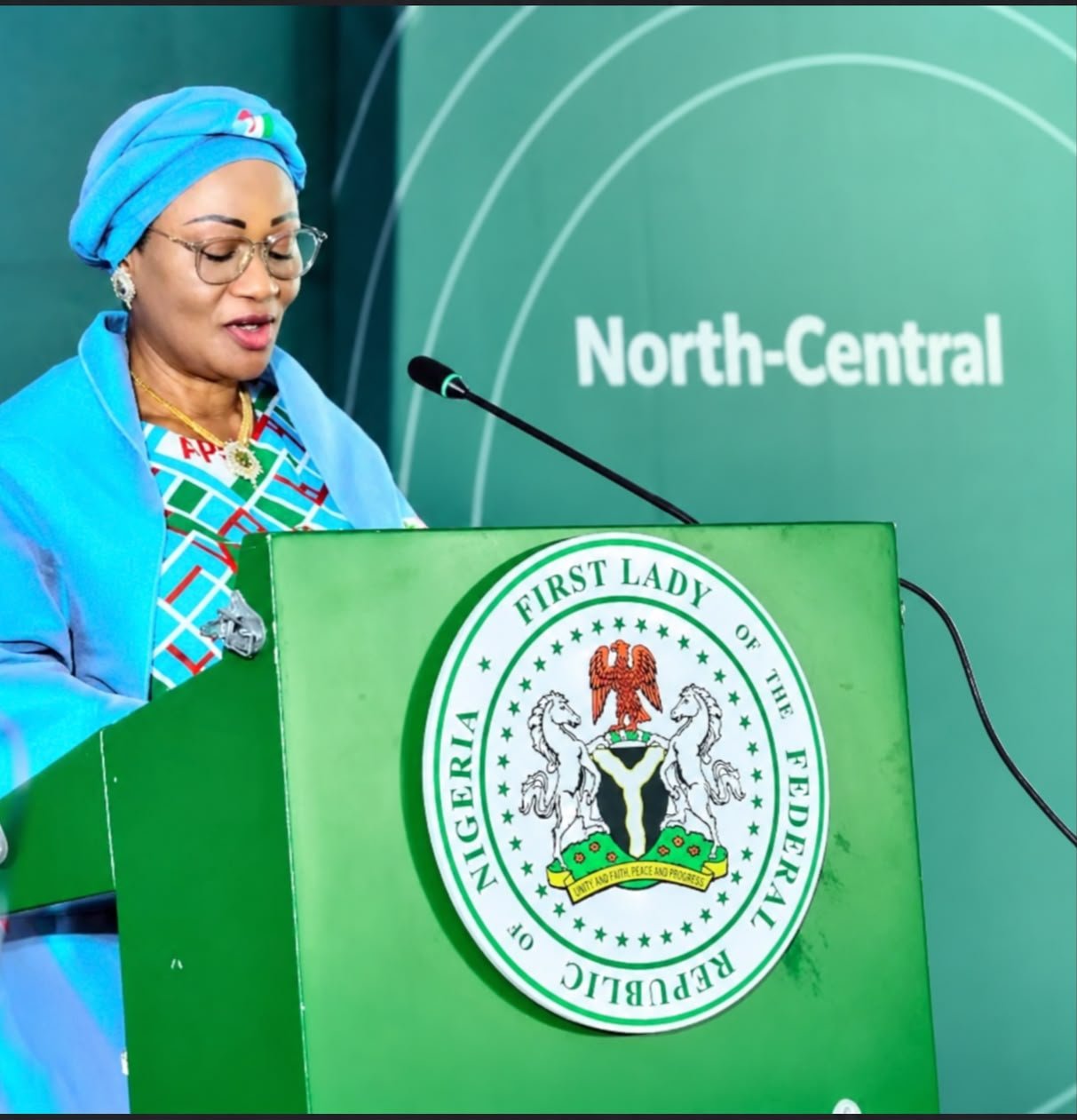
First Lady Senator Oluremi Tinubu has called on women and supporters of the All Progressives Congress (APC) to strengthen grassroots mobilisation and public engagement with the policies and programmes of the Federal Government ahead of the 2027 general elections.
The appeal forms part of the party’s broader efforts to organise its support base across states, local government areas, wards and communities, with women expected to play a prominent role in communicating the administration’s agenda and engaging voters.
At the centre of the First Lady’s message is the need to take political conversations beyond major gatherings and connect directly with people in their communities. This includes explaining government initiatives, listening to citizens’ concerns and ensuring that public engagement extends to those who may not regularly participate in political events.
Her call comes as the APC strengthens its women mobilisation structures ahead of the next general elections, with a renewed emphasis on community networks, voter education and coordinated outreach.
Women at the Centre of Grassroots Engagement
Women have long played important roles in political mobilisation in Nigeria, from organising community meetings and building local networks to encouraging participation in elections.
Senator Tinubu has repeatedly emphasised the importance of maintaining strong connections with voters. During an engagement with APC women leaders in June 2026, she stressed that political support depends on trust and sustained contact with people at the grassroots.
The latest mobilisation drive places that principle within the wider preparations for 2027. Rather than relying exclusively on rallies and public declarations of support, party organisers are being encouraged to strengthen relationships at the community level.
Women leaders can contribute through town hall meetings, market engagements, cooperative societies, faith-based networks and conversations with residents about issues affecting their daily lives.
Moreover, these interactions can provide opportunities for citizens to ask questions about government policies and communicate their expectations to political representatives.
However, effective engagement requires more than delivering prepared messages. It also depends on listening to concerns about the cost of living, employment, healthcare, education, security and access to economic opportunities.
Communicating Government Policies to Citizens
A major element of the First Lady’s appeal is the need to improve public understanding of the Federal Government’s programmes and policy direction.
Government policies can have different effects on households, businesses and communities. Consequently, explaining their objectives, eligibility requirements and practical implications can help citizens understand how particular initiatives are intended to work.
For APC supporters, this presents a responsibility to communicate information accurately and distinguish announced plans from programmes already implemented.
Where government initiatives offer assistance to eligible beneficiaries, community organisers can help explain the relevant requirements and direct interested citizens towards appropriate official channels.
Similarly, where policies create immediate difficulties or raise concerns among residents, grassroots engagement can provide a channel for gathering feedback and communicating those experiences to relevant authorities.
Such an approach would make political communication more responsive to the needs of communities rather than treating engagement as a one-way exercise.
It would also allow citizens to assess government claims against their own experiences and the information available to them.
APC Strengthens Its Women Mobilisation Structure
The appeal comes against the backdrop of the APC Presidential Campaign Council’s efforts to expand its women mobilisation network.
On October 5, 2026, the First Lady convened the Women Stakeholders’ Mobilisation and Empowerment Pre-Inaugural Summit in Abuja. The gathering brought together women leaders and stakeholders from the 36 states and the Federal Capital Territory as the party prepared its mobilisation structure for 2027.
The programme focused on strengthening coordination among women leaders and expanding engagement across communities. It also highlighted the role of women in voter education, political participation and communication of the administration’s agenda.
The campaign structure is intended to connect national-level planning with activities at the state, local government, ward and polling-unit levels.
For the party, this approach provides an organisational framework through which women’s groups and existing community networks can coordinate their activities ahead of the election.
Nevertheless, the effectiveness of the structure will depend on how consistently its members engage communities and how well they respond to local concerns.
Grassroots Mobilisation Beyond Election Rallies
Political mobilisation often becomes more visible during major rallies, but sustained engagement requires regular contact with citizens between such events.
Community meetings, market visits, women’s associations and local discussions can create opportunities to explain policies in familiar languages and address questions specific to particular areas.
Furthermore, grassroots organisers can help identify gaps between government communication and public understanding. When residents raise concerns about access to programmes or the effects of particular policies, those concerns can be documented and referred to the appropriate authorities.
This process can make political engagement more informative while giving citizens a clearer channel for expressing their views.
At the same time, political supporters must recognise that communities are not uniform. Residents may have different experiences of government policies, even within the same state or local government area.
Acknowledging those differences is important to meaningful public engagement. It allows discussions to move beyond general claims and focus on the issues that matter most to individual communities.
Women’s Participation and Political Representation
The mobilisation effort also draws attention to the broader role of women in Nigeria’s political process.
Beyond campaign activities, women’s participation includes voter education, policy discussions, party administration, community leadership and seeking elective or appointive positions.
Stronger grassroots networks can provide opportunities for women to develop organisational experience and take on greater responsibilities within political structures.
However, mobilisation and representation are not the same. While women may contribute significantly to campaign activities, their participation in decision-making and access to leadership opportunities remain important considerations in assessing political inclusion.
The forthcoming election cycle will therefore provide an opportunity to examine how parties translate their calls for women’s participation into practical roles within their organisations.
For the APC, sustained engagement with women across the country will remain a central part of its preparations for 2027.
Public Engagement and Accountability Ahead of 2027
As political activities intensify, communication about government policies is likely to become an increasingly prominent part of the electoral conversation.
The First Lady’s appeal places responsibility on women and party supporters to take that conversation to communities and explain the administration’s agenda. At the same time, voters will continue to assess government performance through their experiences, the information available to them and the issues they consider most important.
Credible public engagement requires accurate information, clear explanations and a willingness to address questions about both achievements and challenges.
It also requires organisers to distinguish between communicating a party’s position and presenting an independent assessment of policy outcomes.
Ultimately, the 2027 general elections will give Nigerians an opportunity to make their choices through the democratic process. As the APC builds its grassroots mobilisation network, the extent to which its organisers can sustain community engagement and communicate government policies clearly will form part of the party’s broader electoral preparations.
About The Author