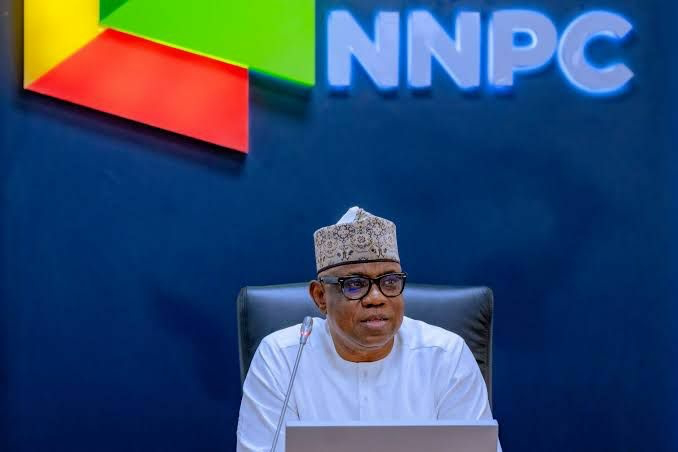

Senator Adams Oshiomhole remains one of Nigeria’s most prominent political figures. Having served as a labour leader, state governor, national party chairman, and now senator, his public comments often attract significant national attention and shape public discourse.
Against that backdrop, his recent assertion that the Nigerian National Petroleum Company Limited (NNPCL) is “filled with rogues” has generated widespread debate over governance, accountability, and transparency in one of Nigeria’s most strategic institutions.
Furthermore, the remark has renewed discussions about the importance of evidence-based criticism and institutional reforms within the public sector.
Accountability Must Be Matched With Credible Evidence
Public institutions should always remain open to scrutiny, particularly those that manage strategic national resources and significant public revenues. Citizens have a legitimate interest in demanding transparency and accountability from such organizations.
However, allegations of wrongdoing carry serious implications and should be supported by verifiable facts and credible evidence. Broad accusations against an entire institution can undermine public confidence and affect the morale of professionals who carry out their duties with integrity.
For that reason, any claims of misconduct should be followed by proper investigations through the appropriate legal and regulatory channels.
Strengthening Institutions Through Reform
Nigeria’s petroleum industry has undergone significant reforms in recent years, with efforts aimed at improving corporate governance, increasing transparency, and enhancing operational efficiency.
These reforms are intended to strengthen institutional performance while ensuring that the country’s energy resources contribute more effectively to national development.
Constructive criticism can support these objectives when it is accompanied by practical recommendations and factual evidence that help policymakers identify and address weaknesses within the system.
The Importance of Responsible Public Discourse
Political leaders occupy influential positions and their statements often shape public opinion. Consequently, public commentary on sensitive national institutions should encourage informed debate rather than deepen mistrust without substantiation.
Where concerns exist about financial management or governance practices, mechanisms such as legislative oversight, audits, regulatory reviews, and judicial processes provide appropriate avenues for accountability.
Such institutional processes help ensure that allegations are examined fairly while protecting the principles of due process and justice.
Transparency Remains Essential for Public Trust
The Nigerian public continues to expect openness and accountability from institutions responsible for managing national assets.
Regular financial disclosures, independent audits, and effective oversight mechanisms remain important tools for strengthening confidence in public institutions and ensuring responsible management of public resources.
At the same time, balanced public discourse that relies on facts rather than speculation contributes to stronger democratic institutions and more effective governance.
Balancing Criticism With Institutional Responsibility
Senator Adams Oshiomhole’s remarks have sparked renewed conversation about transparency and governance within NNPCL. While robust public debate is an important feature of democracy, allegations of misconduct are most effective when supported by clear evidence and pursued through established legal and institutional processes.
Ultimately, Nigeria’s progress depends not only on demanding accountability but also on strengthening institutions through fairness, transparency, and constructive engagement that promotes lasting reform and public confidence.
About The Author