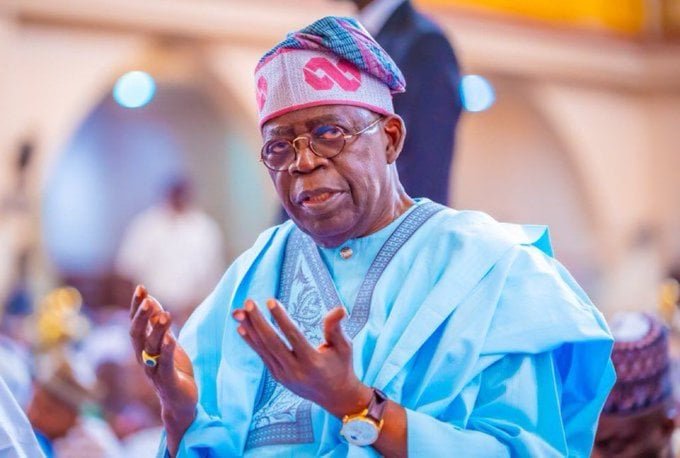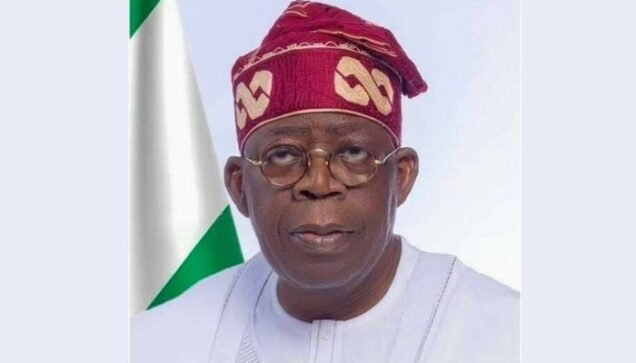
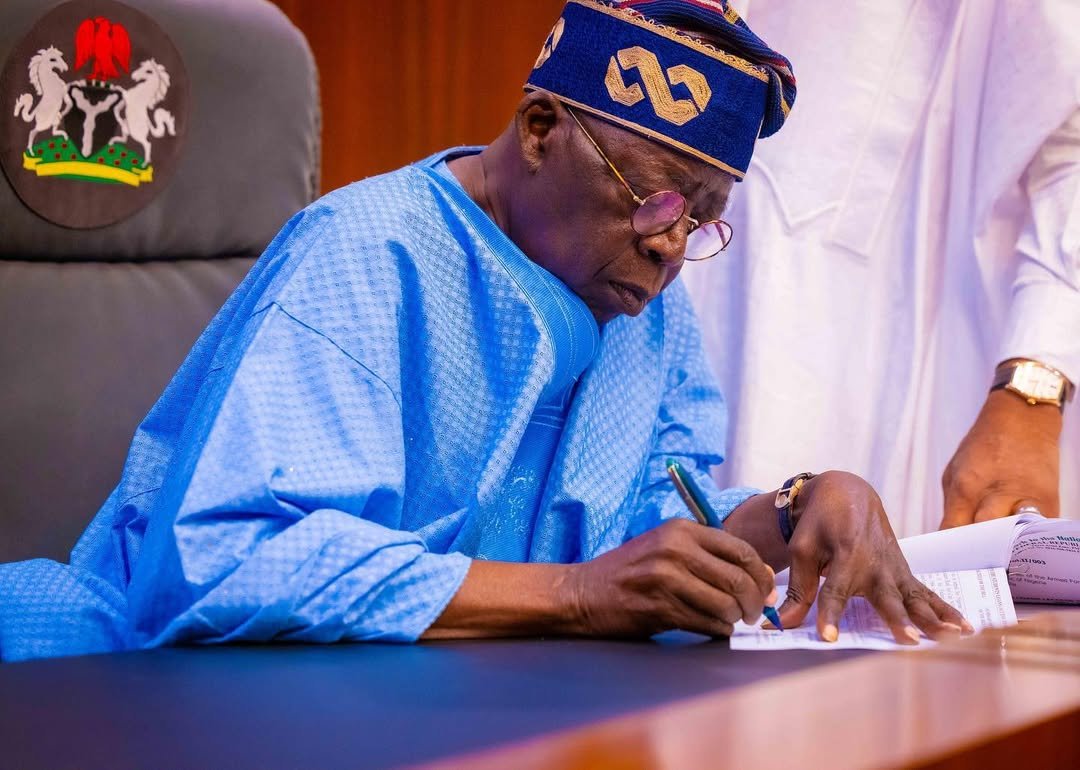
Traditional rulers from the Osun West Senatorial District have commended President Bola Ahmed Tinubu for approving the reconstruction of the 90.9-kilometre Osogbo-Iwo-Ibadan Road, describing the project as a transformative infrastructure intervention that will stimulate economic activities and strengthen connectivity across the South-West region.
The monarchs noted that the road serves as a critical transportation corridor linking communities, businesses and commercial centres within the region.
According to them, the reconstruction project demonstrates the Federal Government’s commitment to improving infrastructure and supporting economic development through strategic investments in road networks.
They expressed optimism that the project would significantly improve mobility, reduce travel difficulties and create new opportunities for trade and investment.
A Strategic Transportation Corridor
The Osogbo-Iwo-Ibadan Road remains one of the important routes connecting major communities in the South-West.
For years, residents, transport operators, farmers and business owners have relied on the road for the movement of goods, services and people.
However, concerns over the condition of sections of the road have often highlighted the need for comprehensive rehabilitation and reconstruction.
The traditional rulers observed that improved road infrastructure would contribute to safer transportation while reducing travel time for commuters and commercial operators.
Furthermore, better road networks are expected to strengthen economic interactions between communities and support regional integration.
Driving Economic Development
Infrastructure development continues to play a vital role in economic growth and national competitiveness.
Road projects often serve as catalysts for investment, commerce and productivity by improving access to markets and reducing transportation costs.
The monarchs emphasized that the reconstruction of the Osogbo-Iwo-Ibadan Road would positively impact local economies by facilitating easier movement of agricultural products, manufactured goods and commercial services.
Farmers, traders and small business owners are expected to benefit from improved access to consumers and business opportunities.
According to the traditional rulers, stronger transportation infrastructure can help unlock economic potential across communities situated along the corridor.
Strengthening Social and Community Connectivity
Beyond economic benefits, the project is also expected to improve social connectivity among communities within the region.
Road infrastructure often influences access to education, healthcare services, public institutions and social interactions.
Improved transportation networks can therefore enhance quality of life by making essential services more accessible to residents.
The monarchs noted that stronger connections between communities contribute to social cohesion, cultural exchange and broader regional development.
Consequently, the project is viewed not only as an infrastructure investment but also as a tool for promoting inclusion and community engagement.
Recognition of Infrastructure Priorities
The traditional rulers commended the Federal Government for prioritising infrastructure projects capable of generating long-term benefits for citizens.
Across the country, road construction and rehabilitation remain central components of development strategies aimed at improving productivity and attracting investment.
Supporters of the project argue that sustained infrastructure development remains necessary for achieving broader economic transformation goals.
The monarchs expressed appreciation for the administration’s attention to projects that directly impact communities and support regional growth.
They also encouraged continued investment in transportation infrastructure across different parts of the country.
The Role of Traditional Institutions
Traditional rulers continue to play important roles in community development, advocacy and stakeholder engagement.
Their support for major public projects often reflects the expectations and aspirations of the communities they represent.
By welcoming the reconstruction initiative, the monarchs signalled strong community support for infrastructure investments capable of improving livelihoods and development outcomes.
Observers note that collaboration between government institutions and traditional leaders can contribute positively to project implementation and public acceptance.
Such partnerships often help strengthen communication between authorities and local communities.
Looking Ahead
The commendation by traditional rulers from Osun West Senatorial District highlights the significance of the 90.9-kilometre Osogbo-Iwo-Ibadan Road reconstruction project for communities across the South-West.
As work progresses, residents and stakeholders will be looking forward to improvements in transportation efficiency, economic activity and social connectivity.
For many observers, the project represents a strategic investment capable of supporting regional development while improving everyday experiences for road users.
Ultimately, the reconstruction of the road reinforces the critical role infrastructure plays in driving economic growth, enhancing mobility and strengthening national development across Nigeria.
About The Author