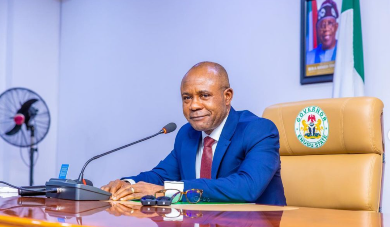
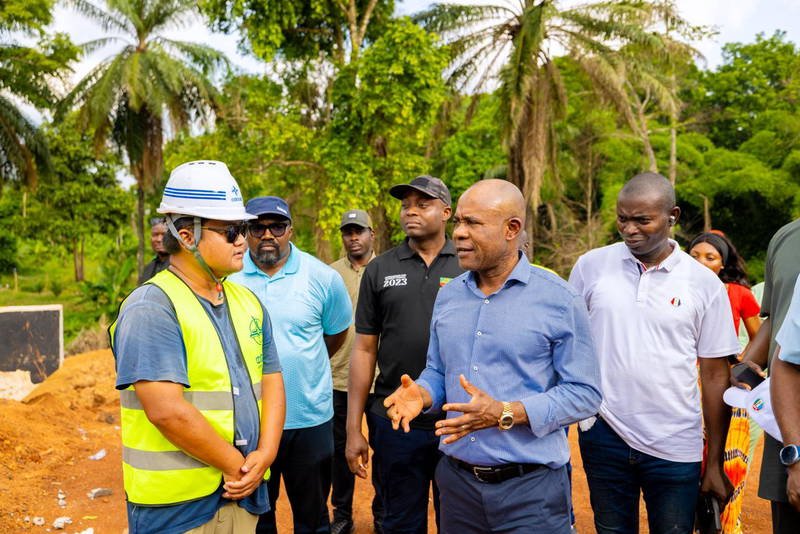
Governor Peter Mbah of Enugu State has conducted an extensive inspection of major road and infrastructure projects executed by his administration as preparations intensify for their inauguration in the coming weeks.
The inspection tour provided the governor with an opportunity to assess the progress and quality of several strategic projects designed to improve transportation, enhance economic activities, and strengthen public infrastructure across the state.
According to government officials, the projects form part of the administration’s broader agenda to modernise infrastructure, improve connectivity, and create an environment that supports investment, business growth, and sustainable development.
The exercise also allowed the governor to engage directly with contractors and project supervisors while ensuring that the facilities meet the required standards before commissioning.
Infrastructure at the Centre of Development Strategy
Since assuming office, Mbah has consistently identified infrastructure development as one of the pillars of his administration’s transformation agenda.
Road construction, urban renewal initiatives, transportation upgrades, public utilities, and social infrastructure projects have received significant attention as the government seeks to accelerate economic growth and improve living standards.
Modern infrastructure remains a critical component of development because it facilitates the movement of goods and services, improves access to markets, reduces travel time, and supports productive economic activities.
Consequently, investments in roads and public facilities are often viewed as essential tools for driving long-term growth and competitiveness.
Improving Connectivity Across Communities
One of the key objectives of the ongoing infrastructure drive is to improve connectivity between communities and economic centres within the state.
Well-constructed roads play an important role in linking rural and urban areas, enhancing access to healthcare facilities, schools, commercial hubs, and government services.
Improved transportation networks can also reduce logistics costs for businesses while encouraging investment in previously underserved areas.
For residents and commuters, better road infrastructure often translates into safer travel conditions, shorter journey times, and improved convenience in daily activities.
These benefits contribute directly to economic productivity and overall quality of life.
Stimulating Economic Growth
Infrastructure development is widely recognised as one of the most effective drivers of economic expansion.
Construction activities generate employment opportunities, while completed projects create conditions that encourage business growth and private sector investment.
Improved road networks often attract commercial activities by making it easier for businesses to transport products, access customers, and expand operations.
Markets, industrial clusters, agricultural producers, and service providers all benefit from improved mobility and logistics efficiency.
The administration believes that ongoing infrastructure investments will strengthen the state’s economic foundation and support future growth opportunities.
Preparing for Commissioning
The inspection exercise forms part of final preparations before the official commissioning of the completed projects.
Project inaugurations typically represent important milestones because they mark the transition from construction to public use.
For government officials, commissioning ceremonies provide opportunities to showcase completed initiatives and demonstrate progress on development commitments.
For citizens, they signify the delivery of public investments intended to improve everyday life and expand access to essential services.
The governor emphasized the importance of ensuring that all projects meet quality standards before being opened for public use.
Focus on Quality and Accountability
Beyond completing projects, the administration has repeatedly stressed the importance of quality execution and value for public resources.
Regular inspections help identify potential issues early while ensuring that contractors comply with approved specifications and timelines.
Such oversight is increasingly important as citizens demand greater accountability and transparency in public infrastructure delivery.
Quality infrastructure not only reduces future maintenance costs but also ensures that investments continue generating benefits for communities over the long term.
This commitment to standards remains central to the government’s project implementation approach.
Residents Anticipate Benefits
Many residents and stakeholders have expressed optimism regarding the projects scheduled for inauguration.
Improved infrastructure is expected to enhance transportation, facilitate commercial activities, and contribute to broader social and economic development.
Community leaders and business operators often regard road improvements as catalysts for local growth because they increase accessibility and support economic interactions.
The anticipated commissioning of the projects therefore represents a significant moment for communities expected to benefit directly from the investments.
Building for the Future
Infrastructure development remains a long-term undertaking that requires consistent investment and strategic planning.
Governments that prioritise infrastructure frequently aim to create foundations capable of supporting future economic opportunities and population growth.
The projects inspected by Governor Mbah reflect broader efforts to position Enugu as a competitive destination for investment, enterprise development, and modern urban growth.
Such initiatives are expected to complement other government programmes focused on education, healthcare, agriculture, technology, and economic diversification.
Looking Ahead
The inspection of major road and infrastructure projects by Governor Peter Mbah signals the administration’s readiness to inaugurate a new phase of development projects across Enugu State.
As commissioning dates approach, residents and stakeholders will be watching closely to see how these investments contribute to improved mobility, stronger economic activity, and enhanced public services.
Ultimately, the success of the projects will be measured by their ability to improve daily life, support business growth, and advance the state’s long-term development aspirations.
About The Author