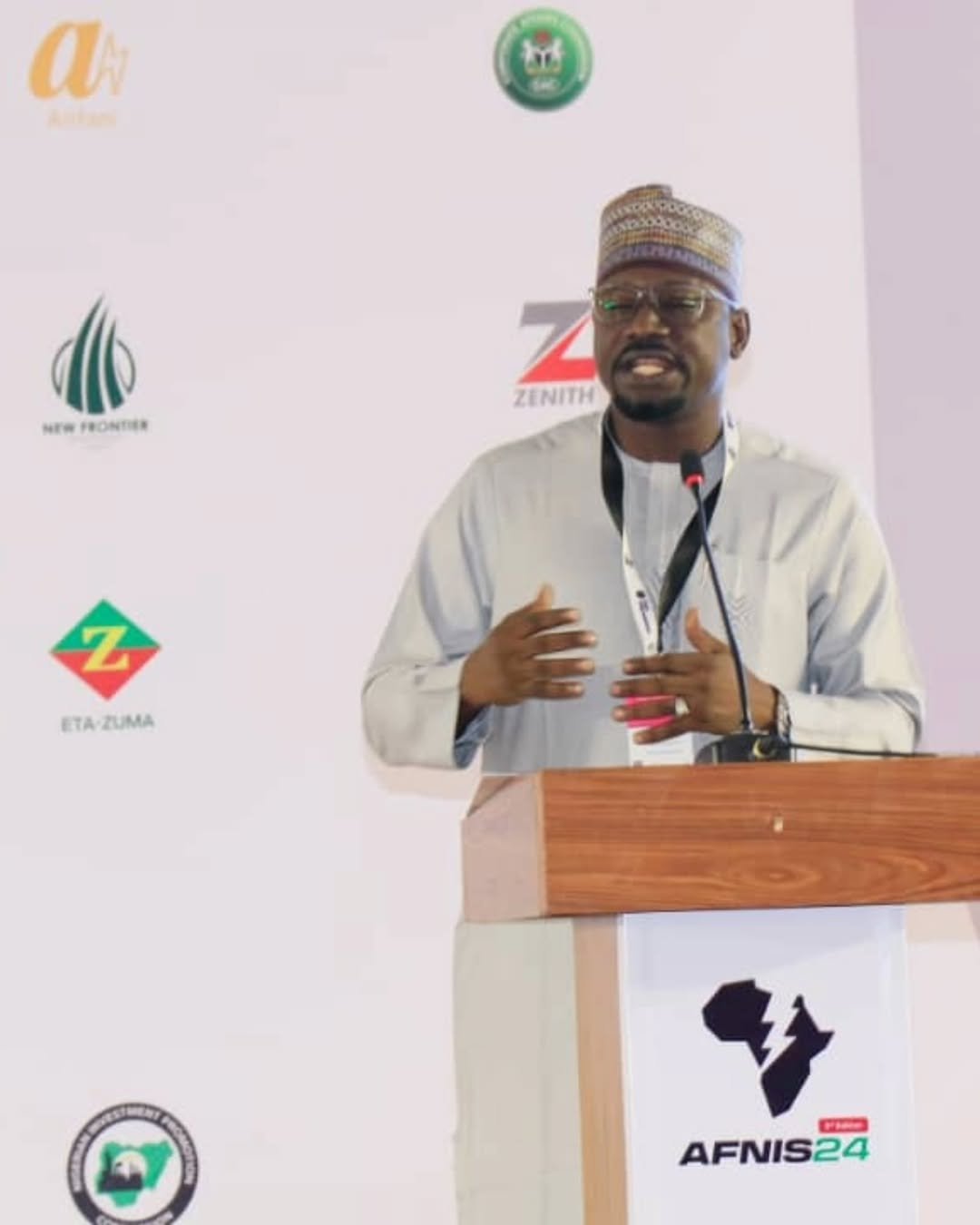
The Rural Electrification Agency will headline discussions on Nigeria’s renewable energy transition and decarbonisation agenda at the 2026 Oriental News National Conference, bringing together policymakers, industry leaders, investors and development stakeholders to explore practical pathways toward a low-carbon economy.
The conference comes at a crucial time as Nigeria intensifies efforts to expand clean energy access, reduce carbon emissions and strengthen sustainable economic growth.
Stakeholders are expected to focus on addressing the financing and regulatory challenges that continue to slow the country’s renewable energy development and broader energy transition objectives.
Driving the Renewable Energy Conversation
As one of the leading institutions promoting clean energy access in Nigeria, the REA has played a significant role in expanding renewable energy solutions, particularly in underserved and off-grid communities.
Through various intervention programmes, the agency has supported the deployment of solar mini-grids, solar home systems and other sustainable energy solutions designed to improve electricity access and stimulate economic activities.
Consequently, its participation at the conference is expected to provide valuable insights into ongoing efforts to accelerate renewable energy adoption across the country.
Addressing Financing Challenges
Access to adequate financing remains one of the most significant barriers to renewable energy expansion in Nigeria.
While investor interest in clean energy continues to grow, many projects still face challenges related to capital mobilisation, affordability and long-term funding structures.
Participants at the conference are therefore expected to examine innovative financing mechanisms that can attract greater investment into renewable energy infrastructure.
Furthermore, discussions will likely explore partnerships between government institutions, development finance organisations and private-sector investors to bridge funding gaps and accelerate project implementation.
Strengthening the Regulatory Environment
Regulatory issues remain another critical factor influencing the pace of Nigeria’s energy transition.
Industry stakeholders have consistently emphasized the need for clear, predictable and investor-friendly policies that encourage long-term investment in clean energy projects.
The conference will provide a platform for examining regulatory reforms capable of supporting innovation, improving market confidence and enhancing sector competitiveness.
Additionally, stakeholders are expected to discuss strategies for aligning energy policies with national climate and development objectives.
Advancing Decarbonisation Goals
Nigeria’s commitment to reducing carbon emissions and promoting sustainable development has placed renewable energy at the centre of national policy discussions.
The transition to cleaner energy sources is increasingly viewed as essential for addressing climate change, improving energy security and supporting economic diversification.
The REA is expected to highlight ongoing initiatives that contribute to decarbonisation while expanding access to reliable and affordable electricity.
Moreover, renewable energy investments continue to create opportunities for job creation, industrial development and technological innovation.
Creating Opportunities Through Clean Energy
Beyond environmental benefits, renewable energy has emerged as a powerful driver of economic growth and social development.
Improved electricity access supports businesses, enhances productivity and creates opportunities in sectors such as agriculture, manufacturing, healthcare and education.
Consequently, stakeholders at the conference are expected to explore how clean energy investments can contribute to broader national development priorities while improving living standards for millions of Nigerians.
Looking Ahead
The participation of the Rural Electrification Agency at the 2026 Oriental News National Conference underscores the growing importance of renewable energy and decarbonisation in Nigeria’s development agenda.
As discussions focus on financing solutions, regulatory reforms and sustainable energy strategies, stakeholders will be seeking actionable recommendations capable of accelerating the country’s transition toward a low-carbon future.
Ultimately, stronger collaboration, innovative financing and supportive policies will be critical to unlocking the full potential of renewable energy and building a more resilient, sustainable and prosperous economy for Nigeria.
About The Author