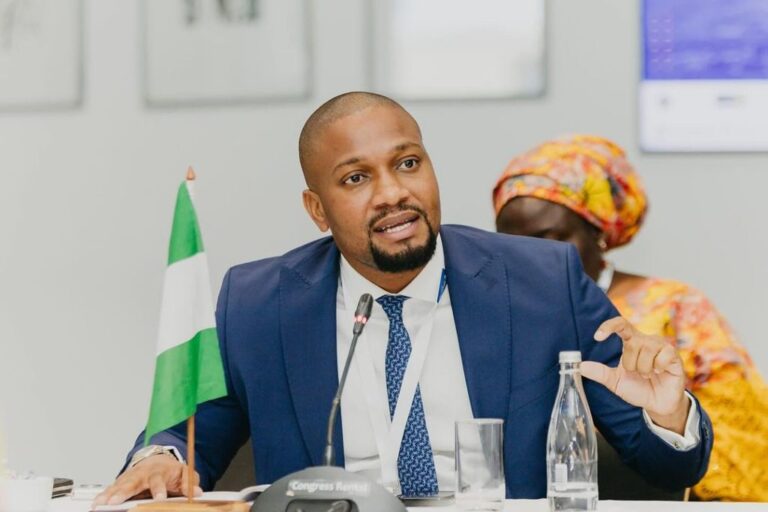

Nigeria’s First Lady, Oluremi Tinubu, has called for increased domestic financing and sustained collaboration to strengthen ongoing efforts aimed at eliminating malaria across Nigeria.
The First Lady emphasized the importance of stronger national commitment, improved healthcare partnerships, and coordinated interventions in tackling one of the country’s most persistent public health challenges. Therefore, her remarks reflect growing attention on the need for sustainable healthcare funding and collective action to improve public health outcomes nationwide.
Malaria remains a major health concern across Africa.
Why Malaria Remains a Serious Public Health Challenge
Malaria continues affecting millions of people annually.
The disease, transmitted through infected mosquitoes, remains particularly common in many tropical regions, including parts of Nigeria. Therefore, malaria prevention and treatment continue occupying central positions within national healthcare priorities.
Children and pregnant women remain especially vulnerable.
Health experts frequently warn that malaria contributes significantly to hospital visits, school absences, reduced productivity, and preventable deaths.
Public health interventions remain essential.
The Importance of Domestic Financing
Sustainable healthcare programmes often require reliable funding.
Domestic financing allows countries to maintain long-term healthcare interventions without depending entirely on external assistance. Therefore, increased national investment may strengthen malaria prevention campaigns, treatment access, healthcare infrastructure, and public awareness programmes.
Strong funding improves healthcare delivery.
Healthcare systems often function more effectively when governments invest consistently in medical supplies, personnel training, research, and disease prevention initiatives.
Financial commitment supports sustainability.
Why Collaboration Matters in Healthcare
Public health challenges often require collective action.
Governments, healthcare institutions, international organizations, private sector partners, and community groups frequently work together to address diseases effectively. Therefore, collaboration remains important for expanding healthcare access and improving disease control strategies.
Partnerships improve resource coordination.
Shared expertise, funding, research, and community engagement often strengthen healthcare interventions and programme implementation.
Cooperation improves public health outcomes.
Remi Tinubu’s Advocacy for Public Health
Oluremi Tinubu has continued supporting social welfare and healthcare-related initiatives across Nigeria.
The First Lady frequently advocates programmes involving women, children, healthcare access, education, and social development through public engagement and national campaigns. Therefore, her call for stronger malaria interventions aligns with broader efforts to improve national wellbeing.
Public advocacy increases awareness.
National campaigns often encourage citizens and institutions to participate actively in health improvement efforts.
Leadership influences public engagement.
The Economic Impact of Malaria
Malaria affects economic productivity significantly.
Frequent illness often reduces workforce efficiency, increases healthcare costs, disrupts education, and places financial pressure on families and healthcare systems. Therefore, reducing malaria cases may improve both public health and economic stability.
Healthy populations support national growth.
Countries with stronger healthcare outcomes often experience better productivity and improved quality of life.
Disease prevention strengthens development.
Prevention as a Key Strategy
Preventing malaria remains more effective than managing outbreaks.
Mosquito control measures, treated bed nets, environmental sanitation, early diagnosis, and access to healthcare services often reduce infection rates significantly. Therefore, sustained investment in preventive healthcare remains important.
Awareness campaigns improve community participation.
Public education frequently helps communities adopt healthier practices and reduce exposure to disease risks.
Healthcare access improves treatment outcomes.
Nigeria’s Ongoing Fight Against Malaria
Nigeria continues implementing various malaria control initiatives.
Government agencies, healthcare organizations, and international partners remain involved in vaccination campaigns, mosquito control programmes, medical research, and public awareness efforts aimed at reducing malaria prevalence nationwide.
Healthcare reforms continue expanding.
Improved healthcare infrastructure and stronger disease prevention systems remain important for long-term public health progress.
National commitment supports healthcare goals.
Global Efforts to Eliminate Malaria
Malaria elimination remains a major global health objective.
International organizations and health agencies continue encouraging countries to strengthen prevention systems, healthcare financing, research, and cross-border cooperation in combating malaria. Therefore, domestic commitment remains essential for achieving broader international health targets.
Global partnerships support healthcare progress.
Research, funding, and innovation continue shaping modern malaria prevention and treatment strategies worldwide.
Collective action improves outcomes.
Why Community Participation Matters
Communities play major roles in disease prevention.
Environmental cleanliness, early treatment, proper healthcare practices, and awareness campaigns often contribute significantly to reducing malaria transmission. Therefore, citizen participation remains important for successful healthcare interventions.
Grassroots engagement strengthens public health programmes.
Local cooperation often improves the effectiveness of prevention campaigns and healthcare outreach initiatives.
Awareness encourages healthier communities.
Looking Ahead
Nigeria’s fight against malaria is expected to continue receiving national attention.
As healthcare stakeholders strengthen partnerships and funding efforts, focus will likely remain on prevention, treatment access, healthcare education, and sustainable public health strategies nationwide.
Healthcare development remains a national priority.
Conclusion: Strengthening the Fight Against Malaria Through Funding and Partnership
The call by Oluremi Tinubu for increased domestic financing and stronger collaboration highlights the importance of sustained commitment in combating malaria across Nigeria.
As governments, healthcare institutions, and development partners continue working together, stronger investment and coordinated action may help improve healthcare outcomes, reduce disease burden, and strengthen national wellbeing.
Ultimately, defeating malaria will depend on sustained financing, effective partnerships, public awareness, and collective responsibility toward building healthier communities.
About The Author