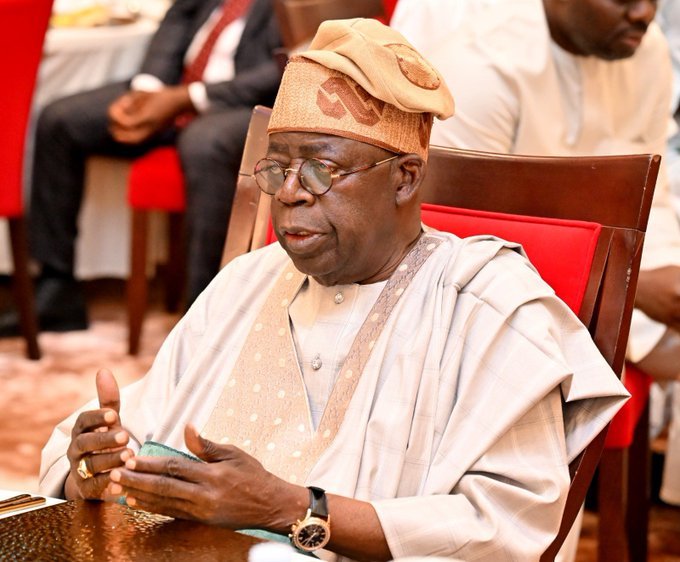
Bola Ahmed Tinubu has commended the founder of TOS Foundation Africa, Osasu Igbinedion Ogwuche, for her commitment to promoting gender equity and inclusive governance through the targeted training and empowerment of young women leaders across Nigeria.
The commendation highlights increasing national attention on the importance of women’s participation in leadership, governance, and national development. Therefore, the recognition reflects broader conversations surrounding inclusion, youth empowerment, and equal opportunities within political and social institutions.
Leadership development remains essential for sustainable progress.
Why Gender Equity Matters in Governance
Inclusive governance strengthens democratic systems.
Societies often achieve stronger development outcomes when women and men participate actively in decision-making processes across political, economic, and social sectors. Therefore, promoting gender equity may improve representation, innovation, and policy effectiveness.
Diverse leadership encourages broader perspectives.
Women leaders frequently contribute valuable insights involving education, healthcare, economic inclusion, social welfare, and community development.
Balanced representation supports stronger institutions.
The Role of TOS Foundation Africa
TOS Foundation Africa continues focusing on leadership development and social impact initiatives.
The organization has become associated with programmes aimed at empowering young women through mentorship, leadership training, governance education, and capacity-building opportunities. Therefore, its efforts contribute to expanding participation among emerging female leaders within Nigeria’s public and private sectors.
Training strengthens leadership readiness.
Young professionals and aspiring leaders often benefit from mentorship, networking opportunities, and practical governance education.
Empowerment encourages civic participation.
Osasu Ogwuche’s Advocacy for Women Leadership
Osasu Igbinedion Ogwuche has increasingly become recognized for supporting initiatives centered on women empowerment and inclusive leadership.
Advocacy efforts focusing on education, mentorship, and leadership development often help create pathways for greater female participation within governance and decision-making spaces. Therefore, such initiatives may contribute to long-term institutional inclusion and social progress.
Representation influences future opportunities.
Visible female leadership often inspires younger generations to pursue professional and civic leadership roles.
Mentorship strengthens confidence and capacity.
Youth Empowerment and National Development
Young people remain central to Nigeria’s future.
Nigeria possesses one of Africa’s largest youth populations, creating significant opportunities for innovation, entrepreneurship, governance participation, and social transformation. Therefore, leadership programmes targeting young women may help strengthen national development capacity.
Youth leadership supports institutional continuity.
Emerging leaders often shape future governance systems, public policies, and economic development strategies.
Empowered youth contribute positively to society.
The Importance of Leadership Training
Leadership skills require continuous development.
Training programmes often equip participants with communication skills, policy understanding, strategic thinking abilities, and governance knowledge necessary for effective leadership. Therefore, structured mentorship and educational initiatives remain important for preparing future leaders.
Knowledge improves decision-making capacity.
Leadership education frequently strengthens confidence, professionalism, and civic responsibility.
Capacity-building supports long-term impact.
Women and Inclusive Governance
Inclusive governance promotes fairness and participation.
Many global institutions increasingly emphasize the importance of ensuring women have equal access to leadership opportunities and public decision-making processes. Therefore, initiatives encouraging female participation align with broader international development goals.
Women continue contributing across sectors.
Female professionals increasingly influence politics, business, education, healthcare, technology, and civil society organizations worldwide.
Inclusion strengthens national progress.
Tinubu’s Position on National Development
Bola Ahmed Tinubu has repeatedly emphasized the importance of human capital development and inclusive growth.
The administration continues supporting initiatives involving youth empowerment, education, entrepreneurship, and institutional reforms aimed at improving opportunities across different sectors. Therefore, the President’s commendation reflects broader national priorities involving inclusion and leadership development.
Development depends on collective participation.
Countries often progress more effectively when citizens from diverse backgrounds contribute actively to governance and innovation.
Leadership diversity improves institutional resilience.
The Global Conversation Around Gender Inclusion
Gender inclusion remains a major international development priority.
Governments, organizations, and advocacy groups worldwide continue encouraging policies that improve educational access, economic participation, and leadership opportunities for women and girls. Therefore, initiatives promoting gender equity increasingly receive recognition both nationally and internationally.
Empowerment strengthens social stability.
Communities often benefit when women gain greater access to education, leadership roles, and economic opportunities.
Inclusive systems encourage sustainable development.
Looking Ahead
Leadership development initiatives targeting young women are expected to continue expanding.
As conversations around inclusion, representation, and governance evolve, organizations promoting mentorship and empowerment may play increasingly important roles in shaping future leadership landscapes across Nigeria.
Youth participation will remain critical for national growth.
Conclusion: Promoting Inclusive Leadership for Nigeria’s Future
The commendation by Bola Ahmed Tinubu for Osasu Igbinedion Ogwuche and the work of TOS Foundation Africa underscores the growing importance of gender equity and inclusive governance within Nigeria’s development agenda.
By supporting the training and empowerment of young women leaders, such initiatives may help strengthen representation, encourage civic participation, and prepare future generations for leadership responsibilities.
Ultimately, inclusive leadership and equal opportunities remain essential for building stronger institutions, promoting innovation, and advancing sustainable national development in Nigeria.
About The Author