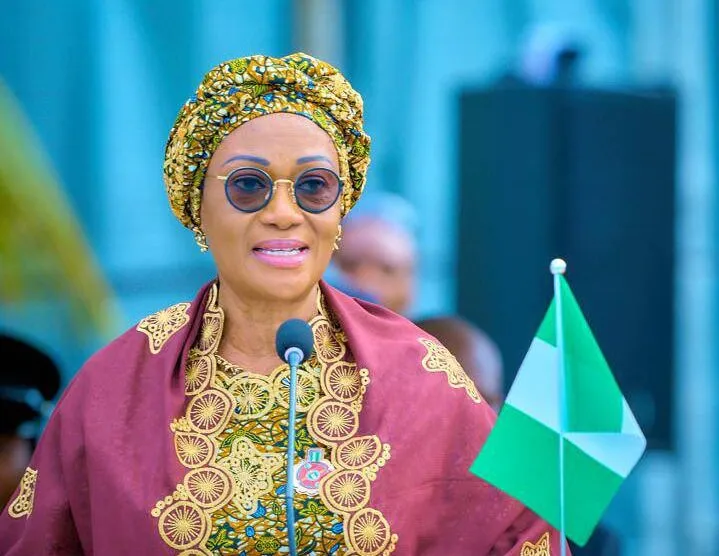
The First Lady of the Federal Republic of Nigeria, Senator Oluremi Tinubu, has distributed cash support and gift items to 500 market women in Cross River State as part of efforts to strengthen small businesses and deepen grassroots mobilisation ahead of the 2027 general elections.
The initiative highlights the importance of women traders in local economic activities and the role targeted support can play in helping small-scale entrepreneurs manage the financial demands of their businesses.
Across Nigeria, market women occupy an important position in the informal economy. They distribute essential goods, connect producers with consumers and sustain commercial activities within communities. However, many operate small businesses with limited access to affordable finance, modern facilities and other resources that could help them expand.
Against this background, the support extended to 500 market women in Cross River brings attention to the economic value of investing in grassroots entrepreneurs while also placing the intervention within the wider political mobilisation ahead of the next general election.
500 Market Women Receive Cash Support and Gift Items
The distribution of cash support and gift items to 500 market women represents a targeted intervention aimed at supporting traders and strengthening their businesses.
For small-scale traders, access to additional funds can make a difference in daily operations. Many rely on limited working capital to purchase stock, restock essential products, pay for transportation and meet other business expenses.
Consequently, financial assistance can provide some relief, particularly for women who operate businesses with narrow profit margins and limited access to formal financing.
The gift items also form part of the support distributed to the beneficiaries, although the specific items and individual cash amounts have not been stated in the information provided.
Beyond the immediate assistance, the intervention draws attention to the importance of recognising women as active participants in economic development rather than viewing them only as beneficiaries of social support.
Women traders contribute to household incomes, provide employment opportunities and sustain commercial activities that support communities across the country.
Supporting Women-Owned Small Businesses
Small businesses remain an important part of Nigeria’s economy, providing livelihoods for millions of people and supporting the movement of goods and services across local markets.
For many women, trading offers an opportunity to earn income, support their families and maintain a degree of financial independence. However, operating a small business can involve considerable challenges, particularly when access to capital remains limited.
Market women frequently need working capital to maintain stock levels and respond to changes in customer demand. When available funds are insufficient, businesses may struggle to expand, take advantage of new opportunities or withstand unexpected financial pressures.
This makes targeted financial interventions relevant to discussions about women’s economic empowerment.
The support extended to the 500 beneficiaries in Cross River could help some traders address immediate business needs and strengthen their capacity to continue operating.
Nevertheless, lasting business growth requires more than one-time assistance. Access to affordable credit, financial literacy, reliable electricity, improved market infrastructure and business development support can help women-owned enterprises become more sustainable.
Why Market Women Matter to Grassroots Economic Development
Markets remain important centres of economic and social activity in Nigerian communities. They provide access to food, household products, clothing and other essential goods while supporting networks of traders, suppliers, transporters and customers.
Women play a significant role in this commercial environment. From small retail stalls to larger trading operations, their activities help maintain the supply of everyday products and sustain local economic relationships.
Their contribution also extends into household welfare. Income generated through trading often supports children’s education, healthcare, food purchases and other family responsibilities.
Therefore, supporting market women can have implications beyond individual businesses. When traders maintain their operations and improve their earnings, the benefits can extend to their families and the communities in which they operate.
The Cross River intervention places this contribution at the centre of a wider conversation about inclusive economic development and the need to create more opportunities for women entrepreneurs.
Economic Support and Grassroots Mobilisation Ahead of 2027
The distribution also comes within the context of preparations and political mobilisation ahead of Nigeria’s 2027 general elections.
The First Lady’s intervention has been linked to efforts to strengthen grassroots mobilisation, highlighting how community-level engagement and economic support can intersect during the period leading to an election.
Political mobilisation often involves building relationships with different groups, understanding local concerns and maintaining communication with communities. Market women represent an important constituency in this regard because of their visibility, commercial networks and influence within local communities.
However, economic assistance and political participation remain distinct considerations. Beneficiaries retain the right to make independent political decisions, and the distribution of support should not be interpreted as evidence of their political preferences or electoral commitments.
As political activities increase, the relationship between public interventions, community engagement and electoral mobilisation will remain an important subject for public discussion.
For any intervention involving public figures and political activities, transparency about its objectives, funding and implementation can also help strengthen public understanding and accountability.
The Need for Sustainable Support for Women Traders
While the distribution to 500 market women provides immediate assistance, the wider challenge of strengthening women-owned businesses requires sustained attention.
Many small-scale entrepreneurs need more than cash support to overcome the obstacles affecting their businesses. Access to affordable financing, improved storage facilities, better transportation networks and reliable market infrastructure can help reduce operating costs and improve productivity.
Financial literacy and business management training can also help traders maintain proper records, manage cash flow and make informed decisions about reinvesting profits.
Furthermore, stronger access to digital payment systems and online marketplaces could help women traders reach more customers and improve the way they manage transactions.
These measures can complement direct financial assistance and create opportunities for small businesses to grow beyond subsistence-level operations.
For Cross River and other states, expanding access to such support could contribute to stronger local markets and greater economic participation among women.
Strengthening Women’s Participation in Nigeria’s Economy
The intervention involving 500 market women reflects the importance of including grassroots entrepreneurs in conversations about economic empowerment and national development.
As Nigeria continues to address economic pressures and pursue wider development priorities, supporting small businesses remains an important part of improving household incomes and creating sustainable livelihoods.
Senator Oluremi Tinubu’s distribution of cash support and gift items in Cross River has brought attention to the needs of women traders while connecting the initiative with grassroots mobilisation ahead of 2027.
Ultimately, the long-term value of the intervention will depend not only on the immediate assistance received by beneficiaries but also on whether women-owned businesses can access sustained opportunities to grow, improve their earnings and contribute more effectively to the economy.
The broader challenge remains building an environment in which market women and other small-scale entrepreneurs can operate with greater financial security, improved infrastructure and access to the resources needed to achieve lasting business growth.
About The Author