
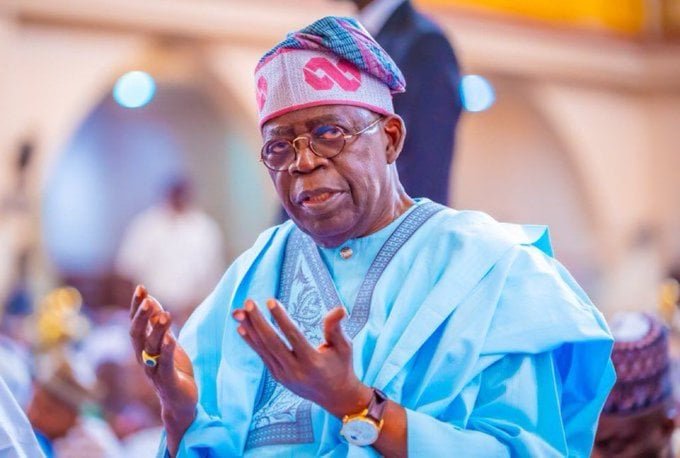
President Bola Ahmed Tinubu has been granted rare access inside the Ka’abah, one of the most sacred sites in Islam, during his visit to Saudi Arabia. The moment carries considerable religious significance, given the Ka’abah’s central place in Islamic worship and the limited nature of access to its interior.
The President’s entry into the sacred structure has also brought attention to his reaffirmation of commitment to Nigeria, linking a significant spiritual experience with the responsibilities of national leadership.
For many Muslims, the Ka’abah represents the focal point of daily prayers and the spiritual centre of the annual Hajj pilgrimage. Consequently, entering its interior is regarded as a rare privilege, making the experience particularly meaningful for those who receive the opportunity.
The Spiritual Significance of the Ka’abah
Located within the Masjid al-Haram in Makkah, Saudi Arabia, the Ka’abah occupies a central position in Islam. Muslims across the world turn towards it during their five daily prayers, making it a unifying symbol for the global Muslim community.
The structure also stands at the heart of the Hajj pilgrimage, which brings millions of Muslims to Makkah each year. Its religious importance extends beyond its physical appearance, as it represents devotion, unity and the shared spiritual direction of Muslims worldwide.
Access to the interior of the Ka’abah remains restricted and is not part of the ordinary experience of pilgrims. Therefore, being granted entry represents an uncommon opportunity, particularly for visiting dignitaries and other distinguished guests.
Tinubu’s access to the sacred interior has consequently attracted attention, placing his visit within the broader context of the religious and diplomatic relationship between Nigeria and Saudi Arabia.
Tinubu Reaffirms His Commitment to Nigeria
Beyond the religious significance of the visit, the President’s reaffirmation of commitment to Nigeria places the moment within the context of his responsibilities as the country’s leader.
National leadership requires continuous attention to the country’s economic, security and social challenges. Nigeria, with its diverse population and complex development priorities, needs sustained efforts to strengthen institutions, improve economic opportunities and promote national unity.
Tinubu’s renewed commitment therefore provides an opportunity to reflect on the expectations Nigerians place on their leaders, particularly regarding policies and decisions that affect everyday life.
For citizens, expressions of commitment carry greater meaning when they translate into measurable progress. Economic stability, improved public services, employment opportunities, security and a stronger business environment remain important areas through which Nigerians assess the direction of national leadership.
The President’s statement also reinforces the connection between personal conviction and public responsibility, especially at a time when citizens continue to look towards government for solutions to pressing national concerns.
A Moment That Connects Faith and Leadership
Religious experiences often hold personal significance for public officeholders, particularly when they take place at sites regarded as sacred by millions of people.
For Tinubu, entering the Ka’abah represents an experience with considerable spiritual importance. However, the wider public interest also reflects the relationship between faith, leadership and the expectations associated with holding the highest political office in Nigeria.
Nigeria is home to people of different religious traditions, ethnic backgrounds and cultural identities. As a result, national leadership requires an understanding of the country’s diversity and a commitment to protecting the rights and interests of every citizen.
The President’s reaffirmation of commitment to Nigeria can therefore be considered against the broader responsibility of building a country where citizens enjoy security, equal opportunities and the freedom to practise their beliefs.
Nigeria-Saudi Arabia Relations
The visit also highlights the importance of Nigeria’s relationship with Saudi Arabia, particularly in religious affairs, diplomacy, trade and economic cooperation.
Saudi Arabia remains an important destination for Nigerian Muslims undertaking Hajj and Umrah. Every year, Nigerian pilgrims travel to the Kingdom to participate in religious activities that form an essential part of their spiritual lives.
Beyond pilgrimage, relations between both countries provide opportunities for engagement in areas of mutual interest. Diplomatic cooperation, investment, commerce and people-to-people connections all contribute to the relationship.
High-level visits can provide opportunities to strengthen these connections, although the broader value of diplomatic engagement ultimately depends on practical cooperation and outcomes that benefit both countries.
The Expectations That Accompany a Renewed Commitment
While the opportunity to enter the Ka’abah carries exceptional religious significance, the President’s reaffirmation of commitment to Nigeria also brings attention back to the demands of governance.
Nigerians continue to expect progress in areas that directly affect their livelihoods. The cost of living, access to quality healthcare and education, infrastructure development, employment and national security remain important concerns for households and businesses.
Addressing these challenges requires consistent policy implementation, effective public institutions and accountability across government. It also requires sustained engagement with citizens, whose experiences provide an important measure of the impact of government decisions.
For the Tinubu administration, reaffirming commitment to Nigeria means maintaining focus on these responsibilities and ensuring that national development remains central to its priorities.
A Significant Visit with a National Message
Tinubu’s rare access inside the Ka’abah stands out as a significant moment during his visit to Saudi Arabia, given the structure’s exceptional place in Islamic faith and the restrictions surrounding entry into its interior.
His reaffirmation of commitment to Nigeria adds a national dimension to the experience, drawing attention to the responsibilities that accompany leadership and the expectations of citizens.
Ultimately, the significance of the moment will be understood through both its spiritual meaning and the President’s continued responsibilities at home. As Nigerians look towards the future, the emphasis remains on translating commitments into policies, actions and results that improve lives, strengthen national unity and advance the country’s development.
About The Author