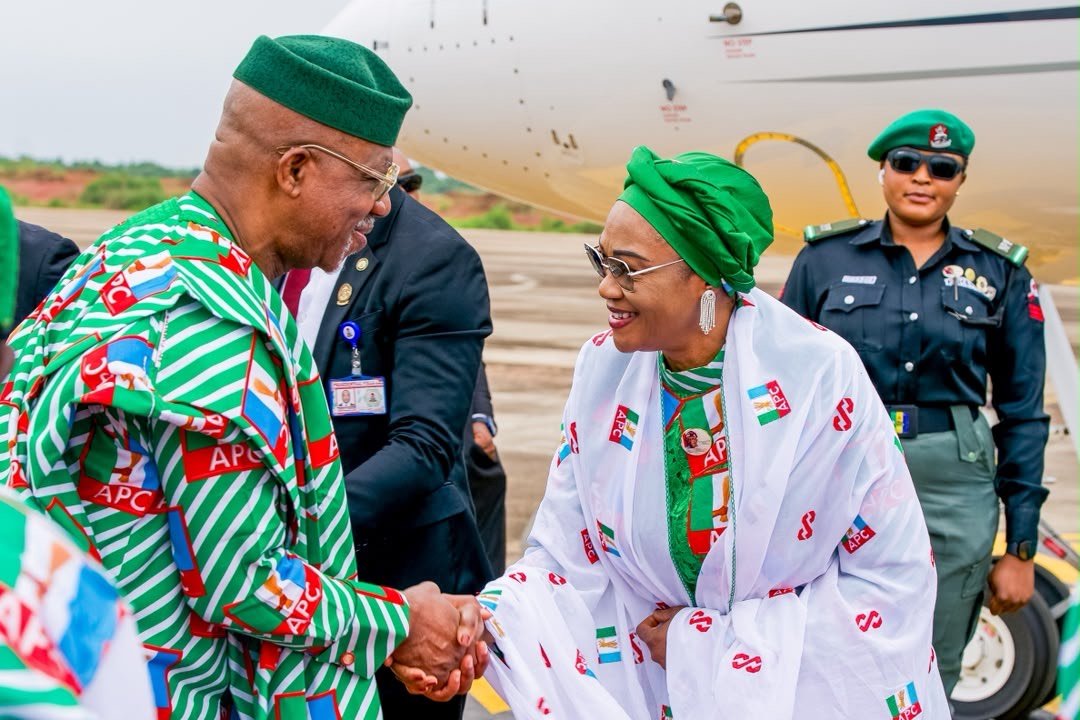
Within the space of a day, First Lady Senator Oluremi Tinubu commissioned the President Muhammadu Buhari Estate and the Gateway Medical Centre of Excellence, while also witnessing the South-West zonal launch of the National Community Food Bank Programme.
The series of engagements brought housing, healthcare, food security, and community development into focus, highlighting the Federal Government’s broader emphasis on improving social welfare and supporting vulnerable Nigerians.
The activities in Ogun State also provided an opportunity to showcase projects and programmes designed to address some of the everyday challenges facing families and communities.
A Day Focused on Human Development
The First Lady’s engagements covered three major areas of public welfare.
Furthermore, decent housing can provide families with greater stability and security, while quality healthcare can improve access to essential medical services.
Food security also remains critical because households need reliable access to nutritious meals before they can fully participate in economic and social activities.
Together, the three areas represent important components of human development.
Muhammadu Buhari Estate Commissioned
One of the major events was the commissioning of the President Muhammadu Buhari Estate in Ogun State.
Furthermore, the housing project reflects the growing emphasis on providing decent and affordable accommodation for Nigerians.
Housing remains an important challenge for many families, particularly as urban populations continue to expand.
A well-planned housing estate can provide residents with more than shelter.
It can create organised communities.
It can improve access to basic infrastructure.
It can support safer living environments.
It can also stimulate economic activity through construction and related services.
Healthcare Takes Centre Stage
The First Lady also commissioned the Gateway Medical Centre of Excellence, bringing healthcare into the centre of the day’s activities.
Furthermore, access to quality healthcare remains essential for improving the wellbeing of families and communities.
A modern medical centre can strengthen access to diagnosis and treatment.
It can also provide employment opportunities for medical professionals and support staff.
When properly equipped and managed, such facilities can reduce the need for patients to travel long distances to access specialised healthcare.
Importance of Medical Infrastructure
Healthcare infrastructure can influence both individual wellbeing and economic productivity.
Furthermore, families often face financial difficulties when serious medical conditions require expensive treatment or long-distance travel.
Accessible healthcare can reduce some of these burdens.
It can also encourage people to seek medical attention earlier rather than delaying treatment because of cost or distance.
Strong medical facilities can therefore contribute to healthier communities and a more productive population.
Food Bank Programme Expands Reach
The First Lady’s schedule also included the South-West zonal launch of the National Community Food Bank Programme.
Furthermore, the programme aims to strengthen efforts to support vulnerable and indigent residents while addressing food insecurity and malnutrition.
Food assistance can provide immediate relief for households facing financial pressure.
It can also help vulnerable families maintain access to basic nutritional needs during difficult periods.
The South-West launch provides an opportunity to extend the programme’s reach across the region.
Supporting Vulnerable Nigerians
Food insecurity affects households differently, with some families struggling to afford sufficient quantities of nutritious food.
Furthermore, vulnerable groups can face even greater difficulties during periods of economic pressure.
Community food banks can provide targeted assistance.
They can also help connect government interventions with people who need support most urgently.
Effective distribution remains important because the success of any food assistance programme depends heavily on reaching intended beneficiaries.
Connecting Social Programmes
The First Lady’s activities demonstrate how different social interventions can complement one another.
Furthermore, housing can provide stability, healthcare can protect wellbeing, and food support can address immediate nutritional needs.
A family with secure housing can experience greater stability.
A healthy family can participate more effectively in education and employment.
Adequate nutrition can improve physical wellbeing.
These areas are therefore closely connected within broader social development.
Ogun State Becomes a Focus
Ogun State provided the setting for the three major engagements.
Furthermore, the state’s proximity to Lagos and its growing population make infrastructure development particularly important.
Rapid urbanisation can increase demand for housing.
Population growth can place additional pressure on healthcare facilities.
Economic expansion can also increase demand for social services.
Projects addressing these needs can therefore have significant implications for residents.
Government Partnerships Matter
The projects and programmes also demonstrate the importance of cooperation between federal, state, and community-level institutions.
Furthermore, social development programmes often require coordination to achieve sustainable results.
Government agencies can provide funding and policy support.
State authorities can facilitate implementation.
Local institutions can help identify beneficiaries.
Community organisations can provide additional support.
Such partnerships can improve the reach and effectiveness of public interventions.
From Commissioning to Long-Term Impact
While commissioning ceremonies mark important milestones, the long-term impact of the projects will depend on their continued operation.
Furthermore, housing estates require effective maintenance and infrastructure management.
Medical centres require qualified personnel, equipment, medicines, and reliable funding.
Food banks require consistent supplies and transparent distribution systems.
Sustaining these components will determine whether the projects deliver lasting benefits.
A Broader Renewed Hope Message
The First Lady’s engagements also reinforce the wider message of the Renewed Hope agenda.
Furthermore, the administration has continued to present social investment, infrastructure development, healthcare, housing, and food security as important elements of its development programme.
These initiatives seek to provide practical support while creating conditions that can improve quality of life.
Their success will ultimately depend on effective implementation and sustained investment.
Impact on Families
For ordinary families, the significance of these interventions lies in their potential practical benefits.
Furthermore, affordable housing can reduce pressure on household accommodation expenses.
Accessible healthcare can reduce barriers to treatment.
Food support can assist households struggling with rising living costs.
When combined, these interventions can provide support across several dimensions of family welfare.
Looking Ahead
First Lady Oluremi Tinubu’s activities within a single day brought together three major areas that directly affect the wellbeing of Nigerians: housing, healthcare, and food security.
The commissioning of the President Muhammadu Buhari Estate and Gateway Medical Centre of Excellence, alongside the South-West launch of the National Community Food Bank Programme, created a strong focus on social development in Ogun State.
Ultimately, the lasting significance of the First Lady’s busy day will depend on whether these projects and programmes continue to deliver affordable housing, accessible healthcare, reliable food assistance, and meaningful improvements in living conditions for Nigerians, particularly vulnerable families and communities.
About The Author