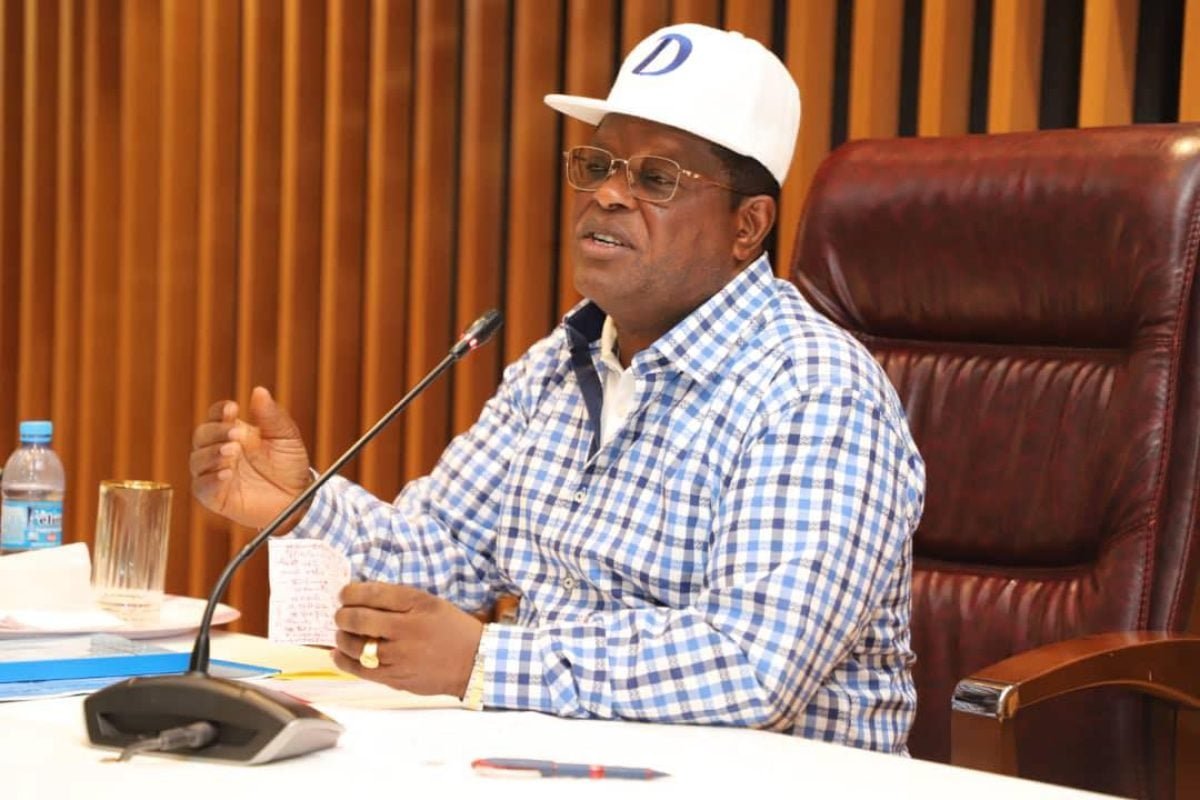
The Minister of Works, Senator David Umahi, has dismissed speculation that the Federal Government has abandoned the Lagos-Calabar Coastal Highway, reaffirming the administration’s position on one of Nigeria’s major ongoing road infrastructure projects.
The minister’s response comes amid public interest in the highway’s progress, funding, construction activities and long-term significance for transportation and economic development. The project is intended to improve connectivity along Nigeria’s coastline, linking communities and commercial centres across several states.
The controversy surrounding the project’s status highlights the importance of clear communication about construction progress, funding arrangements and implementation timelines, particularly for infrastructure projects that span extensive distances and require substantial investment.
Umahi Provides Update on Construction Progress
In an update published by the Federal Ministry of Works on October 7, Umahi identified the Lagos-Calabar Coastal Highway as one of the Federal Government’s four major legacy road projects aimed at improving national connectivity and facilitating the movement of people and goods.
The minister disclosed that the first section, covering approximately 47 kilometres, had been completed, while significant progress had been recorded on Section Two, which spans about 55 kilometres. Pavement works on the second section were nearing completion, alongside the construction of flyovers, overpasses and underpasses.
He also explained that some sections of the route had undergone redesign to accommodate existing and planned infrastructure, including developments around the Dangote Refinery and Lekki Deep Seaport.
These adjustments, according to the ministry’s update, are intended to address engineering challenges and improve coordination between road, rail and industrial infrastructure.
Route Changes and Engineering Challenges
The highway has attracted public debate over its route, environmental implications, procurement and construction costs. In particular, the proposed alignment in Ondo State has generated petitions and concerns about changes to the original route.
Umahi has defended the adjustments, citing difficult terrain, deep pits and the need to avoid excessive construction costs. He has maintained that engineering considerations informed the decisions.
The ministry has also said that the highway’s alignment is being reviewed in some areas to improve integration with existing roads and other infrastructure.
While such changes can be necessary during major construction projects, clear communication about the reasons for route adjustments, their costs and their implications for affected communities remains important to public accountability.
Economic Importance of the Coastal Highway
The Lagos-Calabar Coastal Highway is intended to connect coastal communities and commercial centres across southern Nigeria. Supporters of the project argue that improved road connectivity could facilitate trade, tourism, agriculture and industrial development.
The highway could also improve movement between major economic locations and create employment opportunities during construction and related activities.
However, the scale of the project makes questions about financing, environmental management, land acquisition, construction standards and delivery timelines important to its overall assessment.
Its long-term benefits will depend on the quality of construction, effective maintenance and how successfully the road connects with other transport infrastructure.
Questions of Transparency and Accountability
Although Umahi has rejected claims that the project has been abandoned, continued public reporting on its progress will be essential.
Updates on completed sections, ongoing construction, funding arrangements and revised timelines can help Nigerians assess whether implementation is proceeding as planned.
Independent scrutiny of procurement, expenditure and environmental safeguards also remains relevant to a project of this scale. Such oversight does not necessarily imply that a project has been abandoned; rather, it helps establish whether public infrastructure is being delivered efficiently and responsibly.
For communities along the route, information about construction schedules, access arrangements and any changes affecting their properties will also be important.
Federal Government Reaffirms Commitment to Completion
The Federal Ministry of Works continues to list the Lagos-Calabar Coastal Highway among the administration’s major infrastructure projects, while Umahi’s recent updates describe construction progress across several sections.
His rejection of abandonment claims therefore comes alongside the government’s stated intention to continue work on the highway, although individual sections remain at different stages of development.
Ultimately, the key measure will be the completion of the planned works and the delivery of a safe, functional road that meets its stated objectives.
For now, Umahi has dismissed speculation that the Federal Government has abandoned the Lagos-Calabar Coastal Highway, while the project’s progress, costs, route decisions and eventual completion remain matters of public interest.
About The Author