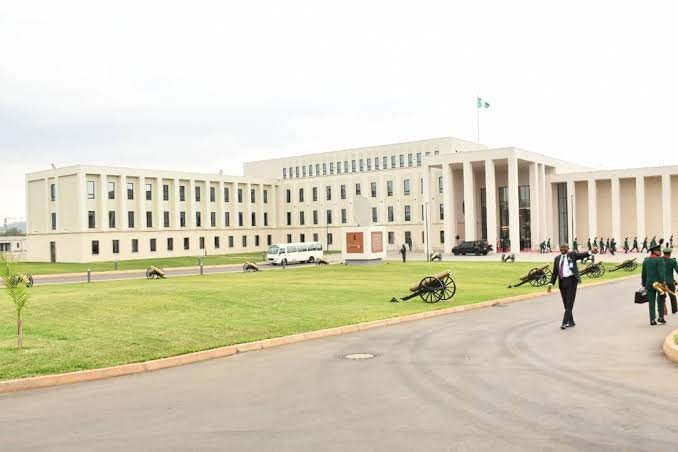

Nigeria’s ambition to build a stronger technology economy is increasingly extending beyond conventional innovation hubs and office complexes. Through the development of Abuja Tech City and the wider Abuja CityWalk smart-city vision, attention is shifting towards an integrated environment where technology businesses, research institutions, residential communities, commercial districts and green infrastructure can operate within a connected urban ecosystem.
The vision reflects a broader effort to strengthen Abuja’s position in Nigeria’s innovation economy while attracting domestic and international investment. Rather than creating a technology park in isolation, the emerging CityWalk master plan seeks to combine business, education, housing, hospitality, culture and public infrastructure within a single development.
The scale is considerable. The CityWalk master plan covers approximately 250 hectares, while its first phase is designed to deliver 245,000 square metres of built space. However, these figures represent the planned development footprint and proposed construction programme, not a claim that the entire area or Phase One has already been completed.
Understanding that distinction is essential when assessing the project’s progress, investment potential and likely contribution to Nigeria’s technology ecosystem.
Abuja CityWalk: Building a New Technology and Business District
Abuja CityWalk is a privately funded, mixed-use smart-city development planned along the corridor connecting Abuja’s Central Business District with Nnamdi Azikiwe International Airport.
The master plan is designed to create an integrated district where commercial activity, residential communities, cultural facilities and innovation infrastructure can support one another.
Its development includes a proposed technology village, an Abuja Silicon Valley concept and a knowledge park intended to accommodate two universities. The wider plan also incorporates hospitals, diagnostic centres, hotels, residential developments, retail destinations and civic facilities.
This combination is important because technology ecosystems require more than buildings occupied by software developers. They depend on access to skilled workers, research institutions, investors, customers, transport, reliable utilities and an environment in which businesses can attract and retain talent.
By bringing these functions together, CityWalk’s developers aim to create an environment that supports business formation, investment and wider economic activity.
The project is being developed within a government-designated Free Trade Zone, a status intended to make the district more attractive to international businesses and investors.
The 250-Hectare Master Plan and 245,000 Square Metres of Phase One Development
The physical scale of Abuja CityWalk is one of its defining features.
The master plan spans approximately 250 hectares, equivalent to 2.5 million square metres of land. Within this wider development, Phase One is designed to deliver approximately 245,000 square metres of built space.
That proposed construction programme includes several components, rather than technology offices alone. The initial phase encompasses cultural facilities, residential developments, retail and leisure spaces, offices, a hotel, educational facilities, a university campus and a hospital.
A key component is the proposed Art District, which includes approximately 12,000 square metres of cultural space within a mixed-use development.
The master plan also identifies major architectural and entertainment features, including a proposed 450-metre tower and an indoor multipurpose arena with a planned capacity of 13,000 seats.
These facilities demonstrate the project’s ambition to operate as a major urban destination rather than a conventional industrial or technology estate.
Nevertheless, the 245,000-square-metre figure represents planned Phase One built space. It should not be described as completed construction or existing occupied floor area without verified delivery records.
A Green Smart Ecosystem Designed Around Sustainability
One of the most significant elements of the CityWalk vision is its emphasis on climate-responsive urban planning.
Rapid urban development can create environmental pressures, particularly when buildings, roads and paved surfaces replace natural vegetation. Without appropriate planning, cities can experience higher temperatures, increased surface runoff, drainage problems and reduced access to green public spaces.
CityWalk’s master plan attempts to address these concerns through landscape infrastructure designed to support environmental resilience.
The development’s landscape strategy proposes 40 per cent urban canopy cover, using trees and landscaped areas to provide shade, reduce heat-island effects and improve the quality of public spaces.
The plan also incorporates a network of swales, wetlands and permeable surfaces intended to slow, store and filter stormwater. These features are designed to create a sponge-city approach, allowing the landscape to absorb and manage rainfall rather than relying exclusively on conventional drainage infrastructure.
The proposed green spine, known as The Ravine, is intended to connect different parts of the development while supporting ecological restoration and public wellbeing.
In addition, the master plan includes a low-carbon mobility network involving shuttles, bicycles and other forms of micromobility. By reducing dependence on private vehicles for short journeys, the development aims to make movement within the district more efficient and environmentally responsible.
These features are important because a smart city should not be defined only by digital infrastructure. It should also demonstrate how technology, urban design and environmental planning can work together to improve everyday life.
Technology, Innovation and the Abuja Startup Ecosystem
The proposed technology village and Abuja Silicon Valley component are central to the development’s innovation ambitions.
The objective is to create an environment where technology companies, researchers, investors, universities and entrepreneurs can interact and develop commercial opportunities.
Potential areas of activity include artificial intelligence, fintech, clean technology, digital services, research and advanced manufacturing.
Abuja already has a growing technology and startup community. According to StartupList Africa’s directory, 244 startups were listed as based in Abuja as of November 5, 2026, with approximately $534 million in disclosed funding across the listed companies.
This figure provides an indication of the wider city’s entrepreneurial activity. However, it is not a count of businesses operating inside CityWalk, nor does it represent venture capital committed to the development itself.
The distinction is important because an established citywide startup ecosystem does not automatically translate into a fully operational technology district.
For CityWalk to attract these businesses, it will need to provide more than attractive buildings. Startups require affordable workspace, reliable electricity, high-speed connectivity, access to investors, business support, skilled employees and opportunities to reach customers.
The proposed knowledge park and university facilities could also strengthen the relationship between research and commercial enterprise by connecting academic institutions with businesses seeking new technologies and skilled graduates.
Venture Capital and International Investment: What Has Been Committed?
Investment is one of the most important measures of whether a proposed technology city can move from master planning to commercial delivery.
CityWalk has been presented as a privately funded development with international investment interest, including participation involving Saudi Arabian and other international partners.
Its Free Trade Zone positioning is also intended to attract businesses seeking a strategic location for regional operations, trade and investment.
However, there is an important difference between general project investment, real estate development capital and venture capital.
Venture capital is funding provided to high-growth businesses, usually in exchange for equity or another investment arrangement. It is not the same as money committed to constructing roads, residential buildings, hotels, commercial offices or other physical infrastructure.
As of the publicly available information reviewed for this article, no verified aggregate figure has been disclosed for venture capital specifically committed to startups resident within Abuja CityWalk.
Similarly, international investment interest should not automatically be presented as a completed funding transaction. A credible assessment requires disclosed investment amounts, participating investors, signed agreements, funding conditions and evidence of actual disbursement.
For the technology ecosystem, attracting venture capital will require a pipeline of investable businesses, credible founders, transparent governance and reliable opportunities for investors to support companies as they grow.
How Abuja’s Wider Innovation Infrastructure Can Support the Project
CityWalk is emerging within a wider environment of government-backed and privately operated innovation initiatives.
The National Information Technology Development Agency continues to support digital innovation through programmes and infrastructure designed to strengthen technology entrepreneurship.
SMEDAN, in partnership with the Republic of Korea through KOICA and the United Nations Development Programme, also broke ground in September 2026 on the $12 million Abuja Centre for Entrepreneurship at its Industrial Development Centre in Idu.
The centre is designed to provide training, incubation, co-working and enterprise support, with an initial target of 500 entrepreneurs, 400 startups and 1,500 MSMEs.
Although the Abuja Centre for Entrepreneurship is a separate project, it illustrates the growing attention being given to business support infrastructure within the capital.
Other innovation hubs, universities, technology companies and investors also contribute to Abuja’s wider entrepreneurial environment.
If these institutions develop effective partnerships with CityWalk, they could help create pathways through which entrepreneurs access training, research, workspace, funding and commercial opportunities.
The Difference Between a Planned Smart City and an Operating Technology Ecosystem
Despite the scale of the master plan, the project’s long-term success will depend on implementation.
A proposed technology village does not automatically become a functioning innovation ecosystem when construction begins. It must attract businesses, establish reliable infrastructure, develop a skilled workforce and create opportunities for commercial collaboration.
The number of resident startups is therefore an important performance indicator.
However, no verified public cumulative count of startups already operating as residents within CityWalk was identified in the available project information reviewed for this article.
The same applies to completed square metres and venture capital committed specifically to resident startups. The 245,000-square-metre Phase One figure is a development target, while the 250-hectare figure describes the overall master-planned site.
Future reporting should provide regular updates on completed construction, occupied commercial space, registered tenant businesses, startup residency, employment creation and investment attracted.
Such information would help investors and the public distinguish between the project’s vision, construction progress and measurable economic outcomes.
Positioning Abuja as a Green Technology Destination
The development of Abuja CityWalk reflects an ambitious attempt to connect urban planning with Nigeria’s technology and investment objectives.
Its 250-hectare master plan, proposed 245,000 square metres of Phase One built space and green infrastructure strategy provide a substantial foundation for a new mixed-use district.
The proposed 40 per cent urban canopy cover, climate-responsive drainage systems and low-carbon mobility network also demonstrate an effort to make sustainability part of the development’s physical design.
Nevertheless, the project’s impact will ultimately depend on execution. It must translate its proposed infrastructure into completed facilities, attract businesses and investors, and establish an environment where startups can develop, secure capital and reach wider markets.
For Nigeria, the opportunity is to build more than another commercial district. It is to create an urban environment where technology, research, enterprise and sustainable development reinforce one another.
If CityWalk delivers on its master plan, it could strengthen Abuja’s position as an emerging destination for innovation and investment, while contributing to the wider ambition of building a competitive Nigerian technology economy.
About The Author