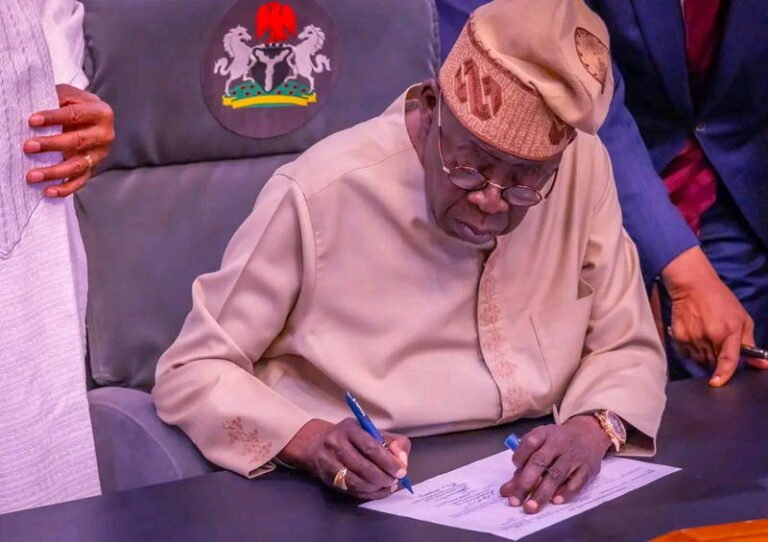
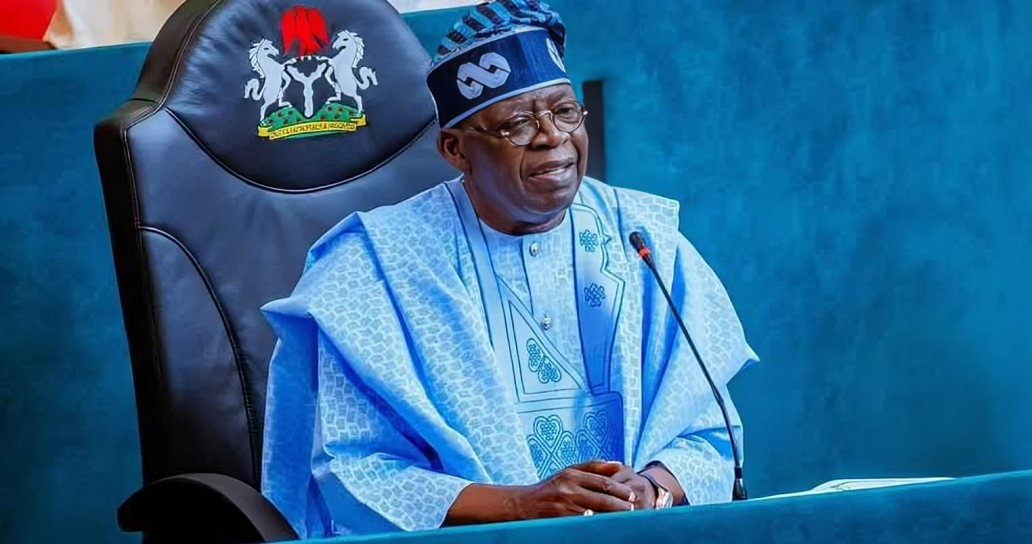
President Bola Tinubu has called for stronger collaboration between government and civil society organisations as Nigeria enters what he described as a new phase of development, urging civic groups to play a greater role in accountability, policy engagement and national development.
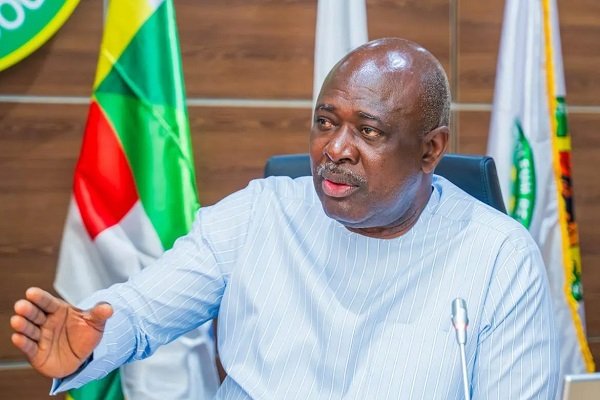
Tinubu made the call at the 2026 Nigeria First National Civil Society Organisations Summit, held at the Bola Ahmed Tinubu International Conference Centre in Abuja, where he was represented by the Secretary to the Government of the Federation, Senator George Akume. The summit focused on strengthening cooperation between government, civil society and other stakeholders around national development.
Tinubu Signals Shift From Reform to Prosperity
At the summit, the President said Nigeria was moving from a period of difficult economic reforms towards an agenda focused on prosperity, social inclusion and stronger public trust.
He acknowledged that the reforms introduced from 2023 had created difficulties for citizens and government institutions. However, he maintained that the administration was now focused on ensuring that the changes translate into broader economic and social benefits.
Tinubu said the next phase of the Renewed Hope Agenda would prioritise rebuilding public trust, strengthening institutional accountability and ensuring that economic growth produces greater social inclusion.
The President’s message places civil society at the centre of that transition because government alone cannot address every aspect of national development.
Government and Civil Society to Work More Closely
One of the major announcements from the summit was the establishment of a Quarterly Government Civil Society Policy Dialogue Forum.
Tinubu directed the Secretary to the Government of the Federation to establish the forum as a structured platform for evidence based advocacy and regular engagement between government and civil society organisations.
The proposed dialogue is intended to ensure that community concerns and grassroots perspectives feed into government policy formulation, implementation and evaluation.
Consequently, the initiative could create a more regular channel through which CSOs can present evidence, identify emerging challenges and engage government institutions on policy outcomes.
Rather than relying solely on occasional meetings, quarterly engagement would provide a continuing mechanism for dialogue.
CSOs Asked to Strengthen Accountability
Tinubu also urged civil society organisations to expand their role in public accountability.
The government plans to work with accredited CSOs on public finance transparency, budget tracking and the monitoring of humanitarian and grassroots interventions.
This could give civil society organisations a stronger role in examining how public programmes are implemented and whether intended beneficiaries receive the expected support.
Moreover, CSOs often operate close to communities, giving them access to information that may not always be immediately visible at the national level.
That grassroots perspective can help identify implementation challenges and provide government with additional information when assessing the effectiveness of its programmes.
Election Monitoring Becomes a Major Responsibility
With the 2027 general elections approaching, Tinubu also called on civil society organisations to contribute to the credibility of the electoral process.
He urged CSOs to strengthen voter education, election monitoring and advocacy for electoral reforms while working with relevant institutions.
The President said credible elections would require cooperation among civil society, the Independent National Electoral Commission, security agencies, the judiciary, the media and citizens.
For civil society groups, this creates a broad field of responsibility, from educating voters about their rights and responsibilities to observing electoral processes and documenting issues that may require attention.
At the same time, their participation remains distinct from the formal responsibilities of electoral and state institutions.
Protecting Civic Space
Tinubu also reaffirmed the administration’s commitment to freedom of expression, association, peaceful assembly and press freedom.
These freedoms provide the foundation for civil society organisations to operate, advocate for policy changes and hold public institutions accountable.
However, the President also called on CSOs to strengthen ethical standards within the sector.
He urged civil society organisations to develop a code of conduct that would promote professionalism, integrity and accountability.
The message therefore combined a call for greater civic participation with an expectation that civil society groups would maintain credibility in carrying out their responsibilities.
Civil Society as a National Development Partner
Tinubu described civil society as an important partner in national development, pointing to its historical contributions to democracy, human rights, social justice, anti corruption efforts and poverty reduction.
He also referenced Nigeria’s participation in initiatives focused on transparency, open government and extractive sector accountability as examples of government civil society cooperation.
These partnerships demonstrate how civic organisations can contribute to governance without becoming substitutes for government institutions.
Instead, they can provide independent perspectives, community information and oversight while government retains responsibility for policy decisions and implementation.
Four Areas of Common Focus
The President reaffirmed four broad areas around which government and civil society should strengthen cooperation: food security, poverty reduction through jobs and enterprise, improved governance, and human capital development.
These areas connect economic development with social outcomes.
Food security, for example, requires not only agricultural production but also access to markets, infrastructure, finance and technology.
Similarly, reducing poverty requires opportunities for people to earn sustainable incomes, while human capital development depends on education, healthcare and skills.
Consequently, cooperation between government and civil society could provide additional channels for identifying problems and monitoring interventions across these areas.
Grassroots Information Can Improve Policy
Civil society leaders at the summit also emphasised the importance of grassroots information.
National Convener of the summit, Ambassador Kunle Yusuff, said CSOs possess extensive community level information that could help government identify emerging problems and design more responsive interventions.
He called for stronger mechanisms through which grassroots intelligence and early warning information could reach policymakers.
This approach could make policy development more responsive because decisions would be informed not only by national statistics but also by information gathered directly from communities.
Private Sector Adds Another Dimension
The summit also highlighted the role of the private sector in national development.
Civil society organisations can provide community level information and advocacy, government can provide policy direction and implementation, while businesses can contribute investment, technical expertise and resources.
Such a model creates a broader partnership around national development rather than placing the responsibility entirely on government.
Moreover, aligning private sector social investment with identified national priorities could potentially reduce duplication and direct resources towards areas with clear community needs.
From Dialogue to Practical Results
The central challenge now will be turning the commitments announced at the summit into sustained action.
The proposed quarterly dialogue forum provides a structure for continued engagement, but its effectiveness will depend on the quality of participation, the evidence presented and the extent to which recommendations influence government decisions.
For civil society organisations, the opportunity also comes with responsibility. Greater access to policymakers creates room for stronger advocacy, but credibility will depend on evidence, independence and accountability.
Ultimately, Tinubu’s message at the summit reflects an effort to establish a more structured relationship between government and civil society.
As Nigeria moves from economic reform towards the administration’s stated prosperity agenda, the effectiveness of that relationship will depend on whether dialogue produces better accountability, more responsive policies and stronger connections between government decisions and the everyday realities of citizens.
About The Author