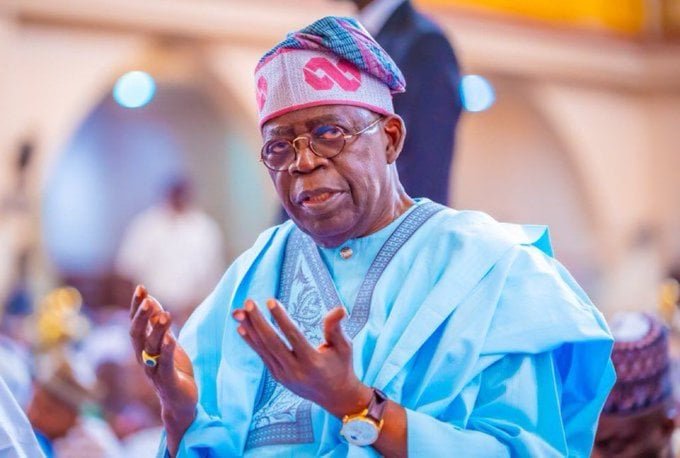
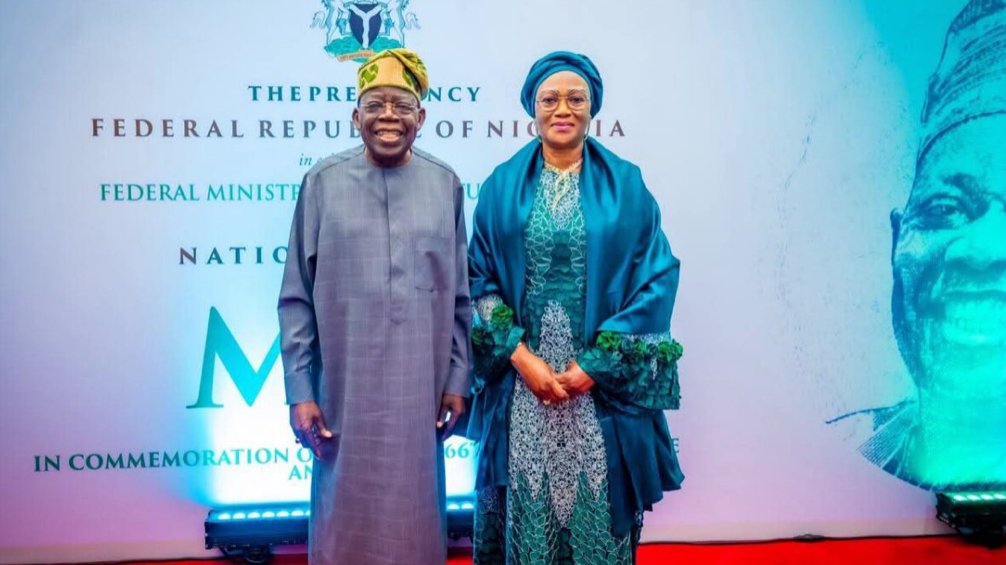
President Bola Ahmed Tinubu and First Lady Oluremi Tinubu attended the national premiere of MKO, a documentary chronicling the life, political struggle and legacy of the late businessman and politician, Chief Moshood Kashimawo Olawale Abiola.
The premiere took place in Lagos as part of activities marking Nigeria’s 66th Independence Day anniversary. Tinubu served as the Chief Host of the event, which brought together senior government officials, political figures, cultural personalities and individuals connected to Nigeria’s democratic history.
Tinubu and Oluremi Attend National Premiere
Tinubu arrived at the venue alongside his wife, Oluremi Tinubu, as dignitaries gathered for the screening of the feature length documentary.
Among those who attended were Senate President Godswill Akpabio, Speaker of the House of Representatives Tajudeen Abbas, Lagos State Governor Babajide Sanwo-Olu, Ogun State Governor Dapo Abiodun and Kwara State Governor AbdulRahman AbdulRazaq.
Other notable attendees included Deputy Senate President Jibrin Barau, Deputy Speaker Benjamin Kalu, Chief of Staff to the President Femi Gbajabiamila, Minister of Art, Culture, Tourism and the Creative Economy Hannatu Musawa and former Ogun State Governor Segun Osoba.
The gathering brought together political leaders and members of Nigeria’s creative community for an evening centred on one of the country’s most significant political figures.
Documentary Revisits Abiola’s Political Journey
Directed and produced by Nigerian-American filmmaker Ose Oyamendan, MKO examines Abiola’s rise as a businessman, publisher and politician before focusing on one of the most important chapters in Nigeria’s political history.
The documentary revisits the June 12, 1993 presidential election, its annulment by the military government and the pro-democracy struggle that followed.
It also examines Abiola’s subsequent detention and his death in custody in 1998.
Through archival materials and interviews with people connected to the period, the documentary presents different aspects of Abiola’s political journey while examining the events surrounding the struggle for the restoration of democratic rule.
June 12 Struggle Takes Centre Stage
The June 12 election occupies a central position in the documentary.
The election was annulled by the military government, triggering widespread political tension and a prolonged campaign by pro-democracy activists and other Nigerians demanding the restoration of democratic governance.
The period also witnessed arrests, persecution, exile and other forms of repression against individuals involved in the struggle.
At the premiere, attention was therefore drawn not only to Abiola but also to the wider group of Nigerians who participated in the movement.
A minute’s silence was observed in remembrance of Nigerians who died or suffered persecution, detention, exile and other forms of repression during the struggle.
Tinubu’s Connection to the Story
Tinubu’s attendance also has a historical connection to the events examined in the documentary.
The President participated in the pro-democracy movement during the period following the annulment of the June 12 election and is featured in the documentary.
The filmmaker has also spoken about Tinubu’s involvement in the struggle while discussing the significance of having the President serve as Chief Host of the national premiere.
Oyamendan also has a personal connection to the period, having worked as a journalist with Weekend Concord, a newspaper founded by Abiola.
Prominent Figures Feature in the Documentary
MKO brings together archival footage and accounts from several prominent figures associated with Nigeria’s political history.
Those featured include former military leaders Ibrahim Babangida and Abdulsalami Abubakar, former President Olusegun Obasanjo, Nobel laureate Wole Soyinka and Baba Gana Kingibe, who was Abiola’s running mate in the 1993 presidential election.
Former United States Ambassador to Nigeria Walter Carrington, former United States Deputy Secretary of State Thomas Pickering, former Canadian High Commissioner Gerald Ohlsen and members of the Abiola family also contributed to the documentary.
Their accounts provide additional perspectives on the political circumstances surrounding the June 12 election and the events that followed.
Why the Documentary Matters
The premiere provided an opportunity to revisit a significant chapter of Nigeria’s political history at a time when the country was celebrating its 66th Independence Day.
For younger Nigerians who did not experience the events surrounding June 12 firsthand, the documentary offers archival materials and personal accounts through which the period can be examined.
The film therefore goes beyond Abiola’s personal story by exploring the broader democratic movement that emerged around the annulled election.
It also highlights the contributions and sacrifices of individuals who participated in the struggle for democratic rule.
Nationwide Cinema Release
Following its national premiere in Lagos, MKO is scheduled for commercial cinema release across Nigeria.
The documentary previously had its international premiere at the Sheffield International Documentary Festival in the United Kingdom on June 12, 2026.
Its Nigerian release gives audiences across the country an opportunity to engage with the story of Abiola, the June 12 election and the political struggle that followed its annulment.
A Moment of Historical Reflection
The national premiere brought together Nigeria’s political leadership and members of the creative and cultural communities to revisit events that significantly shaped the country’s democratic history.
As MKO moves into cinemas, the documentary places the life of Moshood Abiola, the June 12 election and the pro-democracy struggle before a new generation of Nigerians.
The October 1 premiere also connected Abiola’s story with Nigeria’s Independence Day, creating an opportunity to reflect on the country’s journey from independence to the democratic system it operates today.
About The Author