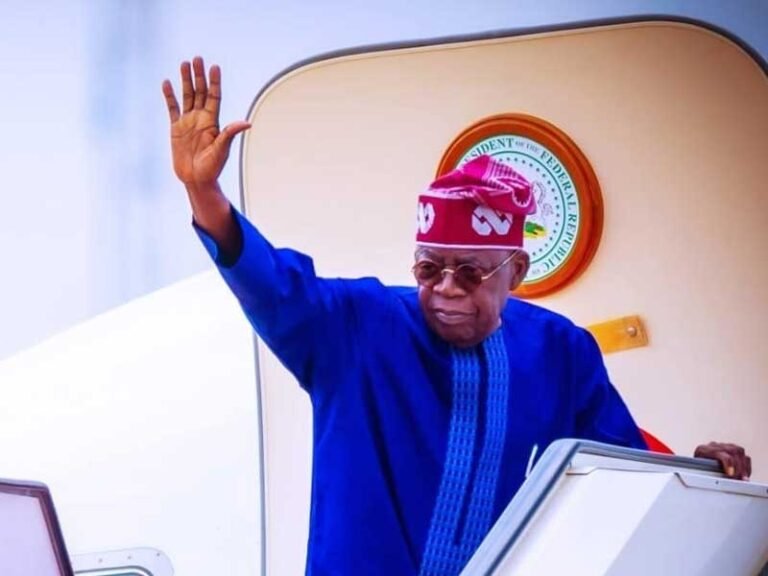
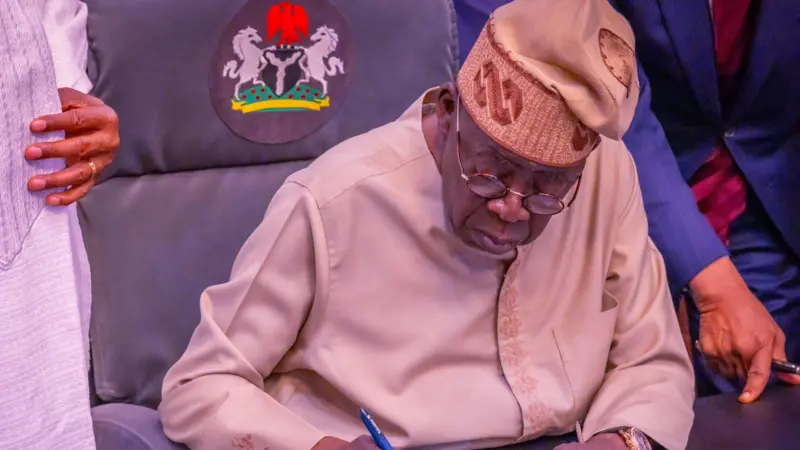
President Bola Ahmed Tinubu has formally written to the Nigerian Senate, seeking approval to secure a fresh external loan of $516,333,070.
This request represents a significant step within the administration’s broader economic strategy. It highlights the government’s determination to mobilise resources needed to sustain reforms and accelerate national development across Nigeria.
At a time when funding gaps continue to challenge large-scale projects, the move signals a proactive approach to financing critical priorities.
Targeting Key Development Sectors
Although detailed allocations are expected to emerge during legislative review, such loans typically focus on high-impact sectors.
These include infrastructure development, energy expansion, transportation systems, and social investments.
President Bola Ahmed Tinubu has consistently emphasized the need to invest in areas that unlock economic growth.
Therefore, the proposed borrowing is likely designed to support projects that deliver long-term value.
When properly executed, investments in these sectors can stimulate productivity, improve service delivery, and strengthen national competitiveness.
The Role of Legislative Oversight
The approval process now rests with the Nigerian Senate.
This step remains essential within Nigeria’s democratic framework.
Lawmakers are expected to carefully examine the proposal, focusing on the loan’s terms, repayment structure, and intended use.
Such scrutiny ensures that borrowing aligns with national interest.
It also promotes transparency and accountability, which are critical in managing public finances.
Through this process, the Senate provides a necessary check that strengthens governance and fiscal discipline.
Balancing Opportunity with Responsibility
Borrowing always presents both opportunities and risks.
On one hand, it provides immediate capital to fund essential projects.
On the other, it increases the nation’s debt obligations.
President Bola Ahmed Tinubu’s request reflects this delicate balance.
If the funds are channelled into productive investments, they can generate economic returns that outweigh the cost of borrowing.
However, inefficient utilisation could place additional pressure on public finances.
Therefore, effective management becomes crucial.
Clear implementation plans, strict monitoring, and measurable outcomes will determine success.
Potential Economic Impact
The proposed loan could play a meaningful role in shaping economic outcomes in Nigeria.
Strategic investments can stimulate job creation, enhance infrastructure, and improve living standards.
For instance, improved roads and energy systems can boost business activity.
Similarly, social investments can strengthen human capital.
As these benefits accumulate, they contribute to broader economic stability.
However, achieving these outcomes requires disciplined execution and consistent oversight.
Strengthening Investor Confidence
Another important dimension lies in investor perception.
Government borrowing, when managed transparently, can signal commitment to development.
It shows that the administration is willing to take calculated steps to drive growth.
President Bola Ahmed Tinubu’s engagement with the Nigerian Senate reflects adherence to due process.
This approach strengthens institutional credibility.
In turn, it can attract additional investment from both domestic and international stakeholders.
The Road Ahead
As the Nigerian Senate deliberates, expectations will remain high.
Stakeholders will look for clarity, transparency, and strategic alignment.
The administration will need to demonstrate how the loan fits into a coherent economic plan.
Moreover, communication will be key.
Clear explanations of project goals and expected outcomes can build public trust.
Conclusion: A Defining Financial Decision
President Bola Ahmed Tinubu’s request for a $516 million loan represents more than a financial transaction.
It reflects a broader effort to navigate economic challenges while pursuing development goals.
If approved and effectively managed, the loan could unlock new opportunities for growth and transformation.
Ultimately, the decision by the Nigerian Senate will shape both immediate progress and long-term fiscal stability in Nigeria.
The moment calls for careful evaluation, strategic thinking, and a commitment to delivering tangible results for the nation.
About The Author