
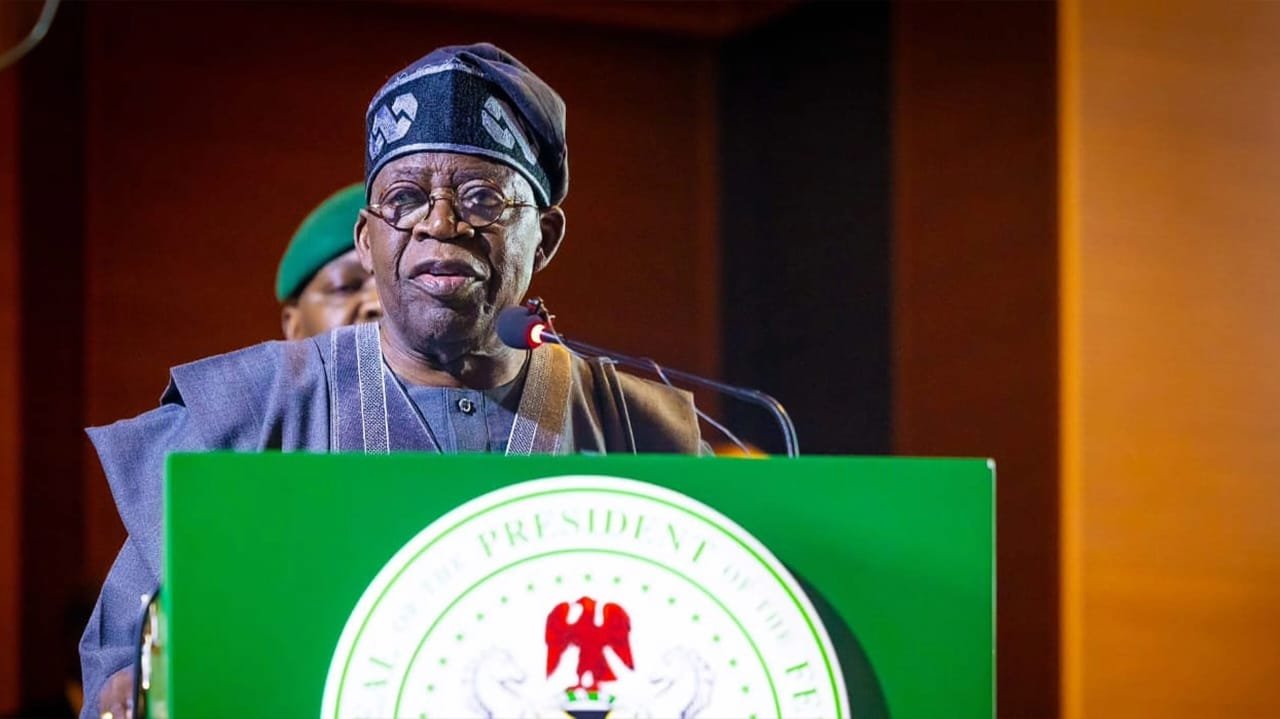
President Bola Ahmed Tinubu is expected to receive a comprehensive report on the proposed creation of state police as consultations on the constitutional framework for its establishment approach completion.
The disclosure was made by the Chief of Staff to the President, Femi Gbajabiamila, who indicated that discussions among stakeholders have made significant progress and are nearing a decisive stage.
The development marks another important step in ongoing efforts to reform Nigeria’s security architecture and strengthen the capacity of law enforcement institutions to address security challenges across the country.
Growing Momentum for State Police
The conversation around state policing has gained considerable momentum in recent years as stakeholders seek innovative approaches to improving security and enhancing community-based policing.
Supporters of the proposal argue that state police structures could improve intelligence gathering, increase responsiveness to local security concerns and strengthen collaboration between communities and law enforcement agencies.
Furthermore, advocates believe that decentralizing certain aspects of policing could help address security challenges more effectively by leveraging local knowledge and resources.
As a result, the issue has remained a prominent subject of national debate and constitutional consideration.
Constitutional Framework Under Review
According to Gbajabiamila, extensive consultations have focused on developing an appropriate constitutional framework that would guide the establishment, operations and oversight of state police institutions.
The objective is to ensure that any proposed system aligns with democratic principles, safeguards fundamental rights and promotes accountability.
Additionally, stakeholders have examined issues relating to jurisdiction, operational coordination, funding mechanisms and institutional safeguards designed to prevent abuse.
These considerations are regarded as critical to ensuring the effectiveness and sustainability of any future state policing arrangement.
Strengthening National Security
Security remains one of the most important priorities of the Federal Government.
Consequently, policymakers continue to explore reforms that can enhance the country’s capacity to respond to emerging threats and maintain public safety.
Proponents of state police argue that a more localized policing structure could complement existing federal security institutions and improve overall security outcomes.
Moreover, stronger collaboration between national and subnational security structures may contribute to more efficient crime prevention and law enforcement efforts.
Stakeholder Engagement Remains Key
The process has involved consultations with government officials, lawmakers, traditional leaders, security experts and other stakeholders.
This broad engagement reflects the significance of the proposal and the need to build consensus on a matter that could reshape the country’s security landscape.
Gbajabiamila emphasized the importance of inclusive dialogue in ensuring that all perspectives are considered before final recommendations are submitted to the President.
Such consultations are expected to contribute to a more balanced and widely accepted framework.
Expectations Ahead of the Report
With consultations nearing completion, attention is increasingly turning to the recommendations that will be presented to President Tinubu.
The report is expected to provide detailed guidance on constitutional amendments, implementation strategies and institutional arrangements required for the establishment of state police.
Observers believe the recommendations could influence future legislative discussions and shape the direction of security sector reforms in Nigeria.
Furthermore, the outcome may provide a foundation for broader conversations about governance, federalism and public safety.
Looking Ahead
The anticipated submission of the report on state police represents a significant milestone in Nigeria’s ongoing efforts to strengthen security and improve law enforcement effectiveness.
As President Tinubu prepares to receive the recommendations, stakeholders across the country will be watching closely to see how the proposal evolves and what steps may follow.
Ultimately, the discussions underscore the growing commitment to finding sustainable solutions to security challenges while ensuring that any reforms remain consistent with constitutional principles, democratic values and national unity.
About The Author